Why Better Water Quality Can Make a Bigger Difference at Home
Water is easy to take for granted. It comes out of the tap whenever we need it, so most of us don’t stop to wonder about its quality until something seems off. Maybe the water has a noticeable smell. Perhaps your glasses are covered in spots after washing, or your hair doesn’t feel quite the same after a shower. These little signs can be annoying, but they may also point to a larger water-quality issue.
For families, water quality matters because water touches almost every part of daily life. It’s in the morning coffee, the cooking pot, the shower, the washing machine and, of course, the glass beside your dinner plate. Improving the quality of household water isn’t about chasing perfection. It’s about making everyday living a little easier and more comfortable.
When Your Water Doesn’t Taste Quite Right
Taste is often the first thing people notice. Water can sometimes have a chlorine-like flavor, a metallic note, or an unusual smell that makes you reach for bottled water instead.
This is where Water Taste & Odor becomes an important consideration when looking at filtration. Different filtration technologies are designed to address different concerns, so it’s useful to understand what’s causing the problem before choosing a system. Activated carbon, for example, is commonly used in filtration systems aimed at improving taste and reducing certain odors.
A simple water test can help identify what you’re dealing with. There’s no need to guess when you can get useful information about your water supply first.
Your Shower Water Matters Too
Most people think about drinking water when they hear the phrase “water quality.” Fair enough. But consider how much water your skin and hair come into contact with every week.
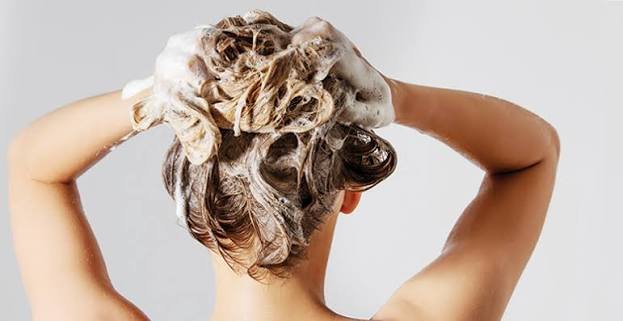
Hard water contains minerals such as calcium and magnesium. These minerals can interact with soap and shampoo, sometimes leaving behind residue. If the water is particularly hard, you may feel like you need more shampoo just to get your hair clean.
Over time, some people notice Dry, Damaged Hair & Skin and wonder whether their shampoo, conditioner, or skincare routine is responsible. Water quality can be one factor worth considering, especially when the problem seems to appear alongside other signs of hard water.
That doesn’t mean water treatment will magically solve every skin or hair concern. Skin and hair are influenced by plenty of things, including weather, products, bathing habits, and personal sensitivity. Still, the water coming from your shower is part of the picture.
The Hidden Frustration of Hard Water
Hard water isn’t usually dramatic. It doesn’t announce itself. Instead, it leaves little clues around the house.
You might see cloudy spots on shower glass, white deposits around faucets, or residue inside appliances. Soap scum can become more noticeable, and laundry may not feel as soft as you’d like.
This gradual Hard Water Build-Up can become particularly frustrating because cleaning it once doesn’t necessarily stop it from returning. Mineral deposits can accumulate again whenever hard water continues flowing through the home.
Water heaters and other appliances that regularly heat water can also be affected by mineral scale. Over time, buildup may reduce efficiency and contribute to additional maintenance needs. That’s one reason homeowners with hard water often look into treatment options rather than simply cleaning deposits over and over again.
Finding Out What Your Home Actually Needs
It’s tempting to search online, see a highly rated filtration system and assume it will solve everything. But water treatment doesn’t really work that way.
The right solution depends on the source and condition of your water. A household dealing mainly with hard water may need a different approach from one dealing with sediment or unpleasant taste. Some homes may benefit from filtration, while others may need softening or conditioning.
Start with a water test if you’re unsure. Once you know what’s present, you can compare treatment options based on actual needs instead of marketing claims.
It also helps to think about where the problem occurs. If the concern is limited to drinking water, a point-of-use filter might make sense. If several fixtures around the house are affected, a whole-house approach may be more practical.
Don’t Forget About Maintenance
A water treatment system is not something you install and completely forget about. Filters eventually need replacing, tanks may need inspection, and equipment should be checked for leaks or unusual performance.
Maintenance doesn’t have to be complicated, though. Keep track of filter replacement dates, follow the manufacturer’s recommendations, and pay attention to changes in taste, water pressure, or appearance.
Small maintenance tasks can prevent bigger headaches later. It’s a bit like changing the oil in your car. You don’t necessarily notice the benefit every morning, but keeping up with it can save trouble down the road.
Better Water Starts With Better Information
There isn’t a universal solution for every household. The best water treatment setup is the one that addresses your home’s actual water conditions without adding unnecessary complexity.
If your water tastes strange, leaves mineral marks, or seems harsh on your hair and skin, don’t simply put up with it. Find out what’s causing the issue. A proper test, followed by the right filtration or conditioning approach, can make a meaningful difference.
At the end of the day, better water isn’t about having the fanciest equipment in the neighborhood. It’s about opening the tap and feeling confident about what comes out. Sometimes, that quiet peace of mind is one of the best improvements you can make at home.