What Every Homeowner Should Know About Modern Plumbing Systems
There are some things in a house you rarely think about until they stop working. Your plumbing is probably near the top of that list. Water appears when you turn on a tap, disappears when you pull a plug, and hot water is ready when you need a shower. It all feels almost automatic.
But behind those simple moments is a network of pipes, valves, fixtures, drains, and safety components working together. Understanding a little about that system can help homeowners make better decisions, avoid unnecessary repairs, and know when a professional should step in.
Start With the Basics
A residential plumbing system has two main jobs: bringing clean water into the property and carrying wastewater away safely. It sounds straightforward, but the system itself can be surprisingly complicated.
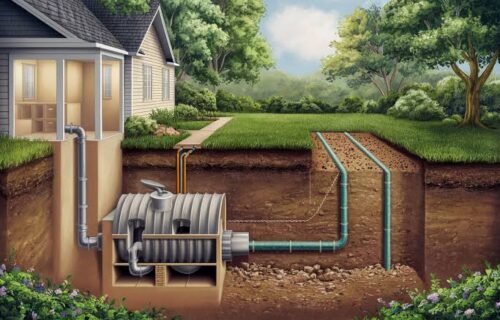
Supply pipes deliver water to sinks, showers, toilets, appliances, and other fixtures. Drain pipes carry used water away, while vents help maintain proper air pressure so wastewater can flow efficiently.
When everything works properly, you probably don’t notice any of it. That’s exactly how it should be. Problems tend to make themselves known through slow drains, unusual noises, unpleasant smells, low water pressure, or unexpected moisture.
Tank vs. Tankless Water Heating
One of the more common decisions homeowners face is choosing between tank vs. tankless water heaters. Neither option is automatically right for every household.
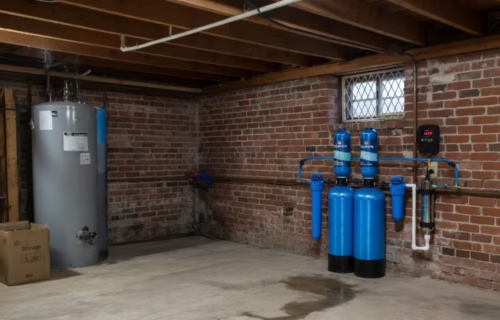
Traditional tank heaters store and continuously heat a supply of water. They’re familiar, widely available, and generally straightforward to install. Tankless systems heat water as it’s needed, which can reduce standby energy loss and provide hot water without relying on a large storage tank.
There are trade-offs, though. Tankless units can have higher upfront costs and may require specific installation considerations. Tank systems, meanwhile, take up more space and can eventually suffer from corrosion or sediment buildup.
The best choice depends on household size, hot-water usage, available space, budget, and the existing setup. A qualified professional can help compare the options instead of simply recommending whichever system they happen to install most often.
Why Backflow Protection Matters
Clean drinking water needs to remain separated from contaminated water. That’s where backflow devices become important.
Backflow can happen when changes in water pressure cause water to move in the wrong direction through a plumbing system. In certain situations, contaminated water could potentially enter the clean water supply.
Backflow prevention equipment helps reduce that risk. Depending on the property and local requirements, different types of prevention assemblies may be used.
Homeowners don’t necessarily need to understand every technical detail, but they should know that these devices aren’t decorative extras. They’re part of protecting water quality and public health. If a backflow prevention device is installed on your property, regular inspection or testing may also be required depending on local regulations.
Don’t Ignore Small Leaks
A dripping faucet can seem like a minor annoyance. A little water here and there, right?
Well, yes and no.
A small leak can waste water over time, but the bigger concern is what you can’t see. A leak beneath a sink, behind a wall, or near an appliance can slowly damage cabinets, flooring, drywall, and insulation.
Look for damp spots, discoloration, peeling paint, musty smells, or unexplained increases in your water bill. These clues don’t always mean there’s a major leak, but they’re worth investigating.
Catching a problem early is usually much easier than dealing with the aftermath of months of hidden moisture.
Know Your Service Provider Before You Need One
When something goes wrong, searching for a plumber while water is spreading across the floor isn’t the best way to choose a professional.
It’s smarter to research local companies ahead of time. Look at reviews, licensing information, experience, warranties, and the types of services offered. Ask whether estimates are provided before major work begins and whether emergency assistance is available.
It’s also useful to check their service areas before an emergency happens. A company may advertise itself as local but have limited coverage outside certain communities. Knowing that detail beforehand can save valuable time when you actually need help.
Maintenance Doesn’t Have to Be Complicated
You don’t need to spend every weekend inspecting pipes. A few simple habits can go a long way.
Check under sinks occasionally. Don’t pour grease down kitchen drains. Pay attention to toilets that run continuously. Clean appropriate drain screens and avoid flushing items that aren’t designed for sewer systems.
If your home has an older water heater, ask a professional whether maintenance is appropriate. The same applies to aging pipes, pressure regulators, shut-off valves, and other components.
And if you’re planning a renovation, involve a plumbing professional early. Moving a sink or adding a bathroom may sound simple on paper, but the existing pipe layout can make the project considerably more complicated.
When DIY Makes Sense — and When It Doesn’t
There are a few jobs homeowners can reasonably handle themselves, such as replacing a showerhead or tightening a loose connection, provided they understand what they’re doing.
But plumbing isn’t always forgiving. Incorrect repairs can create leaks, water damage, pressure problems, or code issues.
If water is actively leaking, sewage is backing up, a pipe has burst, or you’re dealing with a complicated installation, calling a qualified professional is usually the sensible move. Saving a little money on a repair isn’t worth creating a much larger problem.
A Little Knowledge Goes a Long Way
You don’t need to become an expert to take better care of your home’s plumbing. You simply need to pay attention.
Notice changes. Deal with leaks early. Understand your water-heating options. Keep important shut-off valves accessible. And know who to call before a minor problem turns into a middle-of-the-night emergency.
Good plumbing is easy to overlook because it works quietly in the background. But when you understand what keeps it running smoothly, you’re better prepared to protect your home, your budget, and the comfort of everyone living in it.