Clean Water at Home: Choosing the Right Solution for Your Family
There’s something easy to overlook about the water flowing from your kitchen tap. It looks clear, feels normal, and most of the time, we simply trust it. But water can carry minerals, sediment, chlorine, unpleasant odors, and other impurities that affect everything from its taste to the condition of your plumbing.
That’s why improving your home’s water quality isn’t just about drinking better-tasting water. It can also be about protecting appliances, making cleaning easier, and creating a more comfortable home. The right treatment system depends on what’s actually in your water, so understanding the options is a good place to start.
Why Household Water Quality Matters
Water quality can vary dramatically from one home to another. Municipal water supplies may contain disinfectants such as chlorine, while private wells can have naturally occurring minerals, sediment, or other contaminants. Even two houses in the same neighborhood can experience different water issues because of plumbing, pipes, or local conditions.
You might notice a strange taste in your coffee, white spots on faucets, dry-feeling skin after a shower, or a buildup inside your kettle. These little signs can be easy to dismiss. Over time, though, they may point toward a water-quality problem worth investigating.
The first step is simple: test your water. Guessing what your water needs can lead to buying equipment that solves the wrong problem.
Understanding Hard Water
Hard water is one of the most common household water issues. It typically contains elevated levels of minerals such as calcium and magnesium. While hard water isn’t necessarily a sign that your water is unsafe, it can be frustrating to live with.
Soap may not lather as easily. Glassware can develop cloudy spots. Faucets may collect chalky deposits, and heating appliances can develop mineral scale. Your water heater, dishwasher, and washing machine may also work harder when scale builds up.
This is where water softeners can make a noticeable difference. These systems are designed primarily to reduce hardness minerals, helping minimize scale and making everyday cleaning and bathing feel a little easier.
What a Water Softener Actually Does
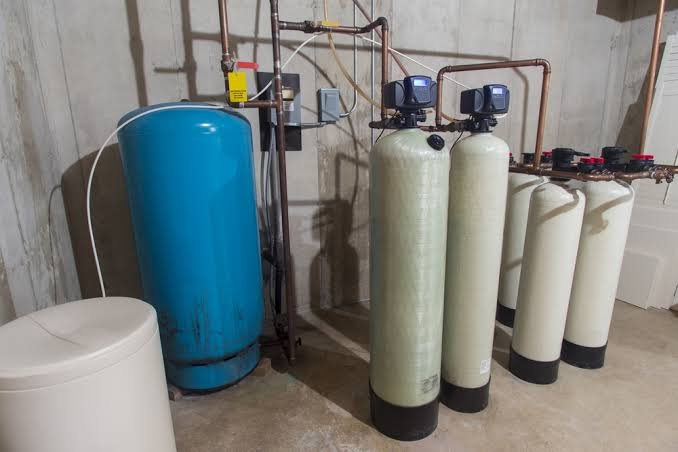
A traditional water softener generally uses a process called ion exchange. In simple terms, it exchanges hardness minerals for other ions, reducing the calcium and magnesium responsible for much of the scale associated with hard water.
The difference can be surprisingly noticeable. People often find that soap rinses more easily, dishes look cleaner, and those stubborn white deposits around sinks become less of a headache.
Still, a softener isn’t a universal answer to every water problem. It is mainly intended for hardness. If your water contains sediment, chlorine, certain metals, or other contaminants, you’ll need a treatment approach designed for those specific concerns.
When Whole-Home Filtration Makes More Sense
Sometimes the issue isn’t hardness at all. Maybe your water has an unpleasant chlorine smell, a metallic taste, or visible particles. In these situations, filtration may be a better fit.
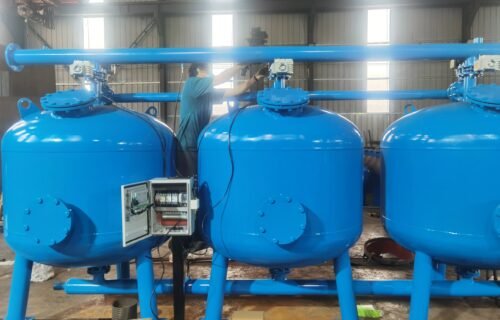
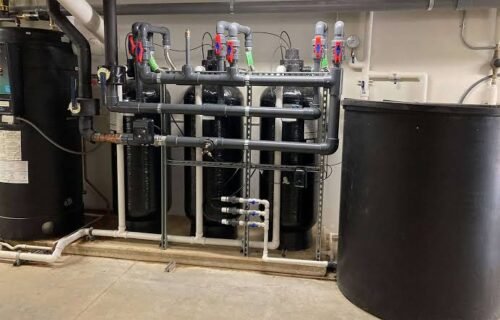
Modern whole-home water filtration units are designed to treat water as it enters the property, rather than filtering only the water coming from one faucet. That means treated water can be available throughout the house, including in showers, bathroom sinks, laundry areas, and kitchens.
Depending on the system, filtration can target different substances. Activated carbon, sediment filters, specialty media, and other technologies are used for different water-quality goals. Again, testing matters. A filter should be selected based on the actual characteristics of your water rather than a one-size-fits-all promise.
Softener vs. Filtration: They Aren’t the Same Thing
This is where homeowners sometimes get confused. A water softener and a whole-home filter can work alongside each other, but they perform different jobs.
A softener focuses mainly on hardness minerals. A filtration system focuses on reducing specific impurities or improving taste, odor, and clarity, depending on its design.
In some homes, one system may be enough. In others, combining treatment methods can provide more complete results. For example, a household with very hard water and noticeable chlorine taste might benefit from both softening and filtration.
The goal isn’t to install the most complicated setup possible. It’s to install the setup that actually solves your water problems.
Don’t Forget About Maintenance
Water treatment equipment isn’t completely hands-off. Filters eventually need replacement, softeners may require salt or other maintenance, and every system benefits from periodic inspection.
Skipping maintenance can reduce performance and, in some cases, create avoidable problems. A filter that’s overdue for replacement isn’t doing you much good.
If you’re unsure about maintenance intervals, follow the manufacturer’s recommendations and keep a simple reminder on your calendar. It takes only a minute to set up and can save you from realizing six months later that you’ve forgotten everything about your system.
Why Professional Installation Can Be Worth It
Water treatment equipment may look straightforward, but installation involves plumbing connections, flow rates, drainage requirements, and system configuration. An incorrectly installed unit can perform poorly or create leaks.
A qualified water-treatment professional can also help interpret test results and recommend equipment based on the home’s actual needs. That’s particularly useful when you’re dealing with several water-quality concerns at once.
And if a plumbing or treatment problem appears unexpectedly, having a provider that offers 24/7 Emergency Availability can provide some much-needed peace of mind. Water problems have a funny habit of appearing at the least convenient hour.
Choosing the Right System for Your Home
Before spending money on a treatment system, ask a few practical questions. What does the water test show? Is the main concern hardness, taste, odor, sediment, or a specific contaminant? Do you want treatment at one faucet or throughout the house? How much maintenance are you comfortable handling?
Also consider household water usage. A system that’s perfectly adequate for a small family may not be appropriate for a larger household with several bathrooms and high daily demand.
Don’t let flashy claims make the decision for you. Look for clear specifications, realistic performance information, warranty details, and a company that is willing to explain what the equipment does—and just as importantly, what it doesn’t do.
Better Water Starts With Knowing Your Water
There isn’t one perfect water-treatment system for every home. That’s actually good news. It means you can choose a solution based on your home’s real needs rather than paying for technology you don’t need.
Start with a water test, understand the problem, and then compare treatment options. Whether the answer is a softener, filtration system, or a combination of technologies, the best setup is the one that quietly does its job every day.
Clean, comfortable water may not be the most exciting home improvement project. But once you’ve dealt with hard-water stains, odd tastes, or constant scale buildup, you realize pretty quickly that good water quality is one of those everyday luxuries worth getting right.