What Better Water Quality Can Change in Your Everyday Life
Water is one of those everyday essentials that rarely gets much attention when everything is working properly. You turn on the faucet, fill a glass, take a shower, and get on with your day. But when the water tastes odd, leaves mineral stains, or dries out your skin, suddenly it’s hard to ignore.
Good water quality isn’t only about drinking water, either. It affects cooking, cleaning, bathing, laundry, plumbing fixtures, and the appliances that quietly depend on a steady supply of water. The good news is that improving water quality doesn’t always require a complicated setup. The right solution starts with understanding the problem.
Start by Paying Attention to Your Water
Your senses can sometimes give you useful clues. A strange smell, metallic taste, cloudy appearance, or white residue around faucets can all indicate that something deserves a closer look.
Still, appearances don’t tell the whole story. Some substances dissolved in water are impossible to see or taste. That’s why water testing is such a valuable starting point. It can reveal characteristics such as hardness, pH, dissolved solids, and other factors that help determine which treatment method makes sense.
Rather than buying a system because a neighbor recommended it, test first. Their water may be completely different from yours.
Clean Water Is About More Than Appearance
When people talk about clean safe water, they often picture a crystal-clear glass sitting on the kitchen counter. That’s certainly part of it, but water quality goes deeper than appearance.
Water can look perfectly clear and still contain minerals or other substances that you’d prefer to reduce. Conversely, a little cloudiness isn’t necessarily proof that water is dangerous. Context matters.
A good treatment strategy focuses on measurable water conditions rather than assumptions. Once you know what’s present, it’s much easier to decide whether you need filtration, softening, purification, or perhaps no additional treatment at all.
That last point is worth mentioning. Not every water supply needs extensive treatment. Sometimes a simple filter is enough. Spending more money doesn’t automatically mean getting better results.
The Difference Fresh-Tasting Water Makes
Taste may sound like a small issue, but it can change how much water people actually drink. If tap water has a noticeable chlorine taste or an unpleasant odor, some people simply reach for bottled drinks instead.
Improving taste can make water more appealing at home. Many filtration systems use activated carbon to reduce chlorine and certain compounds responsible for unpleasant tastes and odors.
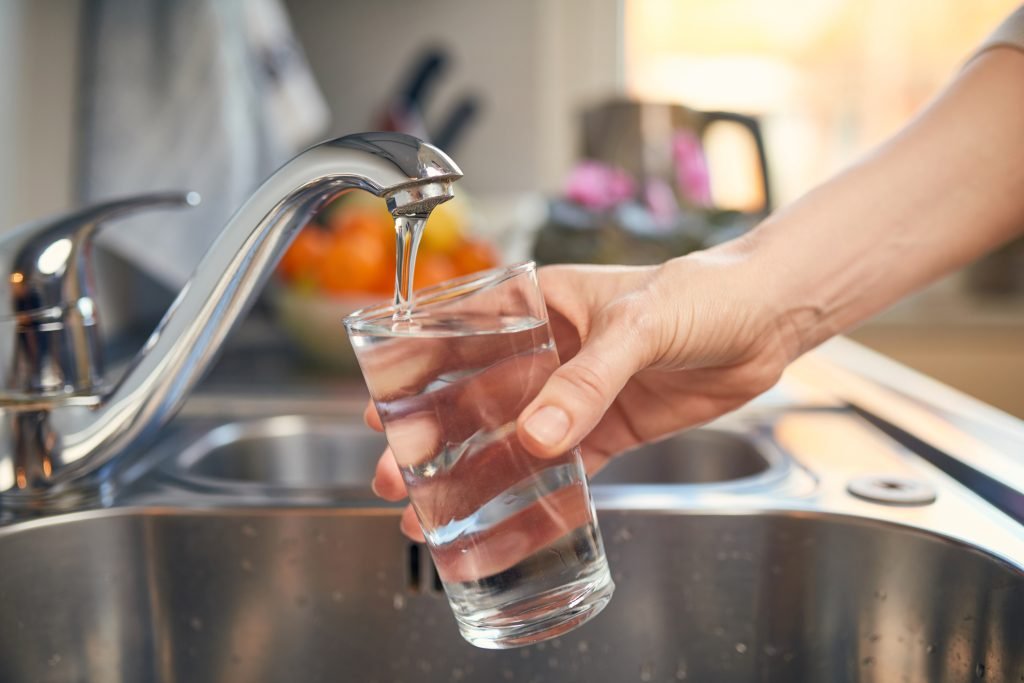
For families, the goal is often straightforward: fresh crisp water that tastes good enough to enjoy throughout the day. There’s something oddly satisfying about filling a glass from the tap and actually wanting to finish it.
Better-tasting water can also make coffee, tea, soups, and other foods more enjoyable because water is an ingredient in all of them, whether we think about it that way or not.
Hard Water Has a Habit of Leaving Evidence
Hard water is another common issue. It contains higher levels of minerals such as calcium and magnesium, which can leave scale on faucets, showerheads, dishes, and appliances.
If you’ve ever cleaned a bathroom only to see white spots return a few days later, hard water might be part of the reason. It can also make soap less effective and contribute to mineral buildup inside water heaters and plumbing components.
A properly selected water softener can reduce the minerals responsible for hardness. That may mean fewer deposits, easier cleaning, and better performance from appliances that use water.
The benefits are mostly practical. You don’t necessarily notice a dramatic change the moment the system is installed. Instead, you notice that the glass shower door stays cleaner, the faucet looks better, and the laundry seems a little easier to manage.
Choosing Filtration Based on the Problem
There is no universal water filter that solves every possible water-quality concern. Different technologies are designed for different jobs.
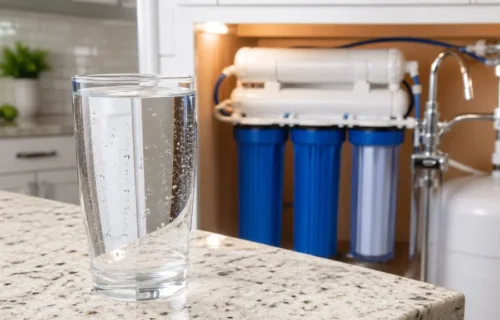
Sediment filters can remove particles such as sand and rust. Activated carbon filtration is often used to improve taste and reduce chlorine. Softening systems address hardness, while reverse osmosis can reduce many dissolved substances.
That’s why choosing equipment based on a water test is important. A treatment professional can help match the technology to the specific conditions instead of simply selling the biggest or most expensive system available.
And don’t overlook flow rate. A filter that works beautifully for one kitchen faucet might struggle if it’s expected to supply an entire home at once.
Think About Your Home’s Plumbing Too
Water treatment can benefit more than just the glass in your hand. Hard-water scale, for example, may gradually accumulate in pipes and water-using appliances.
Water heaters, dishwashers, washing machines, coffee makers, and other equipment can all be affected by mineral buildup. Reducing that buildup may help keep equipment operating efficiently and make routine cleaning less frustrating.
Of course, treatment isn’t a substitute for proper appliance maintenance. Filters need changing, softeners need servicing, and plumbing should still be inspected when problems appear.
A treatment system works best when it’s part of a broader approach to caring for the home.
Maintenance Keeps Good Water Quality Consistent
Even excellent equipment becomes less useful when it’s neglected. Filter cartridges eventually become saturated, membranes need replacement, and mechanical components may require attention.
A simple maintenance schedule can prevent many avoidable problems. Keep track of filter replacement dates, pay attention to changes in water taste or pressure, and follow the manufacturer’s recommendations.
If something suddenly changes, don’t assume the treatment system has failed. A clogged filter, depleted cartridge, or change in incoming water conditions may be responsible.
Small checks are usually much easier—and cheaper—than waiting until something goes seriously wrong.
Better Water Doesn’t Need to Be Complicated
The best water treatment setup isn’t necessarily the one with the most equipment. It’s the one that addresses the actual problem without creating unnecessary expense or maintenance.
Start with testing. Look at how water is used in your home and consider which concerns matter most to you. Maybe it’s hard water. Maybe it’s taste. Maybe you’re worried about sediment or simply want more confidence in the quality of your drinking water.
Once you know what you’re dealing with, the decision becomes much clearer.
At the end of the day, good water treatment is really about making everyday life a little easier. Cleaner fixtures, better-tasting drinks, fewer mineral deposits, and dependable water are not flashy improvements. They’re quiet ones. But those quiet improvements tend to matter every single day, which is exactly why choosing the right water solution is worth the effort.