When Home Repairs Can’t Wait: Keeping Your Cooling, Heating, and Plumbing in Shape
A home has a funny way of telling you when something needs attention. Sometimes it’s obvious, like water spreading across the kitchen floor. Other times, the warning is almost laughably subtle—a strange clicking sound from the air conditioner, a radiator that never seems to get properly warm, or a faucet that has been dripping for three weeks because everyone keeps saying, “I’ll deal with it tomorrow.”
The problem is that small household issues don’t always stay small. Equipment becomes more stressed, leaks can cause damage, and minor faults may eventually turn into expensive repairs. Knowing what to watch for and when to call a professional can save both money and frustration.
Start With the Warning Signs
Home systems rarely fail completely without giving some kind of clue first. An air conditioner might blow warm air, struggle to reach the thermostat setting, or make an unfamiliar noise. Heating equipment may cycle constantly or leave certain rooms noticeably colder.
Plumbing problems have their own signals. Slow drains, low water pressure, unusual smells, damp spots, and unexplained increases in water usage can all deserve a closer look.
It’s tempting to ignore these things when everything is still technically working. After all, why spend money fixing something that hasn’t actually broken? That’s understandable, but postponing maintenance can sometimes turn a relatively simple repair into a much larger project.
Knowing When Your AC Needs Attention
During a hot summer, a dependable cooling system isn’t exactly a luxury. It becomes part of everyday comfort, especially for families with young children, older adults, or people who work from home.
Professional ac repair may be necessary when the system isn’t cooling properly, airflow has become weak, unusual sounds appear, or the unit repeatedly turns on and off. Water around an indoor unit can also indicate a drainage problem that shouldn’t simply be ignored.
Before calling a technician, homeowners can check a few simple things. Make sure the thermostat is set correctly, replace a dirty filter, and confirm that vents aren’t blocked by furniture or curtains. Outdoor units should also have reasonable clearance around them.
If the issue continues, professional diagnosis is usually the better route. An experienced technician can determine whether the problem involves airflow, electrical components, refrigerant, drainage, or another part of the system.
Heating Problems Are Easier to Handle Early
Heating systems tend to get forgotten during warmer months. Then the first genuinely cold morning arrives, and suddenly everyone remembers how important they are.
Problems such as strange noises, inconsistent temperatures, frequent cycling, weak airflow, or unusual odors shouldn’t be brushed aside. In some cases, these symptoms are caused by a relatively simple issue. In others, they may indicate a component that needs replacement.
Professional heating repair can help identify the actual cause instead of treating only the obvious symptom. That’s important because replacing one part without understanding why it failed may simply lead to another problem later.
Homeowners should also pay attention to safety. If a heating system produces unusual burning smells, there are concerns about gas, or a carbon monoxide detector activates, don’t try to diagnose the situation yourself. Leave the area if necessary and seek appropriate professional help.
Plumbing Repairs Often Begin With Small Problems
A dripping faucet might seem harmless. A slow drain can be annoying but manageable. Yet plumbing systems are interconnected, and a small warning sign can sometimes point toward a bigger issue.
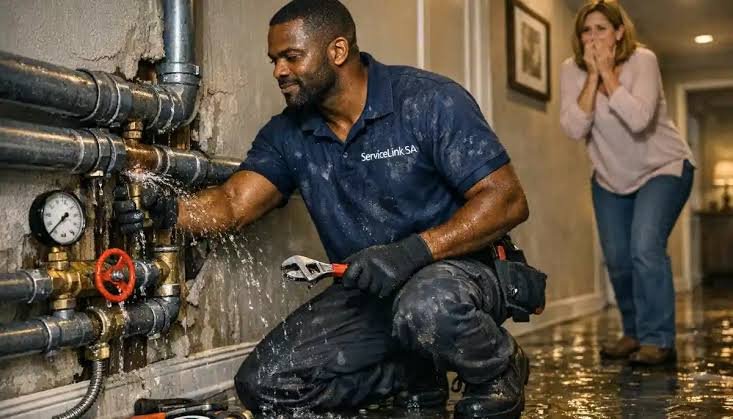
For example, a toilet that constantly runs wastes water, while a small pipe leak hidden behind a cabinet can gradually damage flooring or walls. That’s why timely plumbing repair can be more than a convenience—it can protect the property itself.
Homeowners can handle a few basic tasks, such as replacing a faucet washer or cleaning an accessible drain trap. More complicated issues, including burst pipes, sewer problems, hidden leaks, or major water heater failures, are best left to trained professionals.
Trying to force a repair without the right equipment can make matters worse. A five-minute online tutorial doesn’t necessarily prepare someone for what happens when an old pipe suddenly cracks.
Emergency Repairs Require Quick Thinking
Some household problems simply can’t wait for a convenient appointment.
A major water leak, complete heating failure during extreme cold, or serious electrical problem involving HVAC equipment may require immediate professional attention. In these situations, the priority should be safety and damage prevention.
Knowing where the main water shutoff is located is a surprisingly useful bit of household knowledge. So is knowing how to turn off heating or cooling equipment safely. Every family should also know where important detectors and electrical panels are located.
Of course, not every problem is an emergency. A mildly noisy air conditioner can usually wait for a scheduled inspection. A dripping faucet doesn’t necessarily require someone at midnight. Understanding the difference helps homeowners respond calmly instead of panicking.
Regular Maintenance Can Prevent Expensive Surprises
Repairs are important, but prevention is even better when it’s practical.
Air filters should be checked regularly. HVAC equipment benefits from professional inspections, especially before periods of heavy use. Plumbing fixtures and visible pipes can be checked for signs of leaks. Water heaters shouldn’t be forgotten either.
It can also help to keep a simple maintenance record. Write down when equipment was serviced, what parts were replaced, and any recurring problems. Over several years, this information can reveal patterns and make future decisions easier.
And don’t underestimate cleanliness. Dust around HVAC equipment, blocked vents, and debris near outdoor units can all affect performance.
Choosing the Right Professional
When repairs are necessary, choosing a trustworthy technician matters. Look for professionals who communicate clearly, provide understandable estimates, and explain the work before starting whenever possible.
Experience is important, but so is honesty. A reliable contractor shouldn’t automatically recommend the most expensive replacement. They should explain whether repair, maintenance, or replacement makes the most sense based on the equipment’s condition and expected lifespan.
Reviews can provide useful clues, although they shouldn’t be the only deciding factor. Licensing, warranties, availability, and transparent pricing are worth considering too.
Don’t Wait for a Small Problem to Become a Big One
Home maintenance isn’t particularly glamorous. Nobody wakes up excited about checking filters, inspecting pipes, or scheduling a technician. Still, these ordinary tasks can make everyday life considerably easier.
Pay attention to unusual sounds, smells, leaks, temperature changes, and rising utility bills. Deal with minor problems when they’re manageable, and bring in qualified professionals when the repair goes beyond a simple DIY task.
A well-maintained home doesn’t mean nothing ever breaks. Things wear out. Parts fail. Life happens.
The real goal is to catch problems early, make sensible repairs, and keep essential systems working safely and efficiently. Sometimes, the smartest repair is simply the one you didn’t wait too long to make.