A Practical Guide to Better Water Quality at Home
Water is easy to overlook. We turn on the tap, fill a glass, make coffee, wash vegetables, and get on with the day. Most of us don’t stop to think about what might actually be in that water until something changes—the taste becomes odd, stains appear around the sink, or the shower suddenly feels different.
The good news is that water-quality problems can often be identified and managed. The trick is not to guess. Testing first and choosing treatment based on the results is usually a much smarter approach.
From mineral buildup to unpleasant odors, understanding common water issues can help homeowners make better decisions about their water system and the equipment they use every day.
When Water Looks Clean but Isn’t
One of the confusing things about water quality is that appearance doesn’t tell the whole story. Water can look perfectly clear and still contain dissolved minerals or other substances you may want to reduce.
Private well water, in particular, can vary considerably depending on local geology and groundwater conditions. Even homes in the same neighborhood can have noticeably different water chemistry.
Municipal water is treated before reaching consumers, but water quality can still be affected by aging plumbing, household pipes, or changes within the distribution system.
That’s why a simple visual inspection isn’t enough. If you’re noticing unusual taste, odor, staining, or scale, testing can provide useful clues about what is happening.
Why Iron Can Become a Household Problem
Iron is one of those water-quality issues that’s usually easier to notice than some invisible contaminants. It can cause reddish-orange staining on sinks, toilets, tubs, and laundry. In higher concentrations, it may also create a metallic taste or unpleasant smell.
Iron can enter groundwater naturally as water passes through iron-containing soil and rock. In other situations, plumbing components may contribute to the problem.
The challenge is that not all iron behaves the same way. Some forms are dissolved and invisible when water first comes from the tap but become oxidized when exposed to air, producing the familiar rusty color. Other forms can already be present as particles.
That distinction matters because treatment should match the type and concentration of iron involved. Depending on test results, filtration, oxidation, or specialized iron-removal equipment may be considered.
Testing Before Buying Treatment Equipment
It’s tempting to search online, pick a highly rated filter, and hope it solves the problem. Sometimes it does. But water chemistry isn’t quite that simple.
A filter designed to reduce sediment won’t necessarily solve hardness. A softener isn’t intended to remove every contaminant. And a system designed for iron may not address nitrate or other dissolved substances.
This is where testing earns its keep.
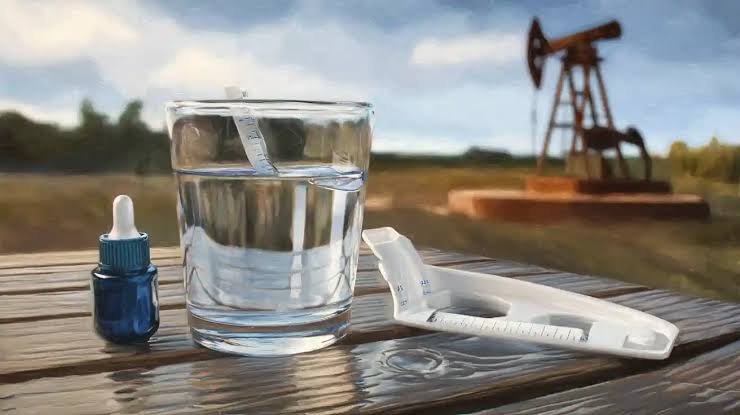
A water test can measure characteristics such as hardness, pH, iron, manganese, turbidity, total dissolved solids, and other parameters depending on the type of analysis. The results give you a starting point for choosing equipment instead of relying on trial and error.
Finding Clean Water Products for Your Home
Once you understand what’s in your water, selecting clean water products for your home becomes much less confusing.
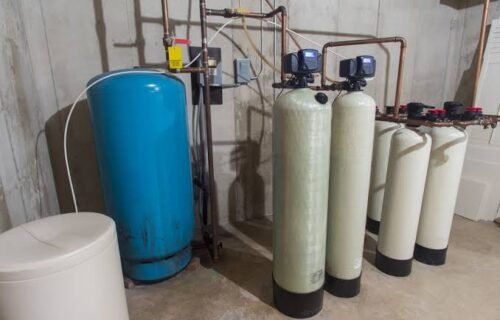
Different problems call for different approaches. A sediment filter might be useful where suspended particles are an issue. Water softeners are commonly used to manage hardness caused by calcium and magnesium. Specialized filtration systems can target particular contaminants.
The important thing is to look beyond flashy product descriptions. Check what the system is actually designed to remove, what concentrations it can handle, how often filters need replacing, and whether the system is appropriate for your water source.
Maintenance matters too. Even a well-designed treatment system can perform poorly when filters are overdue for replacement or equipment isn’t serviced correctly.
Why a Free Water Analysis Can Be Useful
For homeowners who aren’t sure where to start, a free water analysis can be a convenient first step when offered by a reputable water-treatment provider.
It may help identify common issues and give you a clearer idea of whether treatment is worth considering. But it’s important to understand what the analysis actually tests. A basic screening isn’t necessarily equivalent to a certified laboratory test for every possible contaminant.
Ask what parameters are included, how samples are collected, and whether the results are explained clearly. If there’s a serious concern about drinking-water safety, laboratory testing may be the more appropriate route.
In other words, “free” is useful, but understanding the scope of the test is even more important.
Signs Your Water May Need Attention
You don’t need to wait for a dramatic problem before investigating water quality. Sometimes the early signs are surprisingly ordinary.
Look out for:
- Orange, brown, or black stains around fixtures
- White scale on faucets and showerheads
- Unusual taste or odor
- Cloudy water
- Excessive soap scum
- Changes in laundry appearance
- Sediment collecting in fixtures
- A noticeable change after plumbing or well work
None of these signs automatically proves that the water is unsafe. They simply suggest that further investigation may be worthwhile.
Don’t Forget About Your Appliances
Water quality affects more than what’s in your drinking glass. Your appliances interact with household water every single day.
Hard water can contribute to scale inside water heaters, dishwashers, washing machines, and other equipment. Iron can stain laundry and fixtures. Sediment can accumulate in aerators and plumbing components.
Over time, these issues can become frustrating and expensive.
Good water treatment isn’t necessarily about making water “perfect.” In many cases, the goal is simply to reduce a specific issue enough to protect plumbing, improve taste, and make everyday household tasks easier.
A Sensible Approach to Water Treatment
The smartest water-treatment decisions usually begin with information rather than assumptions.
First, identify the water source. Then test for relevant concerns. Once you have reliable results, compare treatment options based on what the water actually needs.
If you’re using well water, regular testing is especially useful because groundwater conditions can change. Testing after flooding, repairs, nearby construction, or noticeable changes in water quality can also be sensible.
And remember, treatment equipment isn’t something you install and forget forever. Filters require replacement, systems need maintenance, and performance should occasionally be checked.
Better Water Starts With Knowing Your Water
There’s no single water-treatment system that’s right for every home. That’s actually a good thing, because every water supply has its own characteristics.
Whether you’re dealing with iron stains, hard water, sediment, or an unexplained change in taste, the same basic principle applies: find out what’s happening before deciding how to fix it.
A little knowledge can prevent a lot of unnecessary spending. More importantly, it gives homeowners confidence in the choices they’re making.
Clean, dependable water shouldn’t feel mysterious. With sensible testing, suitable equipment, and regular maintenance, taking care of your home’s water can become just another practical part of looking after the place you live.