Author: shrwanswami@gmail.com

  • What Your Plumbing Can Tell You About the Water Coming Into Your Home

    What Your Plumbing Can Tell You About the Water Coming Into Your Home

    Most people don’t think much about their plumbing until something goes wrong. A faucet starts dripping. The shower loses pressure. There’s a strange stain around the sink. Maybe the water suddenly tastes a little different. These things seem unrelated at first, but sometimes they’re small clues pointing toward the same issue: the water moving through the house.

    Water interacts with pipes, fixtures, appliances, and fittings every day. Its mineral content, pH, temperature, and chemical composition can influence how those materials age. That doesn’t mean every plumbing problem is caused by water, of course. Still, understanding the relationship can help homeowners spot problems earlier and make better decisions about maintenance.

    Start With What You Can See

    The first clues are often surprisingly ordinary. White scale around a faucet may suggest mineral buildup. A metallic taste could have several possible causes, including contact with plumbing materials. Discoloration in a sink or bathtub might come from minerals, cleaning products, or the plumbing itself.

    None of these observations should be treated as a diagnosis. They’re simply reasons to investigate.

    A professional water test can provide a much clearer picture. Depending on the source and circumstances, testing may include pH, hardness, iron, manganese, dissolved solids, chlorine, and other parameters. Well-water users may require a broader analysis than households supplied by a regulated municipal system.

    The goal is simple: understand the water before deciding what to do about it.

    Why Water Chemistry Matters

    Every water supply has its own chemistry. Some water naturally contains more calcium and magnesium. Other supplies may have lower pH or elevated levels of certain dissolved minerals.

    When people talk about water quality, they’re really talking about a collection of characteristics rather than one single measurement. Taste and appearance matter, but so do chemical and microbiological properties that aren’t visible to the eye.

    This is why two homes in neighboring communities can have noticeably different experiences. One family might constantly clean mineral spots from their shower doors, while another barely notices them. A private well can also change seasonally, particularly after heavy rainfall or shifts in groundwater conditions.

    Understanding those differences is the foundation of sensible treatment.

    The Mystery of Blue and Green Stains

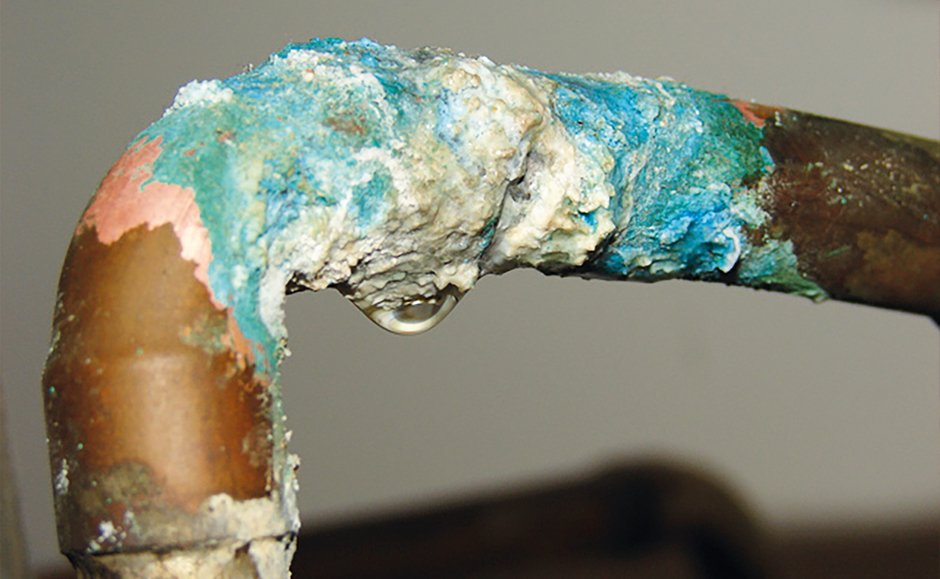
    Few household water problems are as visually distinctive as blue-green staining. Homeowners may notice turquoise or greenish marks around faucets, drains, shower fixtures, or the inside of a bathtub.

    These stains can be associated with copper compounds and certain water conditions. When water interacts with copper plumbing, particularly under corrosive conditions, copper can enter the water and eventually create colored deposits on surfaces.

    But don’t jump to conclusions based on color alone. Cleaning products, existing deposits, and other environmental factors can sometimes produce similar-looking marks.

    If the staining keeps returning shortly after cleaning, that’s a good reason to investigate the underlying water chemistry rather than repeatedly scrubbing the same spot.

    Copper Plumbing Deserves Attention

    Copper has been used in plumbing for decades because it is durable and resistant to many common conditions. Yet no plumbing material is completely unaffected by its environment.

    Water that is chemically aggressive can interact with copper over time. The result may include staining, pinhole leaks, metallic taste, or deterioration of plumbing components. The severity depends on several factors, including pH, temperature, dissolved gases, mineral content, and water flow.

    This is one reason simply replacing a damaged pipe doesn’t always solve the bigger problem. If the underlying water chemistry remains unchanged, new plumbing can eventually experience similar conditions.

    In some cases, correcting the water chemistry may be part of the long-term solution. In others, the plumbing itself may need repair or replacement. Proper diagnosis matters.

    What Corrosion Can Look Like

    Corrosion isn’t always dramatic. Sometimes it appears as a visible leak, but it can also develop quietly inside pipes.

    Corrosion of plumbing  may lead to pinhole leaks, weakened fittings, discoloration, or changes in water appearance and taste. Older plumbing systems can be especially vulnerable, although newer installations aren’t automatically immune.

    If a home experiences repeated leaks in seemingly unrelated locations, it may be worth asking whether there is a common cause. A plumber can inspect the system, while a water professional can evaluate the chemistry.

    The two perspectives can complement each other. Plumbing tells you what the water is doing to the system; water testing helps explain why.

    Hardness Isn’t the Same as Corrosion

    It’s easy to assume that hard water is responsible for every plumbing problem, but the situation is more complicated.

    Hard water contains elevated calcium and magnesium, which can contribute to scale formation. Corrosive water, meanwhile, involves chemical conditions that can cause materials such as copper to deteriorate.

    These aren’t interchangeable problems. In fact, simply installing a softener may not address a corrosion issue.

    A proper water analysis can distinguish between different concerns and help determine whether treatment is appropriate. Depending on the results, a household might need softening, filtration, pH adjustment, corrosion control, or no treatment at all.

    That last possibility is worth remembering. Sometimes the test shows that the water isn’t the culprit.

    Don’t Ignore Water Heater Symptoms

    Your water heater can provide another useful clue. Sediment and scale may collect inside the tank, reducing efficiency and potentially shortening equipment life.

    If hot water develops an unusual taste or color, or if the heater makes popping and rumbling sounds, the unit may need inspection. These symptoms aren’t necessarily caused by water chemistry alone, but mineral buildup can play a role.

    Regular flushing and manufacturer-recommended maintenance can help. Homes with particularly mineral-rich water may need more frequent attention.

    Again, there’s no substitute for looking at the actual conditions rather than assuming the cause.

    When Should You Test Your Water?

    Testing makes particular sense when you notice recurring stains, changes in taste or smell, unexplained plumbing problems, or a sudden shift in water appearance.

    It’s also sensible after moving into a property with a private well, completing major plumbing work, or noticing changes in a previously stable supply.

    For routine household decisions, a certified laboratory or qualified water professional can provide useful guidance on which tests are appropriate. Avoid choosing a treatment system solely because an online advertisement promises to solve a long list of problems.

    Water chemistry is individual. Your home’s solution should be, too.

    A Little Attention Can Prevent Bigger Problems

    Plumbing rarely fails without giving some kind of warning. Sometimes that warning is a stubborn stain. Sometimes it’s a strange taste, a recurring leak, or mineral deposits that seem to return no matter how often they’re cleaned.

    Those clues don’t automatically tell you what’s wrong, but they can tell you when it’s time to look closer.

    The smartest approach is usually straightforward: observe the symptoms, test the water, inspect the plumbing, and address the actual cause. A good treatment system can certainly help in the right situation, but equipment should follow diagnosis—not replace it.

    After all, the pipes in your home are quietly carrying water every day. Paying attention to what they’re telling you can help protect the plumbing, reduce unnecessary repairs, and keep your household water performing the way it should for years to come.
  • What Your Home’s Water System Can Tell You About Everyday Comfort

    What Your Home’s Water System Can Tell You About Everyday Comfort

    Most homeowners don’t think much about the plumbing system when everything is working properly. Water comes out when the tap is turned on, the shower gets hot, the toilet flushes, and life carries on. It’s only when something goes wrong that the pipes suddenly become very important.

    A weak shower, noisy faucet, water pressure that keeps changing, or a strange taste in the kitchen tap can all be little clues. Sometimes the issue is simple. Other times, it points to a larger problem involving the water supply, plumbing equipment, filtration, or pressure management.

    Understanding a few basics can make it easier to spot trouble early and make better decisions when repairs or upgrades are needed.

    Pressure Is More Important Than It Seems

    Water pressure affects nearly every fixture in a home. Too little pressure can make showers disappointing and faucets slow. Too much pressure, meanwhile, can place unnecessary strain on pipes, fixtures, valves, and appliances.

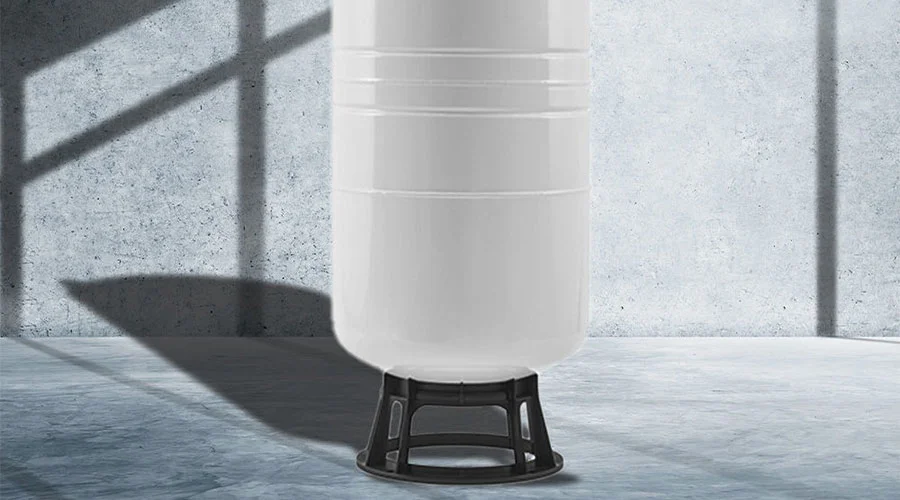
    Homes that rely on private wells often have additional equipment designed to maintain a dependable supply. One important component is the pressure tank, which works alongside the well pump to help regulate water delivery.

    Pressure tanks store a reserve of pressurized water, allowing the pump to operate in cycles rather than turning on every time someone opens a faucet. When properly sized and maintained, the tank can contribute to smoother water delivery and reduce unnecessary pump cycling.

    If you notice frequent pump starts, inconsistent pressure, or unusual noises around the well equipment, it’s worth having the system inspected instead of assuming the pump is simply getting old.

    Small Plumbing Problems Can Become Big Ones

    A dripping faucet seems harmless. So does a slow drain. But plumbing problems have a habit of becoming more expensive when they’re ignored.

    A small leak beneath a sink can damage cabinets or flooring. A toilet that runs continuously can waste a surprising amount of water. A slow drain may eventually become a complete blockage.

    This is where routine general plumbing service can be useful. Professional plumbers can inspect fixtures, repair leaks, replace worn components, clear drainage problems, and identify issues that aren’t immediately obvious to the homeowner.

    Not every plumbing problem requires an emergency call. In fact, scheduling repairs while an issue is still relatively minor is often the smarter move. Waiting until water is pouring through the ceiling is rarely part of anyone’s weekend plans.

    Pay Attention to Changes in Water Quality

    Plumbing isn’t only about moving water from one place to another. The condition of that water matters, too.

    A sudden change in taste, odor, color, or clarity deserves attention. Brownish water could be associated with sediment or corrosion. A sulfur-like odor may point toward a water-quality issue. Cloudiness can have several possible causes, some harmless and others worth investigating.

    The important thing is not to jump straight to a particular treatment system based on one observation. Water testing can provide much more useful information.

    Once the characteristics of the water are understood, homeowners can determine whether filtration, softening, purification, plumbing repairs, or another solution is appropriate.

    Drinking Water Starts With More Than a Filter

    People often assume that installing a filter automatically solves every drinking-water concern. Unfortunately, water quality isn’t quite that simple.

    Different treatment technologies are designed for different purposes. Some filters target sediment. Others improve taste and odor. Certain systems are designed to reduce specific dissolved substances.

    The source of the water matters as well. Municipal water and private well water can present very different considerations.

    For homeowners concerned about clean, safe drinking water, the best approach is to understand the supply before choosing equipment. A water test can help identify what is actually present, while a qualified water professional can explain which treatment options are appropriate.

    That may sound less exciting than buying a shiny new filtration system, but it can save money in the long run.

    Your Water Heater Needs Attention Too

    Water heating is another part of the home system that’s easy to ignore until the morning shower suddenly turns cold.

    Traditional storage water heaters can accumulate sediment over time, especially in areas with harder water. That buildup can affect efficiency and contribute to premature wear. Leaks, strange popping sounds, rusty water, or inconsistent temperatures are also signs that an inspection may be worthwhile.

    Regular maintenance can help extend equipment life. Depending on the system, that may include flushing the tank, checking connections, inspecting valves, or evaluating the condition of heating components.

    And if a unit is approaching the end of its expected service life, planning a replacement before a complete failure can make the process much easier.

    Why Water Pressure Problems Shouldn’t Be Ignored

    Water pressure that changes dramatically from one moment to the next can be frustrating. You might start a shower with decent pressure only to find it weakening when another fixture is used.

    Several things can cause pressure problems. There could be an issue with the municipal supply, a clogged filter, a pressure regulator problem, a failing well component, or undersized plumbing.

    The solution depends entirely on the cause.

    That’s why randomly adjusting valves or replacing equipment isn’t always a good idea. A professional diagnosis can identify where the pressure is being lost and whether the problem is inside the home or somewhere in the supply system.

    Maintenance Is Mostly About Prevention

    Plumbing maintenance doesn’t have to mean constantly calling someone to inspect every pipe. It’s more about paying attention and dealing with small concerns before they become emergencies.

    Look under sinks occasionally. Check exposed pipes for corrosion or moisture. Listen for toilets that keep running. Notice changes in water pressure. Keep an eye on the water heater. If you have a private well, don’t overlook the pump and pressure equipment.

    These simple habits can reveal problems surprisingly early.

    It also helps to know where your main water shutoff valve is located. In a serious leak, being able to shut off the supply quickly can make a huge difference.

    A Better Way to Think About Your Home’s Water

    Your home’s water system is really a collection of connected parts. The well or municipal supply, pressure equipment, pipes, fixtures, filtration, water heating, and drainage all have their own jobs, but they influence one another.

    A problem in one area can sometimes show up somewhere completely different.

    That’s why good water management starts with observation. If something changes, don’t dismiss it just because the house is still functioning. Strange noises, pressure fluctuations, leaks, unusual smells, or changes in water appearance are worth investigating.

    You don’t need to become a plumbing expert to take better care of your home. A little awareness goes a long way.

    In the end, dependable water isn’t about having the most complicated equipment or the latest technology. It’s about having a system that is properly designed, appropriately maintained, and suited to the needs of the people using it.

    When the plumbing works quietly in the background, you barely notice it. And honestly, that’s a pretty good sign that everything is doing its job.

  • When Well Water Gets Complicated: Understanding Common Water Quality Problems

    When Well Water Gets Complicated: Understanding Common Water Quality Problems

    There’s something appealing about having your own well. You’re not relying entirely on a municipal water supply, and for many homeowners, that independence is part of the charm of living outside the city. But well water comes with its own personality. Sometimes it tastes great. Sometimes it leaves orange marks in the sink, smells a little strange, or makes you wonder why the shower glass looks permanently dirty.

    The frustrating part is that these problems don’t always announce themselves clearly. Water can look perfectly clean and still contain minerals or other substances that affect taste, plumbing, appliances, and everyday comfort. That’s why understanding the source of the problem matters before choosing a treatment system.

    Start With the Water, Not the Equipment

    When homeowners notice a problem, the natural reaction is to search for a filter. It’s understandable. Filters are familiar, easy to find, and seem like a simple answer.

    But well water isn’t one-size-fits-all.

    The water chemistry beneath one property can be completely different from the water beneath another property just a few miles away. Soil, rock formations, groundwater conditions, seasonal changes, and the depth of the well can all influence what ends up in the water.

    A proper water test is therefore one of the most useful first steps. It can identify hardness, iron, manganese, pH, sediment, and other characteristics that influence which treatment method makes sense. Without that information, buying equipment can become a rather expensive guessing game.

    Strange Smells Don’t Always Mean Something Is Wrong With the Well

    Odor is one of the quickest ways to lose confidence in your water. A faint chlorine smell may be familiar in treated municipal water, but private wells can produce very different odors.

    Some homeowners notice a sulfur-like smell that resembles rotten eggs. Others describe the water as musty, earthy, or metallic. The cause can vary, and that’s important because the treatment should address the source rather than simply mask the smell.

    Depending on the situation, filtration and aeration technologies may help. Activated carbon can be useful for certain taste and odor concerns, while other conditions may call for a more targeted approach.

    The goal of taste and odor removal isn’t simply to make water smell better for a few days. It’s to create a treatment strategy that continues working as water flows through the home.

    Orange Stains Tell Their Own Story

    If you’ve ever cleaned an orange or reddish stain from a toilet or bathtub, you know how persistent it can be. It may look like the fixture itself is rusting, even when the fixture is perfectly fine.

    Iron in well water is a common reason for these stains. Depending on its form and concentration, iron can appear as dissolved iron in the water or as particles that are easier to see.

    Treatment depends on the type and amount present. Some situations can be handled with filtration, while others may require oxidation followed by filtration or a specialized treatment system.

    That’s why iron removal shouldn’t be approached as simply buying the biggest filter available. The chemistry matters. A system designed for one type or concentration of iron may perform poorly under different conditions.

    Hard Water Can Quietly Wear on a Household

    Iron gets plenty of attention because it leaves obvious stains, but hardness is another common concern for well-water households.

    Hard water contains minerals such as calcium and magnesium. These minerals can create scale on faucets, showerheads, water heaters, and appliances. Soap may also behave differently, leaving behind residue instead of producing the clean rinse homeowners expect.

    Over time, scale can affect efficiency and maintenance. A water heater with mineral buildup, for example, may have to work harder to transfer heat effectively.

    A properly selected softening system can reduce these problems. But again, testing should come first. The right system depends on hardness levels, household water consumption, and the specific setup of the property.

    Sediment Can Be More Than a Cosmetic Problem

    Some wells produce water containing sand, silt, or other small particles. You may notice this as cloudy water, grit around fixtures, or sediment collecting at the bottom of a glass.

    Even small particles can cause trouble when they repeatedly pass through plumbing and appliances. They may contribute to wear on valves, clog fixtures, and create extra work for downstream treatment equipment.

    A sediment pre-filter can sometimes provide a relatively simple solution. It captures larger particles before they reach more sensitive equipment.

    The important question is how much sediment is present and where it’s coming from. If the problem is severe or suddenly appears, it may be worth investigating the well itself rather than treating the symptoms indefinitely.

    Some Well Water Problems Need More Than One Treatment Stage

    This is where water treatment can become a little confusing. Homeowners sometimes expect one machine to solve every issue, but different contaminants behave differently.

    A system that addresses sediment may not reduce dissolved minerals. A carbon filter can improve certain tastes and odors but isn’t a universal solution for every contaminant. A softener handles hardness but isn’t designed to replace every type of filtration.

    In other words, treatment often works best as a team.

    A well-designed system might include sediment filtration, softening, oxidation and filtration, carbon treatment, or drinking-water purification, depending on the test results. Each stage has a specific purpose.

    That may sound more complicated, but it’s actually the opposite. When every component has a job, the overall system becomes easier to understand.

    Don’t Ignore Changes in Your Water

    One of the most important habits for well owners is paying attention to changes.

    If the water suddenly develops a new odor, changes color, becomes cloudy, or tastes noticeably different, don’t simply assume it’s normal. Seasonal groundwater changes can happen, but sudden changes can also point toward a problem with the well, plumbing, or treatment equipment.

    After heavy rain, for example, surface water can sometimes influence a poorly protected or compromised well. Construction, flooding, or changes in groundwater conditions may also affect water quality.

    Testing during a noticeable change can provide useful information and help determine whether treatment adjustments are needed.

    Protect the Well, Not Just the Water

    Water treatment equipment is only part of the equation. The well itself deserves attention.

    Keep the area around the wellhead properly maintained and avoid activities that could introduce contaminants nearby. Regular inspections can also help identify physical problems before they become major concerns.

    If the well casing, cap, plumbing connections, or surrounding area has a problem, installing additional filtration may only treat the symptom.

    Think of it like fixing a leaky roof by putting a bucket on the floor. The bucket has a purpose, sure, but eventually you need to deal with the roof.

    A Practical Approach Makes Everything Easier

    Well water doesn’t have to be difficult. It simply requires a little more attention because the source is local and conditions can vary.

    When dealing with well water problems, start by identifying what is actually happening. Test the water, consider the condition of the well, and look at the way water moves through your home. Then select treatment equipment based on those findings.

    The right solution might be simple, or it might involve several stages working together. What matters is that every part of the system has a reason for being there.

    Good well-water treatment isn’t about chasing the newest technology or installing the largest system. It’s about understanding your water and giving it the treatment it genuinely needs. Once that’s done, the stains, strange smells, and everyday annoyances can become much easier to manage—and your water can go back to being something you simply use, rather than something you constantly worry about.

  • How to Choose the Right Water Treatment for Your Home

    How to Choose the Right Water Treatment for Your Home

    Water quality has a way of becoming noticeable at exactly the wrong time. You’re halfway through making coffee and suddenly the water tastes different. The shower leaves spots on the glass. The kettle has a chalky layer inside it that seems to come back no matter how often you clean it.

    These things can feel like minor household annoyances, and sometimes they are. But they can also point to underlying water-quality issues that deserve a closer look. The tricky part is knowing what kind of treatment actually makes sense.

    There isn’t one magic system that works for every home. Water chemistry varies, household needs vary, and even two neighboring properties can have different concerns. The smartest approach is to understand the problem first and choose equipment second.

    Start by Understanding Your Water

    Before shopping for treatment equipment, find out what is actually in your water.

    A water test can provide useful information about hardness, pH, chlorine, iron, sediment, dissolved minerals, and other characteristics. If your home relies on a private well, testing can be especially important because groundwater conditions may change over time.

    Testing also prevents a common mistake: treating a symptom instead of the cause.

    For example, cloudy water doesn’t automatically mean you need the same filter as someone dealing with hard water. Likewise, an unpleasant taste isn’t necessarily a sign that a softener is required. Different problems call for different technologies.

    It sounds obvious, but it’s surprisingly easy to overlook.

    Hard Water Can Be a Persistent Nuisance

    Hard water is common, and while it isn’t usually an emergency, it can make everyday life more frustrating. Calcium and magnesium in the water can create scale on faucets, showerheads, cookware, and appliances.

    Over time, that buildup may become particularly noticeable around water heaters and other equipment that regularly heats water.

    For households dealing with substantial hardness, water softener systems can help reduce calcium and magnesium through an ion-exchange process. The result can be less scale, easier cleaning, and water that feels different when washing.

    Still, softening isn’t the same thing as filtering. A softener is designed primarily for hardness, so it shouldn’t be purchased with the expectation that it will remove every contaminant or solve every taste and odor issue.

    Filtration Is About the Specific Problem

    Filtration sounds straightforward, but there are many types of filters, and they don’t all do the same job.

    Carbon filters, for instance, are widely used to reduce chlorine taste and odor. Sediment filters can capture particles such as sand, silt, and rust. Other specialized media are designed for particular contaminants or minerals.

    That’s why water filtration systems should be selected based on your water analysis rather than simply choosing the biggest or most expensive option.

    A good system should have a clear purpose. If you’re dealing with sediment, treat sediment. If taste and odor are the main concerns, choose technology designed for those issues. It sounds almost too simple, yet matching the solution to the problem is what makes water treatment effective.

    When Reverse Osmosis Makes Sense

    Some homeowners want to improve water throughout the house. Others mainly care about what comes out of the kitchen faucet.

    If drinking and cooking water are your priority, reverse osmosis can be worth considering. RO systems use a semipermeable membrane to reduce many dissolved substances from water, and they’re often installed under the kitchen sink with a dedicated faucet.

    For certain water-quality concerns, reverse osmosis solutions can provide a high level of treatment for drinking water without requiring every gallon used for laundry or bathing to pass through the same process.

    There are trade-offs, though. RO systems require filter and membrane maintenance, and they typically produce some wastewater during operation. Storage capacity and flow rate are also worth considering, especially in busy households.

    Whole-Home Treatment vs. Point-of-Use Treatment

    One of the most useful decisions to make is whether you need treatment throughout the property or only at specific fixtures.

    Whole-home treatment happens where water enters the house, so treated water can flow to showers, bathrooms, laundry areas, and other fixtures. This can be useful when the concern affects the overall water supply.

    Point-of-use treatment, meanwhile, focuses on a particular location. An under-sink RO unit is a common example.

    Neither approach is automatically better. If hard water is causing scale throughout your plumbing and appliances, treating only the kitchen tap won’t address the wider issue. But if your main goal is improving drinking water, installing a large whole-home system may be unnecessary.

    The right choice depends on what you’re trying to accomplish.

    Household Size Matters More Than You Might Think

    Water treatment equipment has to keep up with your household.

    A home with two residents generally has different water demands than a home with five or six people. Morning routines can be especially demanding: multiple showers, toilets flushing, laundry running, and someone trying to fill a large pot for breakfast.

    System capacity and flow rate should therefore be considered during selection. An undersized system may struggle during peak demand, while an oversized system can cost more than necessary.

    A professional assessment can help determine the appropriate size based on household usage, plumbing, and water conditions.

    Maintenance Is Part of the Purchase

    A treatment system doesn’t stop needing attention after installation.

    Filters eventually need replacement. RO membranes require periodic service. Softeners may need salt replenishment or other maintenance, depending on the system. Components should also be inspected periodically to make sure everything is operating as intended.

    This is worth considering before you buy.

    Ask about the expected maintenance schedule, replacement-part costs, and availability of service. A system that’s inexpensive upfront may become less attractive if replacement parts are unusually costly or difficult to find.

    And don’t ignore maintenance once the equipment is installed. A neglected filter can become ineffective, while poor maintenance can shorten the life of the equipment.

    Look for a Water Treatment Professional Who Listens

    The quality of the installation matters almost as much as the equipment.

    A reputable professional should want to understand your water source, household size, concerns, and treatment goals before making a recommendation. They should also be willing to explain what a system can and cannot do.

    Be cautious of anyone who recommends a product immediately without asking questions or reviewing water-quality information. There’s no universal machine that fixes every water problem.

    Good advice should feel more like a conversation than a sales pitch.

    Don’t Forget the Long-Term Picture

    When comparing systems, look beyond the initial price.

    Consider installation, maintenance, replacement filters, water usage, expected lifespan, and ongoing service. Think about how much space the equipment needs and whether it will fit comfortably with your existing plumbing.

    Most importantly, consider whether the treatment actually solves the problem you started with.

    There’s little value in paying for technology you don’t need.

    Better Water Starts With Better Decisions

    Choosing water treatment doesn’t have to be overwhelming. In fact, once you break it down, the process is fairly practical.

    Test the water. Identify the issue. Decide whether you need treatment throughout the home or at a particular fixture. Then choose equipment designed for that specific purpose.

    The best system isn’t necessarily the most sophisticated one. It’s the one that quietly does its job, fits your household, and doesn’t create a new set of headaches.

    Good water should become something you barely think about again — which, in a busy home, is probably the highest compliment a treatment system can receive.

  • How to Document Home Repairs Before They Become Expensive Problems

    Most home repairs do not begin with a dramatic failure. They start with a small stain beneath a window, a bathroom fan that suddenly sounds louder than usual, a hairline crack along the ceiling, or a faucet that needs a little more force to turn off each week. It is easy to put these things on a mental list for later. Unfortunately, later is often when a minor maintenance issue has turned into damaged drywall, mold growth, a plumbing leak, or an unexpectedly large contractor bill.

    Keeping simple records of your home’s condition can make repairs easier to manage. You do not need a complicated system or a binder full of paperwork. A few photographs, dates, receipts, and clear notes can help you spot changes, explain concerns to a professional, and protect the value of your property over time.

    Start With a Seasonal Walk-Through

    A good habit is to inspect the home at the change of each season. Weather places different demands on a property throughout the year. Spring may reveal roof or gutter damage after winter storms. Summer can expose air-conditioning problems and drainage issues. Fall is an ideal time to look at caulking, exterior paint, and heating equipment. During winter, drafts, ice dams, and plumbing concerns tend to become more noticeable.

    Walk through the property slowly, inside and out, and take photos of anything that seems different. Look at ceilings, corners near windows, cabinet bases beneath sinks, flooring around toilets, and exterior trim. Outside, check gutters, downspout extensions, walkways, siding, foundation walls, and areas where soil meets the house.

    The goal is not to diagnose every issue yourself. It is simply to notice changes early enough to make a sensible decision about them.

    What to Record When You Find a Problem

    When something needs attention, a vague note such as “leak in kitchen” is less useful than a short record with a few details. Include the date, the exact location, what you observed, and whether the problem changes with rain, temperature, or appliance use. Photographs should show both a close-up and a wider view that makes the location clear.

    • Date the issue was first noticed
    • Location and a brief description of the symptom
    • Photos or short videos, especially of active leaks or unusual noises
    • Weather conditions, if the problem seems related to rain or wind
    • Any temporary action taken, such as shutting off a valve or placing a container under a drip
    • Names of contractors contacted and estimates received

    These notes are particularly helpful with intermittent problems. A roof leak may only appear during a wind-driven storm. A drain may back up only when the washing machine is running. A technician can investigate more effectively when you can explain the pattern rather than trying to reconstruct it from memory.

    Take Water Seriously, Even When the Stain Is Small

    Water is one of the most destructive forces in a home because it can travel quietly. A faint ceiling mark may be caused by a roof issue, plumbing above the room, condensation around ductwork, or a bathroom leak on the other side of a wall. The visible spot is not always the source.

    If you find discoloration, bubbling paint, warped flooring, or a persistent musty smell, document it and investigate promptly. Check nearby plumbing connections and look for signs of moisture in cabinets, basements, crawl spaces, and attic areas where it is safe to do so. If a leak is active, focus first on limiting further damage. Turn off water to the affected fixture or, if necessary, the home’s main supply, then contact a qualified professional.

    Waiting to see whether a water problem disappears is rarely a good strategy. The water may stop showing itself while damage continues behind finishes.

    Keep Receipts With the Work, Not in a Random Drawer

    Repair records matter for more than household organization. They can be valuable when comparing warranties, scheduling future maintenance, filing an insurance claim, or preparing to sell. A buyer may appreciate knowing when the roof was replaced, when the water heater was installed, or whether electrical work was completed by a licensed professional.

    Create one digital folder for the property and organize it by system: roof, plumbing, HVAC, electrical, appliances, exterior, and renovation projects. Save invoices, permits, warranty information, before-and-after photos, and product manuals. A basic spreadsheet can also track major work and expected service dates.

    If you have useful experience with a particular repair process, sharing a clear, practical account can help other homeowners avoid common mistakes. Home-focused writers who want to contribute a well-researched piece to another relevant site can explore Guest Posting opportunities, but the same standard applies: explain what happened, what evidence mattered, and where professional help was needed.

    Know Which Tasks Are Good for DIY and Which Are Not

    Documenting an issue does not mean every repair should become a do-it-yourself project. Replacing weatherstripping, cleaning gutters safely, tightening a loose cabinet handle, or changing an HVAC filter are manageable tasks for many homeowners. Electrical work, structural movement, major roof repairs, gas connections, and hidden plumbing leaks are different. Mistakes in these areas can be expensive and, more importantly, unsafe.

    When obtaining estimates, give each contractor the same information and ask what is included. A low estimate may leave out disposal, permits, materials, finishing work, or warranty coverage. Written scope details make comparisons much more meaningful.

    Use Your Records to Plan, Not Panic

    A repair log should make homeownership feel more manageable, not turn every crack into an emergency. Many small imperfections are normal as a house settles and materials expand or contract. What matters is change: a crack that widens, staining that returns, a door that suddenly will not close, or a repair that repeatedly fails.

    Over time, your notes create a clearer picture of the home. You will know which maintenance tasks are due, which systems are aging, and which concerns deserve faster action. That knowledge helps you budget realistically and respond before a small issue starts affecting the comfort, safety, or resale value of the property.

    A home does not need to be perfect to be well cared for. It needs regular attention, timely decisions, and enough documentation to make those decisions based on facts rather than guesswork.

  • What Are the Signs You Need Dryer Vent Cleaning in Friendswood?

    What Are the Signs You Need Dryer Vent Cleaning in Friendswood?

    Your dryer may seem like a simple home appliance, but it needs proper airflow to work well. Every time you dry clothes, the machine produces heat and moisture. The dryer vent helps move that hot air outside your home.

    Over time, lint and dust can collect inside the vent. When buildup becomes heavy, air may not move as easily as it should. This can make your dryer take longer to finish a load. Many homeowners do not think about the dryer vent until something goes wrong. Knowing the warning signs can help you notice a problem early and decide when professional cleaning may be needed.

    Why Does a Dryer Vent Need Cleaning?

    The dryer vent carries hot, moist air away from the dryer. Lint from clothes can also travel through the system during normal use.

    Some lint gets caught in the lint filter, but not all of it stays there. Small amounts can enter the vent and collect inside over time. As more lint builds up, the vent can become restricted. This may affect how well your dryer works and how quickly your clothes dry.

    How Does Lint Get Inside the Vent?

    Lint is made from tiny fibers that come off clothing during the drying process. The lint filter catches much of it, but some particles can move beyond the filter.

    Those particles can settle inside the vent. If the dryer is used often, the buildup can happen faster. Regularly cleaning the lint filter is important, but it does not clean the entire vent system. The vent may still need professional attention.

    Can a Dirty Vent Affect Dryer Performance?

    Yes, a restricted vent can make it harder for hot air and moisture to escape. Your dryer may then need more time to dry the same amount of clothing.

    The machine may also run longer than normal. This can make laundry feel like it takes much more time than it should. If you notice a clear change in drying performance, checking the vent is a good place to start.

    What Are the Main Signs Your Dryer Vent Needs Cleaning?

    There are several signs that may point to a dirty or restricted dryer vent. Some are easy to notice, while others may appear slowly over time. Longer drying times are one common warning sign. You may also notice that the dryer feels hotter than usual during a normal cycle. Other changes can include unusual smells, weak airflow, or lint collecting around the dryer area. These signs should not be ignored.

    Why Are Clothes Taking Longer to Dry?

    A dryer needs good airflow to remove moisture from wet clothes. If the vent is restricted, that moisture may take longer to leave the dryer. You may notice that one cycle is no longer enough. Clothes that used to dry quickly may now need another cycle. If this happens often, the local dryer vent cleaning company Friendswood service should be checked. A blocked vent is one possible reason for the change.

    Should a Dryer Feel Very Hot?

    A dryer naturally becomes warm while it runs. However, excessive heat around the machine may be a warning sign. When airflow is restricted, heat can build up inside the dryer and vent system. This can make the appliance feel hotter than normal. If you notice unusual heat, stop and investigate the cause. A professional can check whether the vent is restricting airflow.

    Can a Burning Smell Mean the Vent Is Dirty?

    A burning smell should always be taken seriously. Lint is highly flammable, and heavy buildup inside a dryer vent can create a dangerous situation.

    If you smell something burning while the dryer is running, stop using the appliance. Do not assume the smell will go away on its own.

    Have the dryer and vent checked by a qualified professional. Finding the cause is much safer than continuing to use the dryer.

    What Should You Do If You Smell Burning?

    Turn off the dryer and allow it to cool. Avoid using it again until you understand where the smell is coming from.

    The problem may involve the vent, the dryer, or another part of the system. A professional inspection can help identify the source. Do not try to solve a serious problem by simply cleaning the lint filter. The issue may be deeper inside the system.

    Can Lint Cause a Burning Smell?

    Lint can become a concern when it collects near heat. A dryer produces high temperatures during normal operation, so keeping the vent clear is important.

    If lint has built up inside the vent, airflow may become restricted. The added heat and lint buildup can create a situation that needs attention. This is one reason homeowners should take unusual burning smells seriously.

    Why Is My Dryer Taking More Than One Cycle?

    If clothes need two or more cycles to dry, there may be an airflow problem. A blocked or dirty vent can make it harder for moisture to escape.

    However, a long drying time can have other causes too. A dirty lint filter, damaged vent hose, or dryer problem can also affect performance. A professional can check the system and help determine what is causing the problem.

    Can a Full Lint Filter Cause Slow Drying?

    Yes, a full lint filter can reduce airflow through the dryer. This is why the lint filter should be cleaned after every load.

    Keeping the filter clean is one of the easiest ways to care for your dryer. However, a clean lint filter does not mean the vent is clean. Lint can still collect farther inside the vent system.

    Could the Vent Hose Be the Problem?

    The vent hose can affect airflow if it is crushed, bent, or blocked. A poor connection can also create problems with the movement of air. If the hose is damaged or restricted, the dryer may not work as efficiently as it should. A technician can inspect the hose and the rest of the vent system to find possible airflow problems.

    Is Weak Airflow a Sign of a Dirty Dryer Vent?

    Weak airflow can be a warning sign. The dryer needs to push hot, moist air through the vent and outside the home. If very little air is coming from the outside vent while the dryer is running, there may be a restriction somewhere in the system. The cause is not always lint. The vent design, hose, outside flap, or another issue could also affect airflow.

    How Can You Check the Outside Vent?

    While the dryer is running, you can look at the outside vent from a safe location. You should normally notice air moving through the opening. If the airflow seems weak or almost nonexistent, the vent may need attention. Do not put your hands inside the vent or try to take apart the system yourself. A professional can inspect it more safely.

    What If the Outside Flap Does Not Open?

    Many dryer vents have an outside flap that opens when air leaves the home. If the flap does not move properly, airflow may be restricted. Lint, dirt, or another obstruction can sometimes affect the flap. If the outside vent does not seem to work normally, have the system checked. The problem may be simple, but it should not be ignored.

    Can a Dirty Dryer Vent Make the Laundry Room Hot?

    A laundry room may become warm when the dryer is running. However, unusual or excessive heat can be a sign of poor airflow. When hot air cannot escape properly, more heat may remain around the dryer. If the room suddenly feels much warmer than it used to, check the dryer and vent system. This can help identify a possible airflow problem.

    Should You Stop Using the Dryer?

    If the dryer becomes unusually hot, smells like burning, or shows another serious warning sign, stop using it. Continuing to run a dryer with a possible vent problem may make the situation worse. It is safer to have the system inspected before using the appliance again. A professional can help determine what needs to be cleaned or repaired.

    How Often Should Dryer Vents Be Cleaned?

    There is no single cleaning schedule that works for every home. Dryer use, vent length, vent design, and other factors can affect how quickly lint builds up. Homes that use the dryer often may need more frequent attention. Instead of relying only on a calendar, pay attention to changes in dryer performance. Warning signs can tell you when the vent may need to be checked.

    Does Frequent Dryer Use Matter?

    Yes, a dryer that runs many times each week may collect lint more quickly than one that is used only occasionally. More loads mean more clothing fibers pass through the drying process. If your household does a lot of laundry, it is especially important to watch for longer drying times and changes in airflow.

    Do Long Dryer Vents Need More Attention?

    Longer vents can have more areas where lint may collect. Bends and turns can also affect how easily air moves through the system. This does not mean every long vent has a problem. It simply means that the vent should be designed, installed, and maintained properly. A professional can check the system when needed.

    Can Dryer Vent Cleaning Help Clothes Dry Faster?

    If lint buildup is restricting airflow, cleaning the vent may help air move more freely. Better airflow can support normal dryer performance. However, cleaning is not a guaranteed solution for every drying problem. The dryer itself may have another issue. That is why it is useful to inspect the complete system instead of assuming the vent is always the cause.

    Can Cleaning Help Reduce Long Drying Times?

    A restricted vent can contribute to longer drying times. Removing buildup may help restore better airflow through the system. The results can depend on how dirty the vent was before cleaning. If your dryer still takes too long after cleaning, another problem may need to be checked.

    Will Cleaning Fix Every Dryer Problem?

    No. A dryer can have mechanical or electrical problems that have nothing to do with the vent. A damaged heating part, faulty sensor, or other issue can also affect drying performance. Professional vent cleaning is focused on the vent system. If the dryer itself has a problem, you may need an appliance technician as well.

    What Should You Look for in a Dryer Vent Cleaning Company?

    Choosing the right company is important. You want a technician who understands dryer vent systems and uses proper equipment for the job. The company should explain what the service includes before starting. Clear communication can help you understand what you are paying for. It is also useful to read customer reviews and compare a few local service providers before making your choice.

    Does Experience Matter?

    Experience can be helpful because dryer vent systems can be different from one home to another. Some vents are short and easy to access. Others may run through walls, floors, or ceilings. An experienced technician may be better prepared to handle different layouts and recognize common airflow problems.

    Should You Ask About Equipment?

    Yes, asking about equipment is a good idea. Professional cleaning requires tools that can reach inside the vent and remove buildup. You do not need to understand every tool they use. The company should simply be able to explain the cleaning process clearly. Good equipment and careful work can make the service more effective.

    How Can You Avoid Choosing the Wrong Company?

    Do not choose a company based only on a very low price. A cheap service may not always include complete cleaning. Ask what the service covers and whether there are additional charges. A clear price can make it easier to compare companies. You should also be careful with businesses that make extreme promises or pressure you to approve extra work.

    Should You Read Online Reviews?

    Yes, reviews can help you understand what previous customers experienced. Look for comments about service quality, communication, timing, and professionalism. Try to read several reviews instead of relying on one comment. Recent reviews can also be useful because they may better reflect the company’s current service.

    What If a Company Refuses to Answer Questions?

    A professional company should be willing to answer reasonable questions. You should understand the service before allowing someone to work in your home. If a company avoids basic questions about pricing or the cleaning process, consider comparing other options. Good communication is an important part of a trustworthy service.

    Is Professional Dryer Vent Cleaning Worth It?

    Professional cleaning can be useful when lint buildup is difficult to remove or when you notice signs of restricted airflow. A technician has tools and experience that can help reach areas you cannot easily access. The value of cleaning depends on the condition of your vent. If there is little buildup and no warning signs, you may not need frequent professional service.

    Can Regular Maintenance Help?

    Yes, simple maintenance can help keep your dryer working properly. Clean the lint filter after every load and keep the area around the dryer free from clutter. Pay attention to changes in drying time and airflow. These small habits can help you notice problems earlier and keep the dryer vent system in better condition.

    When Should You Call a Professional?

    If drying times become much longer, airflow becomes weak, or the dryer becomes unusually hot, consider having the vent checked. A burning smell is an especially important warning sign. Stop using the dryer and have the problem inspected. Professional cleaning can help when lint or other debris has built up inside the vent. 

    Indoor Air Duct is a premier air quality service provider, committed to improving the air you breathe since 1995. With over two decades of experience and state-of-the-art technology, their talented team is dedicated to delivering healthier living spaces. Specializing in air duct, chimney, HVAC, and dryer vent cleaning services, Indoor Air Duct diligently removes dust, mold, and pollutants, offering a noticeably cleaner and refreshed environment for homes and businesses alike. Trust their expertise for a revitalized atmosphere and the peace of mind that comes with knowing your air is safe and pure. We understand your busy schedule and we are just a phone call away.

    Final Thoughts

    Dryer vent problems can start with small changes. Clothes may take longer to dry, airflow may become weaker, or the laundry room may feel hotter than usual. These signs do not always mean the vent is dirty, but they are worth checking. Ignoring changes in dryer performance can allow a small problem to become more serious.

    Regularly cleaning the lint filter is important, but it does not replace professional vent cleaning when the duct itself needs attention. If you notice unusual heat, weak airflow, long drying times, or a burning smell, take the signs seriously. A professional inspection can help you understand what is happening.

    For homeowners in Friendswood, choosing a reliable dryer vent cleaning service can make the process easier. Look for clear pricing, proper equipment, good communication, and technicians who treat your home with care. A little attention can go a long way. Knowing the warning signs helps you take action at the right time and keep your dryer working as it should.

  • Choosing the Right Water Treatment Technology for Cleaner, Better-Tasting Water

    Choosing the Right Water Treatment Technology for Cleaner, Better-Tasting Water

    Water quality isn’t always as simple as looking into a glass and deciding whether it seems clean. Some water concerns are obvious, while others involve dissolved minerals, microorganisms, chemicals, or substances that aren’t visible at all. That’s why modern water treatment often relies on different technologies, each designed to address a particular challenge.

    For homeowners, businesses, and facilities with more demanding requirements, understanding the difference between treatment options can make the selection process much easier. The goal isn’t to install every available technology. It’s to choose the equipment that actually matches the water and the way it will be used.

    When Reverse Osmosis Makes Sense

    Among the most widely recognized purification technologies are reverse osmosis systems. These systems use pressure to push water through a semipermeable membrane, allowing water to pass while reducing many dissolved substances.

    genui{“learning_viz”:{“type_id”:”OSMOSIS”,”locale_override”:”en-US”}}

    Reverse osmosis is often used for drinking and cooking water because it can significantly reduce a broad range of dissolved contaminants, depending on the membrane and system design. It’s commonly installed under a kitchen sink, although larger systems are available for other applications.

    One thing worth remembering, though, is that reverse osmosis isn’t necessarily the answer to every water-quality problem. A good system may include pre-filtration to protect the membrane and improve overall performance. Proper installation and maintenance matter, too.

    Understanding Ultraviolet Water Treatment

    Not every water concern is about minerals or dissolved substances. Microbiological safety can be an entirely different matter.

    Ultraviolet light systems use UV energy to help inactivate microorganisms as water passes through the treatment chamber. Unlike chemical disinfection, UV treatment doesn’t rely on adding a disinfectant to the water.

    This makes UV technology particularly interesting for certain private wells and other applications where microbiological concerns need to be addressed. However, UV systems generally work best when the water is appropriately pretreated. Excessive sediment or cloudiness can interfere with UV exposure, which is why filtration may be used beforehand.

    UV treatment also requires electricity and periodic maintenance, including attention to the lamp and system components.

    Specialty Systems for Unusual Water Challenges

    Some water problems don’t fit neatly into the categories of hardness, chlorine, or general filtration. A property may have a specific contaminant or application requirement that calls for a more targeted approach.

    That’s where specialty systems can be useful. Depending on the water analysis and intended application, specialized treatment may be designed to address particular minerals, metals, chemical compounds, or process-water requirements.

    For example, a home with a specific well-water issue could require a treatment system selected around that individual problem. A commercial or industrial facility may need something considerably more technical because the treated water is being used as part of a production process.

    The key is to avoid guessing. Specialty treatment should be based on testing and a clear understanding of the desired outcome.

    One Technology Doesn’t Always Do Everything

    A common misconception is that a single filter or purifier should handle every possible water concern. In reality, water treatment often works best as a sequence.

    Imagine water containing sediment, hardness, and a microbiological concern. A professional might recommend multiple treatment stages, with each component handling a different part of the problem.

    Pre-filtration can protect downstream equipment. A softener or conditioning system may address hardness. UV can target microorganisms. Reverse osmosis can provide highly treated water for a specific drinking-water application.

    The exact combination depends on the water. There’s no universal recipe, and that’s actually a good thing.

    Start With Testing

    Before investing in treatment equipment, have the water properly evaluated. Testing can reveal characteristics that aren’t obvious from taste or appearance.

    For example, water that tastes fine could still contain elevated levels of certain dissolved substances. Likewise, cloudy water may point toward sediment or other issues that should be investigated before selecting a treatment system.

    Testing provides a starting point. From there, a qualified water-treatment professional can explain which technologies are appropriate and which ones may simply add unnecessary expense.

    Consider How the Water Will Be Used

    Drinking water and industrial process water have very different requirements.

    A homeowner may want better-tasting water at the kitchen faucet, while a restaurant may need reliable water for food preparation and cleaning. A manufacturing facility might require carefully controlled water chemistry for equipment or production processes.

    That’s why treatment capacity matters just as much as treatment technology. Flow rate, daily water consumption, peak demand, installation space, maintenance requirements, and operating costs should all be considered.

    A beautifully designed system that cannot keep up with demand isn’t a good system.

    Maintenance Is Part of the Solution

    Even high-quality water treatment equipment needs attention. Filters need replacement, membranes need care, UV lamps have service requirements, and specialized equipment may require periodic inspection.

    Ignoring maintenance can reduce performance and, in some cases, shorten the life of the system.

    It’s worth asking about maintenance before purchasing. Find out what needs to be replaced, how often it should happen, and whether professional servicing is recommended. Knowing these details upfront makes ownership much easier.

    Better Treatment Starts With Better Decisions

    Water treatment technology has come a long way, but choosing the right system still comes down to something fairly simple: understand the water and understand the goal.

    Reverse osmosis can provide highly treated drinking water. Ultraviolet treatment can help address microbiological concerns. Specialty equipment can tackle unusual or application-specific problems. Sometimes, several technologies work together to provide a more complete solution.

    Rather than chasing the latest equipment or choosing a system based solely on a long list of claims, focus on what your water actually needs. With proper testing, thoughtful system design, and regular maintenance, water treatment becomes less about complicated machinery and more about something wonderfully ordinary — having water you can feel confident using every day.

  • Better Water Starts With the Right Treatment Plan for Your Home or Business

    Better Water Starts With the Right Treatment Plan for Your Home or Business

    Water is easy to take for granted. We turn on a tap, fill a glass, start the washing machine, and move on with the day. But when water leaves spots on dishes, creates scale around faucets, smells strongly of chlorine, or simply doesn’t taste right, it becomes hard to ignore.

    The tricky part is figuring out what to do about it. There are softeners, filters, reverse osmosis systems, conditioners and plenty of products making big promises. Choosing between them can feel a little like standing in a hardware store with ten nearly identical boxes in front of you.

    A better approach is much simpler: understand your water first, then choose a treatment solution that actually fits your needs.

    Every Water Problem Has a Different Story

    Not all water-quality problems are the same. Hard water, for instance, is largely associated with dissolved calcium and magnesium. These minerals can create scale on fixtures and appliances, make soap harder to rinse, and leave those annoying white marks on glassware.

    Other homes may deal with sediment, unpleasant tastes, odors, iron staining, chlorine, or specific contaminants that require specialized treatment.

    That’s why buying the biggest or most expensive filter isn’t necessarily the smartest move. If the system isn’t designed for the problem in your water, you’re spending money without solving much.

    Start With Personalized Water Testing

    A good treatment plan begins with information rather than assumptions. personalized water testing can help identify the characteristics of your home’s water and provide a clearer picture of what treatment may actually be necessary.

    Testing can examine factors such as hardness, pH, chlorine, iron, dissolved solids, and other water-quality indicators. The exact testing needed depends on your water source and local conditions.

    This step is especially useful for homeowners using private wells. Well water can vary significantly from one property to another, and changes can occur over time. A test provides a useful starting point instead of relying on taste, appearance, or a neighbor’s recommendation.

    It’s a small step, really, but it can prevent a surprisingly expensive mistake.

    Why Professional Guidance Can Make a Difference

    Water treatment isn’t only about buying equipment. Installation, sizing, maintenance, and system compatibility all matter.

    A professional can look at your water results, household size, plumbing setup, daily water consumption, and specific concerns before recommending a system. That kind of assessment can help prevent a common problem: installing a system that works well in theory but isn’t properly sized for the home.

    For example, a filtration system may need to handle several showers, appliances, and faucets operating around the same time. Flow rate matters. Pressure matters. Filter capacity matters.

    Those details aren’t very exciting, admittedly. But they become important when your shower suddenly has disappointing water pressure.

    Water Treatment for Homes and Businesses

    Residential water treatment is only one side of the picture. Offices, restaurants, hotels, healthcare facilities, manufacturing operations, and other commercial properties may have much larger and more complicated requirements.

    Full-Service Home & Commercial Water Treatment can provide a broader approach by addressing everything from initial water testing and system selection to installation and ongoing maintenance.

    Commercial systems often need to handle higher volumes and specific operational requirements. A restaurant, for instance, may care about water quality because it affects cooking, beverages, dishwashing, and equipment. A manufacturing facility might have completely different requirements.

    The point is that water treatment should be built around how the water is actually being used.

    Don’t Ignore Hard Water

    Hard water is one of those problems people sometimes accept as “just the way water is.” It doesn’t have to be.

    A properly selected water softener can reduce calcium and magnesium through ion exchange, helping limit scale formation. You may notice easier cleaning, better soap performance, and less buildup on plumbing fixtures.

    There’s also an appliance angle. Mineral scale can accumulate inside water heaters and other equipment, potentially affecting efficiency over time.

    Of course, softeners aren’t appropriate for every water problem. They are designed primarily for hardness, not as a universal solution for every contaminant. Again, testing comes first.

    Financing and Ownership Options

    The upfront cost of professional water treatment can make some homeowners hesitate. Quality equipment, installation, and ongoing service aren’t always a tiny investment.

    For certain customers, Rent with Option to Purchase programs may provide another way to access treatment equipment without paying the entire purchase price immediately.

    The details of these arrangements can vary, so it’s important to understand the contract. Ask about monthly payments, maintenance responsibilities, purchase terms, cancellation conditions, and the total cost over time.

    A financing or rental option should make ownership or access easier—not make the agreement confusing.

    Think Beyond the Installation Day

    A water treatment system is only useful if it continues working properly.

    Filters have replacement schedules. Softening systems may require salt or other supplies. Certain equipment needs regular inspection or professional servicing. Neglecting these tasks can gradually reduce performance.

    Before choosing a provider, ask what ongoing maintenance looks like. Find out how often filters need replacement, what parts typically cost, and whether service technicians are available locally.

    A dependable support system can be worth just as much as the equipment itself.

    Choosing the Right Solution for Your Property

    There’s no universal “best” water treatment system. The right choice depends on your water source, test results, property size, usage patterns, budget, and personal priorities.

    A homeowner concerned mainly about hard water may need a softener. Someone focused on drinking-water quality could benefit from a point-of-use filtration system. A larger property with concerns throughout the plumbing system may need whole-home treatment.

    Businesses often require even more customized solutions because water quality can directly affect operations and equipment.

    The smartest decision is usually the one based on evidence, not advertising.

    Cleaner Water Is a Long-Term Investment

    Water treatment isn’t particularly glamorous. Nobody throws a party when a new filter is installed. Yet the difference can become noticeable in all those small everyday moments—cleaner-looking fixtures, better-tasting water, fewer mineral deposits, and greater confidence in what comes from the tap.

    The process doesn’t need to be complicated. Test your water, understand the problem, compare appropriate technologies, consider installation and maintenance, and choose a provider willing to explain the details.

    Whether you’re managing a family home or a busy commercial property, good water treatment is ultimately about making everyday water work better for you.

    And that’s a worthwhile investment—not just in equipment, but in comfort, convenience, and peace of mind.

  • Understanding Well Water and Finding the Right Treatment for Your Home

    Understanding Well Water and Finding the Right Treatment for Your Home

    For many homeowners, well water is part of everyday life. It flows from the kitchen faucet, fills the washing machine, runs through the shower, and supplies nearly every corner of the home. Unlike municipal water, however, private well water doesn’t always arrive after passing through a large public treatment system. The responsibility for understanding its quality often rests with the homeowner.

    That can sound a little intimidating, but it doesn’t have to be.

    Many homes with private wells enjoy reliable water for years. Still, water conditions can change over time. Heavy rainfall, changes in groundwater, aging well components, nearby construction, or naturally occurring minerals can all affect what comes out of the tap. Sometimes the signs are obvious. Other times, the water looks perfectly clear and seems completely normal.

    That’s why paying attention to your water is a smart habit, not something to put off until a major problem appears.

    Why Well Water Can Be Different From One Home to Another

    One of the interesting things about private wells is that no two are necessarily alike.

    A home may have high levels of hardness minerals, while another property just a few miles away struggles with iron staining. Some wells produce water with a noticeable sulfur smell. Others may contain sediment, manganese, or other naturally occurring substances.

    Because of this, well water treatment should never really be approached with a one-size-fits-all mindset.

    It’s tempting to see a water treatment advertisement and assume the advertised system will solve every possible issue. Unfortunately, water doesn’t work that way. A filter designed to reduce sediment may not solve a hardness problem, and a softening system may not address certain other water-quality concerns.

    The best approach starts with understanding what is actually in the water. Once the specific issue is identified, choosing an appropriate treatment solution becomes far more straightforward.

    The Signs Your Water May Need Attention

    Some water problems practically announce themselves.

    Orange or reddish stains around sinks and toilets may point to iron. White buildup on faucets, glassware, or shower doors can be a sign of hard water. A rotten-egg odor may indicate the presence of sulfur-related compounds or other issues that deserve investigation.

    Then there are the smaller clues. Soap may not lather well. Laundry might feel stiff after washing. Appliances can develop mineral buildup. Water may have an unusual taste that makes everyone in the house reach for bottled water instead.

    Of course, these signs alone don’t provide a complete diagnosis. Different water issues can sometimes produce similar symptoms, which is why guessing based on appearance can lead homeowners down the wrong path.

    A little information upfront can prevent a lot of unnecessary spending later.

    Why Testing Is the Best Place to Start

    Before investing in treatment equipment, it makes sense to know what you’re trying to fix.

    Many homeowners appreciate the opportunity to begin with Free Water Testing, especially when they’re unsure whether the problem involves hardness, iron, sediment, pH, or another concern. Testing can provide a clearer picture of the water conditions and help narrow down the options.

    It’s a bit like visiting a mechanic because your car is making a strange noise. You wouldn’t want the mechanic replacing random parts and hoping one of them solves the problem. You’d want someone to inspect the vehicle and identify the actual cause.

    The same logic applies to water.

    Depending on the situation, testing may examine factors such as hardness, iron, manganese, pH, total dissolved solids, bacteria, or other contaminants. The right tests can depend on the location, the age and condition of the well, and any noticeable changes in the water.

    Once there’s a clearer understanding of the results, homeowners can make decisions based on evidence rather than assumptions.

    Hard Water Can Affect More Than Your Dishes

    Hard water is one of the most common frustrations associated with private wells.

    At first, it may seem like nothing more than a cleaning annoyance. You wipe down the shower, and a few days later the mineral spots are back. Glasses come out of the dishwasher looking cloudy. Faucets develop a crusty layer that seems to require more elbow grease than it should.

    But over time, hardness minerals can also accumulate inside appliances and plumbing.

    For homes dealing with excessive hardness, a properly sized Water Softener may help reduce the effects of minerals such as calcium and magnesium. This can make routine cleaning easier and may help protect appliances that use water regularly.

    There’s also a noticeable comfort factor. Many people find that softened water helps soap lather more easily and can leave laundry feeling softer.

    It may not sound like a life-changing upgrade when you first hear about it. But when you no longer spend your Saturday morning scrubbing mineral stains off the shower door, you start to appreciate the difference.

    Different Problems Need Different Solutions

    A good water treatment plan should address the specific conditions of the water, not simply rely on whatever system happens to be popular.

    Sediment filters can help capture particles that may affect water clarity or clog equipment. Iron treatment systems may be used to address staining and metallic characteristics. Carbon filtration can improve certain tastes and odors. Reverse osmosis systems are often used at a point of use for drinking water and may reduce various dissolved substances, depending on the system.

    UV treatment can also play a role in certain situations where microbial concerns need to be addressed.

    Sometimes a single system is enough. Other homes may need a combination.

    For example, a homeowner might install whole-home treatment for general water concerns while using a separate drinking water system in the kitchen. Another household may only need sediment filtration and softening.

    The point isn’t to install as much equipment as possible. More equipment doesn’t automatically mean better water. The goal is to use the right tools for the job.

    Don’t Forget About Maintenance

    Water treatment equipment isn’t something you install and completely forget forever.

    Filters need to be replaced. Certain systems may require cleaning, servicing, or periodic adjustments. A softener may need salt replenishment, depending on the type of unit and how much water the household uses.

    These are normal parts of owning a treatment system, but they should be considered before making a purchase.

    It’s worth asking practical questions: How often will filters need replacement? What are the expected annual maintenance costs? Is professional service recommended? How long should the equipment last?

    Sometimes the lowest upfront price isn’t the best long-term value. A system that costs slightly more but is reliable, properly sized, and easy to maintain may save money and frustration over time.

    Water Conditions Can Change Over Time

    Another important point is that well water isn’t always completely predictable.

    A test performed years ago may not represent the water quality today. Environmental changes, flooding, drought, well repairs, or changes in nearby land use can potentially affect groundwater conditions.

    For that reason, periodic testing is a sensible part of responsible well ownership. If you notice a sudden change in taste, smell, color, or water pressure, it’s especially worth investigating rather than simply hoping the problem disappears.

    Your water system is part of your home, just like the roof, heating equipment, or plumbing. Giving it occasional attention can help prevent small concerns from turning into bigger headaches.

    A Better Water Experience Starts With Understanding

    There’s no need to overcomplicate well water. The process usually comes down to a few sensible steps: notice the signs, test the water, understand the results, and choose treatment that matches the actual problem.

    That approach can lead to cleaner fixtures, easier laundry, better-tasting drinking water, and greater confidence in what your household uses every day.

    Well water can be a dependable and valuable resource, but like many things around the home, it benefits from a little care and attention. The smartest investment often isn’t simply buying the most expensive system on the shelf.

    It’s learning what your water needs first.

    Once you understand that, choosing the right treatment becomes much less of a guessing game—and getting better water at home starts to feel surprisingly simple.