Understanding Well Water and Finding the Right Treatment for Your Home
For many homeowners, well water is part of everyday life. It flows from the kitchen faucet, fills the washing machine, runs through the shower, and supplies nearly every corner of the home. Unlike municipal water, however, private well water doesn’t always arrive after passing through a large public treatment system. The responsibility for understanding its quality often rests with the homeowner.
That can sound a little intimidating, but it doesn’t have to be.
Many homes with private wells enjoy reliable water for years. Still, water conditions can change over time. Heavy rainfall, changes in groundwater, aging well components, nearby construction, or naturally occurring minerals can all affect what comes out of the tap. Sometimes the signs are obvious. Other times, the water looks perfectly clear and seems completely normal.
That’s why paying attention to your water is a smart habit, not something to put off until a major problem appears.
Why Well Water Can Be Different From One Home to Another
One of the interesting things about private wells is that no two are necessarily alike.
A home may have high levels of hardness minerals, while another property just a few miles away struggles with iron staining. Some wells produce water with a noticeable sulfur smell. Others may contain sediment, manganese, or other naturally occurring substances.
Because of this, well water treatment should never really be approached with a one-size-fits-all mindset.
It’s tempting to see a water treatment advertisement and assume the advertised system will solve every possible issue. Unfortunately, water doesn’t work that way. A filter designed to reduce sediment may not solve a hardness problem, and a softening system may not address certain other water-quality concerns.
The best approach starts with understanding what is actually in the water. Once the specific issue is identified, choosing an appropriate treatment solution becomes far more straightforward.
The Signs Your Water May Need Attention
Some water problems practically announce themselves.
Orange or reddish stains around sinks and toilets may point to iron. White buildup on faucets, glassware, or shower doors can be a sign of hard water. A rotten-egg odor may indicate the presence of sulfur-related compounds or other issues that deserve investigation.
Then there are the smaller clues. Soap may not lather well. Laundry might feel stiff after washing. Appliances can develop mineral buildup. Water may have an unusual taste that makes everyone in the house reach for bottled water instead.
Of course, these signs alone don’t provide a complete diagnosis. Different water issues can sometimes produce similar symptoms, which is why guessing based on appearance can lead homeowners down the wrong path.
A little information upfront can prevent a lot of unnecessary spending later.
Why Testing Is the Best Place to Start
Before investing in treatment equipment, it makes sense to know what you’re trying to fix.
Many homeowners appreciate the opportunity to begin with Free Water Testing, especially when they’re unsure whether the problem involves hardness, iron, sediment, pH, or another concern. Testing can provide a clearer picture of the water conditions and help narrow down the options.
It’s a bit like visiting a mechanic because your car is making a strange noise. You wouldn’t want the mechanic replacing random parts and hoping one of them solves the problem. You’d want someone to inspect the vehicle and identify the actual cause.
The same logic applies to water.
Depending on the situation, testing may examine factors such as hardness, iron, manganese, pH, total dissolved solids, bacteria, or other contaminants. The right tests can depend on the location, the age and condition of the well, and any noticeable changes in the water.
Once there’s a clearer understanding of the results, homeowners can make decisions based on evidence rather than assumptions.
Hard Water Can Affect More Than Your Dishes
Hard water is one of the most common frustrations associated with private wells.
At first, it may seem like nothing more than a cleaning annoyance. You wipe down the shower, and a few days later the mineral spots are back. Glasses come out of the dishwasher looking cloudy. Faucets develop a crusty layer that seems to require more elbow grease than it should.
But over time, hardness minerals can also accumulate inside appliances and plumbing.
For homes dealing with excessive hardness, a properly sized Water Softener may help reduce the effects of minerals such as calcium and magnesium. This can make routine cleaning easier and may help protect appliances that use water regularly.
There’s also a noticeable comfort factor. Many people find that softened water helps soap lather more easily and can leave laundry feeling softer.
It may not sound like a life-changing upgrade when you first hear about it. But when you no longer spend your Saturday morning scrubbing mineral stains off the shower door, you start to appreciate the difference.
Different Problems Need Different Solutions
A good water treatment plan should address the specific conditions of the water, not simply rely on whatever system happens to be popular.
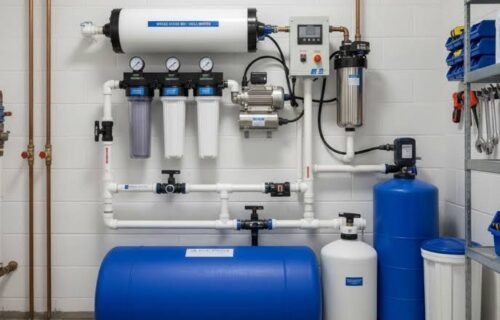
Sediment filters can help capture particles that may affect water clarity or clog equipment. Iron treatment systems may be used to address staining and metallic characteristics. Carbon filtration can improve certain tastes and odors. Reverse osmosis systems are often used at a point of use for drinking water and may reduce various dissolved substances, depending on the system.
UV treatment can also play a role in certain situations where microbial concerns need to be addressed.
Sometimes a single system is enough. Other homes may need a combination.
For example, a homeowner might install whole-home treatment for general water concerns while using a separate drinking water system in the kitchen. Another household may only need sediment filtration and softening.
The point isn’t to install as much equipment as possible. More equipment doesn’t automatically mean better water. The goal is to use the right tools for the job.
Don’t Forget About Maintenance
Water treatment equipment isn’t something you install and completely forget forever.
Filters need to be replaced. Certain systems may require cleaning, servicing, or periodic adjustments. A softener may need salt replenishment, depending on the type of unit and how much water the household uses.
These are normal parts of owning a treatment system, but they should be considered before making a purchase.
It’s worth asking practical questions: How often will filters need replacement? What are the expected annual maintenance costs? Is professional service recommended? How long should the equipment last?
Sometimes the lowest upfront price isn’t the best long-term value. A system that costs slightly more but is reliable, properly sized, and easy to maintain may save money and frustration over time.
Water Conditions Can Change Over Time
Another important point is that well water isn’t always completely predictable.
A test performed years ago may not represent the water quality today. Environmental changes, flooding, drought, well repairs, or changes in nearby land use can potentially affect groundwater conditions.
For that reason, periodic testing is a sensible part of responsible well ownership. If you notice a sudden change in taste, smell, color, or water pressure, it’s especially worth investigating rather than simply hoping the problem disappears.
Your water system is part of your home, just like the roof, heating equipment, or plumbing. Giving it occasional attention can help prevent small concerns from turning into bigger headaches.
A Better Water Experience Starts With Understanding
There’s no need to overcomplicate well water. The process usually comes down to a few sensible steps: notice the signs, test the water, understand the results, and choose treatment that matches the actual problem.
That approach can lead to cleaner fixtures, easier laundry, better-tasting drinking water, and greater confidence in what your household uses every day.
Well water can be a dependable and valuable resource, but like many things around the home, it benefits from a little care and attention. The smartest investment often isn’t simply buying the most expensive system on the shelf.
It’s learning what your water needs first.
Once you understand that, choosing the right treatment becomes much less of a guessing game—and getting better water at home starts to feel surprisingly simple.