Better Water Starts With the Right Treatment Plan for Your Home or Business
Water is easy to take for granted. We turn on a tap, fill a glass, start the washing machine, and move on with the day. But when water leaves spots on dishes, creates scale around faucets, smells strongly of chlorine, or simply doesn’t taste right, it becomes hard to ignore.
The tricky part is figuring out what to do about it. There are softeners, filters, reverse osmosis systems, conditioners and plenty of products making big promises. Choosing between them can feel a little like standing in a hardware store with ten nearly identical boxes in front of you.
A better approach is much simpler: understand your water first, then choose a treatment solution that actually fits your needs.
Every Water Problem Has a Different Story
Not all water-quality problems are the same. Hard water, for instance, is largely associated with dissolved calcium and magnesium. These minerals can create scale on fixtures and appliances, make soap harder to rinse, and leave those annoying white marks on glassware.
Other homes may deal with sediment, unpleasant tastes, odors, iron staining, chlorine, or specific contaminants that require specialized treatment.
That’s why buying the biggest or most expensive filter isn’t necessarily the smartest move. If the system isn’t designed for the problem in your water, you’re spending money without solving much.
Start With Personalized Water Testing
A good treatment plan begins with information rather than assumptions. personalized water testing can help identify the characteristics of your home’s water and provide a clearer picture of what treatment may actually be necessary.
Testing can examine factors such as hardness, pH, chlorine, iron, dissolved solids, and other water-quality indicators. The exact testing needed depends on your water source and local conditions.
This step is especially useful for homeowners using private wells. Well water can vary significantly from one property to another, and changes can occur over time. A test provides a useful starting point instead of relying on taste, appearance, or a neighbor’s recommendation.
It’s a small step, really, but it can prevent a surprisingly expensive mistake.
Why Professional Guidance Can Make a Difference
Water treatment isn’t only about buying equipment. Installation, sizing, maintenance, and system compatibility all matter.
A professional can look at your water results, household size, plumbing setup, daily water consumption, and specific concerns before recommending a system. That kind of assessment can help prevent a common problem: installing a system that works well in theory but isn’t properly sized for the home.
For example, a filtration system may need to handle several showers, appliances, and faucets operating around the same time. Flow rate matters. Pressure matters. Filter capacity matters.
Those details aren’t very exciting, admittedly. But they become important when your shower suddenly has disappointing water pressure.
Water Treatment for Homes and Businesses
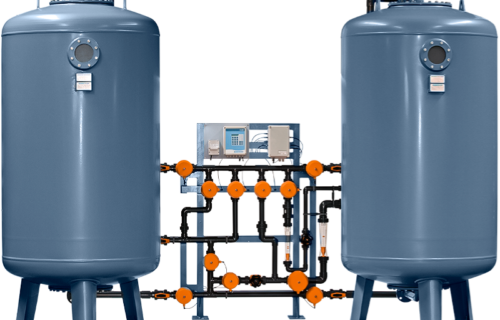
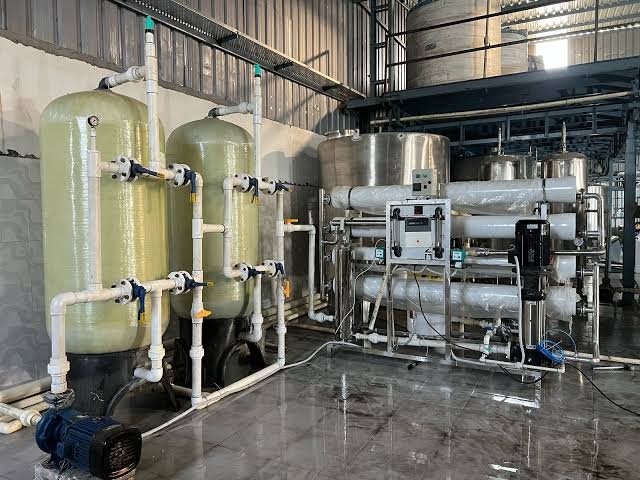
Residential water treatment is only one side of the picture. Offices, restaurants, hotels, healthcare facilities, manufacturing operations, and other commercial properties may have much larger and more complicated requirements.
Full-Service Home & Commercial Water Treatment can provide a broader approach by addressing everything from initial water testing and system selection to installation and ongoing maintenance.
Commercial systems often need to handle higher volumes and specific operational requirements. A restaurant, for instance, may care about water quality because it affects cooking, beverages, dishwashing, and equipment. A manufacturing facility might have completely different requirements.
The point is that water treatment should be built around how the water is actually being used.
Don’t Ignore Hard Water
Hard water is one of those problems people sometimes accept as “just the way water is.” It doesn’t have to be.
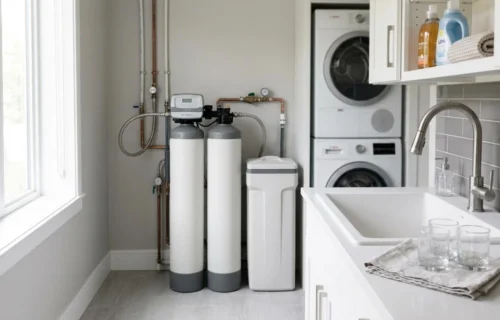
A properly selected water softener can reduce calcium and magnesium through ion exchange, helping limit scale formation. You may notice easier cleaning, better soap performance, and less buildup on plumbing fixtures.
There’s also an appliance angle. Mineral scale can accumulate inside water heaters and other equipment, potentially affecting efficiency over time.
Of course, softeners aren’t appropriate for every water problem. They are designed primarily for hardness, not as a universal solution for every contaminant. Again, testing comes first.
Financing and Ownership Options
The upfront cost of professional water treatment can make some homeowners hesitate. Quality equipment, installation, and ongoing service aren’t always a tiny investment.
For certain customers, Rent with Option to Purchase programs may provide another way to access treatment equipment without paying the entire purchase price immediately.
The details of these arrangements can vary, so it’s important to understand the contract. Ask about monthly payments, maintenance responsibilities, purchase terms, cancellation conditions, and the total cost over time.
A financing or rental option should make ownership or access easier—not make the agreement confusing.
Think Beyond the Installation Day
A water treatment system is only useful if it continues working properly.
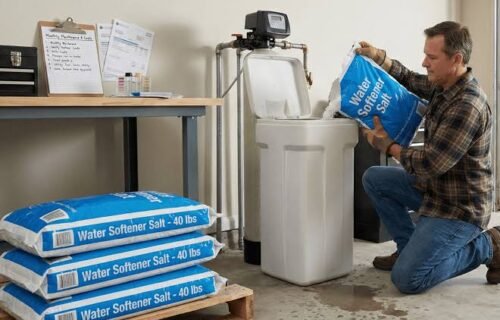
Filters have replacement schedules. Softening systems may require salt or other supplies. Certain equipment needs regular inspection or professional servicing. Neglecting these tasks can gradually reduce performance.
Before choosing a provider, ask what ongoing maintenance looks like. Find out how often filters need replacement, what parts typically cost, and whether service technicians are available locally.
A dependable support system can be worth just as much as the equipment itself.
Choosing the Right Solution for Your Property
There’s no universal “best” water treatment system. The right choice depends on your water source, test results, property size, usage patterns, budget, and personal priorities.
A homeowner concerned mainly about hard water may need a softener. Someone focused on drinking-water quality could benefit from a point-of-use filtration system. A larger property with concerns throughout the plumbing system may need whole-home treatment.
Businesses often require even more customized solutions because water quality can directly affect operations and equipment.
The smartest decision is usually the one based on evidence, not advertising.
Cleaner Water Is a Long-Term Investment
Water treatment isn’t particularly glamorous. Nobody throws a party when a new filter is installed. Yet the difference can become noticeable in all those small everyday moments—cleaner-looking fixtures, better-tasting water, fewer mineral deposits, and greater confidence in what comes from the tap.
The process doesn’t need to be complicated. Test your water, understand the problem, compare appropriate technologies, consider installation and maintenance, and choose a provider willing to explain the details.
Whether you’re managing a family home or a busy commercial property, good water treatment is ultimately about making everyday water work better for you.
And that’s a worthwhile investment—not just in equipment, but in comfort, convenience, and peace of mind.