Choosing the Right Water Treatment for Cleaner, Better-Tasting Water
Water is one of those everyday things we tend to take for granted. We turn on a tap, fill a glass, make coffee, wash vegetables, and get on with the day. But when the water tastes odd, leaves mineral marks on fixtures, or simply doesn’t feel as clean as it should, you start paying attention.
The good news is that there are several ways to improve household water quality. The trick is figuring out what your water actually needs instead of buying the first filtration system that happens to look impressive. Different homes have different water sources, different problems, and different expectations.
Start by Understanding Your Water
Before choosing any treatment system, it helps to know what’s actually in your water.
Municipal water and private well water can have very different characteristics. Even homes in the same neighborhood may experience differences because of plumbing, storage tanks, pipes, or other factors.
A basic water test can reveal things that aren’t obvious from taste or appearance. Depending on the source, testing may look for minerals, sediment, bacteria, metals, hardness, or other contaminants.
This step might seem a little boring, but it can save you from spending money on equipment you don’t really need.
Why Drinking Water Quality Matters
Most people naturally want their drinking water to taste fresh and clean. Nobody wants to wonder whether that strange taste is coming from the water itself or from an old filter that should have been replaced months ago.
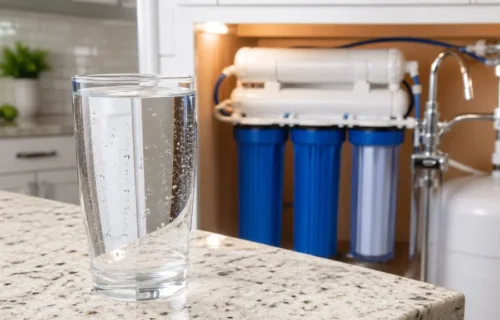
For households concerned about specific contaminants, RO Drinking Water systems can be an option worth exploring. Reverse osmosis uses a membrane-based filtration process designed to reduce a range of dissolved substances from water.
However, RO isn’t automatically the perfect answer for every home. It’s important to understand what contaminants are present first and choose a system designed to address those particular concerns.
Good water treatment starts with the problem, not the product.
Whole-Home Filtration Has a Different Purpose
A drinking-water filter and a whole-house system aren’t quite the same thing.
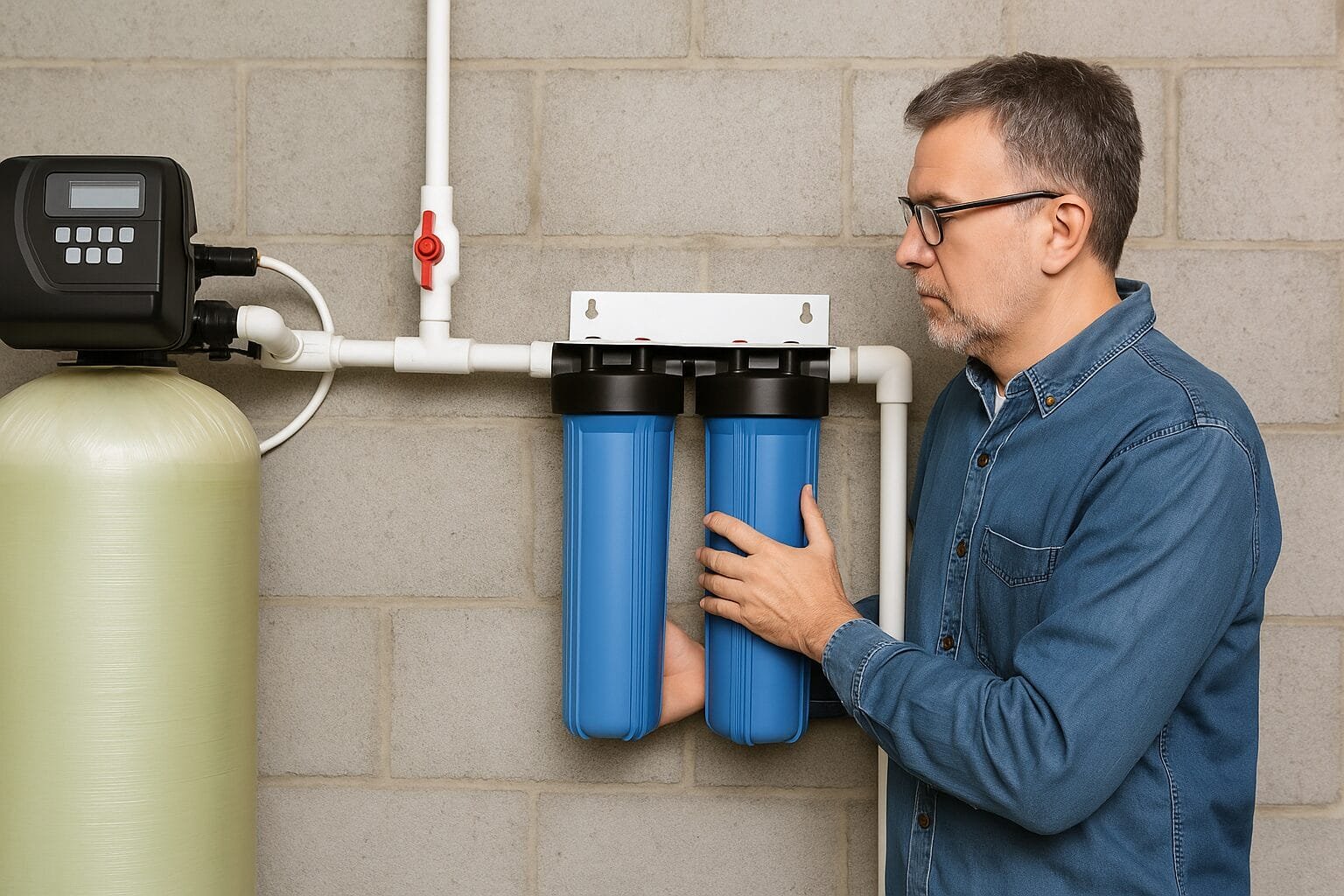
A countertop or under-sink system generally treats water at one specific point. A Whole-Home Filtration system, on the other hand, is installed so treated water can be supplied throughout the house.
That can be useful when the goal goes beyond drinking water. You may want cleaner water for showers, laundry, cooking, and other everyday activities.
For example, if sediment is affecting several fixtures, treating water at a single kitchen faucet won’t solve the problem everywhere else. A whole-home approach may make more sense in that situation.
The right choice depends on your water source and what you’re trying to improve.
Well Water Deserves Extra Attention
Private wells can provide excellent water, but homeowners have more responsibility for monitoring them because there isn’t always a municipal treatment system between the source and the household tap.
Changes in weather, groundwater conditions, nearby land use, or the condition of the well itself can influence water quality.
That’s why Well Water Treatment often needs to be tailored to the results of actual water testing. One well may have excessive hardness, while another may have iron, sulfur-related odors, sediment, or microbiological concerns.
There’s no one-size-fits-all solution. A system that works beautifully for one well might do very little for another.
Don’t Ignore Hard Water
Hard water isn’t usually considered a health emergency, but it can certainly be annoying.
Minerals such as calcium and magnesium can create scale on faucets, showerheads, appliances, and plumbing components. You may also notice that soap doesn’t lather quite as easily or that dishes come out with spots.
If hardness is the main issue, a water softener may be more appropriate than a standard filtration system.
This is an important distinction because filtration and softening solve different problems. Choosing the wrong equipment can leave you disappointed even if the product itself is perfectly good.
Filters Need Maintenance Too
Installing a water treatment system isn’t the end of the story.
Filters need to be changed. Membranes may require replacement. Storage tanks and other components can need periodic inspection. Some systems also need sanitizing or professional servicing.
Ignoring maintenance can reduce performance and, depending on the system, potentially create new water-quality concerns.
It’s worth asking about maintenance costs before buying. A system that looks inexpensive initially might become considerably more expensive if replacement filters are costly or difficult to find.
A little planning goes a long way.
Be Careful With Big Promises
Water treatment marketing can sometimes get carried away. You may see claims suggesting that one system can solve every possible water problem.
Take those promises with a grain of salt.
A reputable provider should be able to explain what a system is designed to remove or reduce, what it doesn’t address, and how its performance is measured. Ask for specifications and certifications where relevant.
You don’t need to understand every technical detail. You just need enough information to avoid making a decision based entirely on flashy advertising.
Think About Your Household
Your water treatment needs should fit your lifestyle.
A small household with relatively clean municipal water may need something simple. A larger family with private well water and several specific water-quality issues may require a more comprehensive setup.
Think about water usage, available installation space, maintenance, future costs, and the age of your plumbing.
Also consider whether you’re planning to stay in the home for years. A long-term investment can make sense if the system solves a persistent problem and is properly maintained.
Better Water Starts With the Right Information
There’s no magic machine that automatically makes every water problem disappear. The smartest approach is much simpler: test the water, identify the issue, understand your options, and then choose equipment that actually matches those needs.
Whether you’re concerned about drinking water, mineral buildup, unpleasant odors, or the quality of private well water, the goal should always be the same — practical treatment that works without unnecessary complication.
Clean water shouldn’t be mysterious. With the right information and a properly selected system, you can make your home’s water more pleasant, more manageable, and better suited to the people who rely on it every single day.