Choosing the Right Water Treatment Equipment for a Better Everyday Experience
Water is involved in almost every part of life at home, yet most of us don’t think much about it when everything seems normal. You wake up, brush your teeth, make coffee, take a shower, run the dishwasher, and fill a glass without giving the water itself a second thought.
Then, one day, you start noticing things.
Maybe there are white marks on the shower glass that never seem to disappear. Your dishes come out of the dishwasher looking cloudy. Soap doesn’t lather the way you expect, or the tap water has a taste that makes bottled water seem more appealing.
These little things can slowly become part of daily life. People often try changing detergents, buying stronger cleaning products, or adding another filter to the kitchen faucet. Sometimes that helps. Sometimes it doesn’t, because the real issue hasn’t been identified yet.
Choosing water treatment equipment should begin with understanding the problem. There’s no single system that magically solves every water concern. Different homes have different water sources, usage patterns, plumbing systems, and expectations. What works beautifully for one family may be completely unnecessary for another.
That’s why a little knowledge goes a long way.
Start With the Water You Already Have
Before comparing brands, features, or prices, it makes sense to understand the characteristics of your household water. Hardness, sediment, taste, odor, minerals, and other factors can influence which type of treatment may be useful.
This first step is often skipped because, frankly, shopping for equipment feels more exciting than testing or evaluating water. But buying a system before understanding the issue can be a bit like buying medicine without knowing what’s causing the problem.
A homeowner may assume they need a drinking water filter when the biggest concern is actually hardness. Another family may install a large treatment system when their only real complaint is the taste of water from the kitchen faucet.
Knowing what you want to improve makes the entire process easier. You don’t need to become a water chemistry expert, either. A basic assessment and an honest conversation about your household needs can provide a much clearer starting point.
When Hard Water Becomes a Daily Frustration
Hard water is one of the more common reasons homeowners begin exploring treatment options. The effects aren’t always dramatic. Instead, they tend to show up gradually.
You might notice mineral deposits around faucets. The showerhead becomes harder to clean. Towels can feel rough after washing, and glassware may develop spots or a dull appearance. Even getting a good lather from soap can become a small but repeated annoyance.
This is where Water Softener Equipments may provide a practical solution, depending on the specific characteristics of the incoming water. These systems are designed to address hardness-causing minerals and can help reduce some of the everyday effects associated with hard water.
The benefits often feel surprisingly ordinary, which is actually the point. Cleaning may become easier. Laundry may feel softer. Fixtures can require less attention. Over time, those small improvements can make the investment feel worthwhile.
Of course, bigger isn’t automatically better. The right equipment should be suitable for the household’s water conditions and daily demand. A large family using significant amounts of water may have different requirements from a smaller household with only one or two residents.
Filtration Is About More Than Just Taste
When people hear the word “filtration,” they often picture a small cartridge attached to a faucet. That can be useful in some situations, but water filtration covers a much wider range of needs.
Different systems are designed for different purposes. Some focus on reducing sediment. Others may address certain substances that affect taste, odor, or the overall experience of using water. The correct choice depends on what the water contains and what the homeowner hopes to improve.
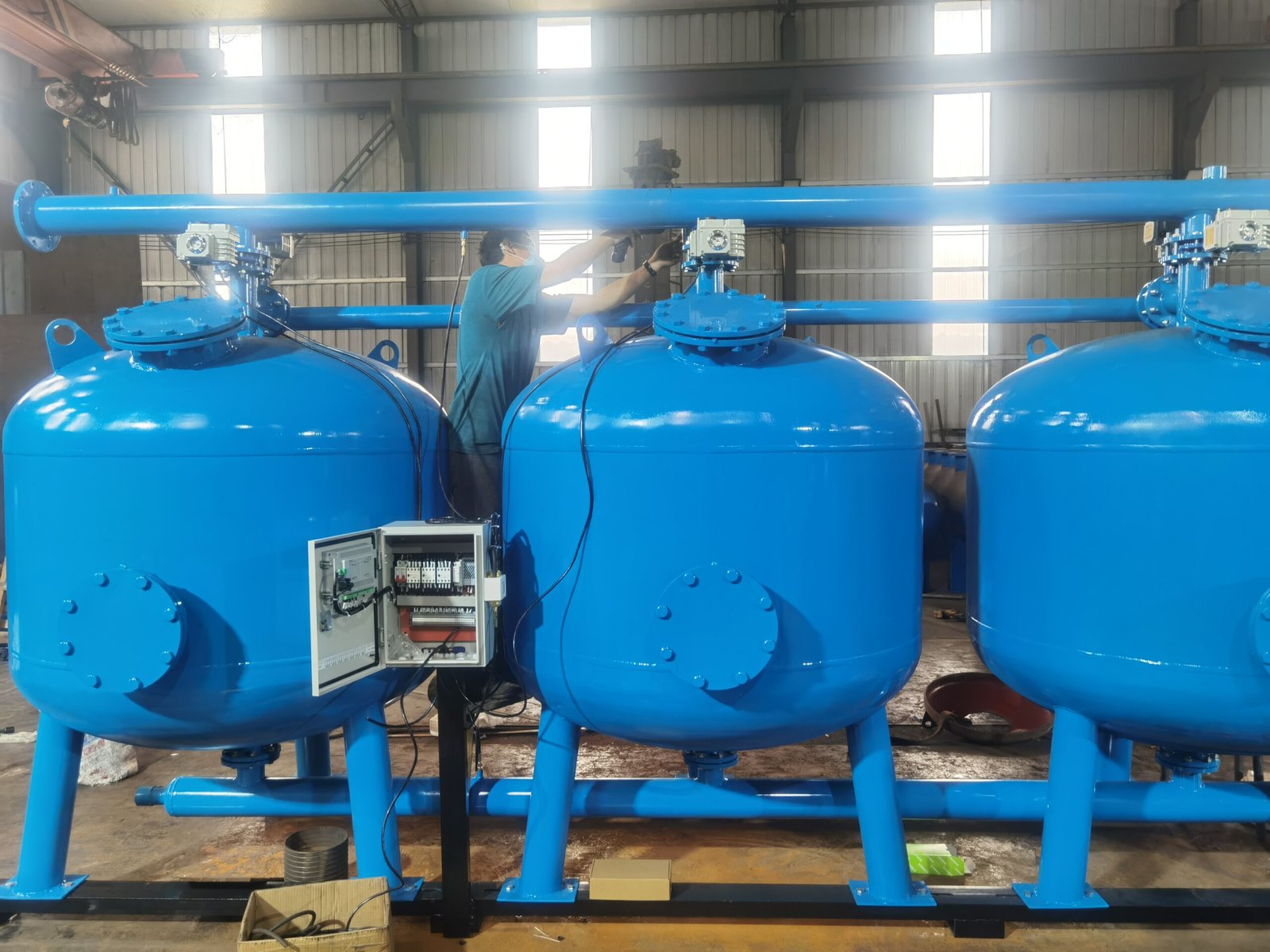
Quality Water Filtration Equipment should be selected with a specific purpose in mind rather than simply because it has the longest list of features on the box.
That’s an easy trap to fall into. More stages, more filters, more buttons—surely that means better water, right?
Not necessarily.
A system should address an actual need. Adding unnecessary complexity can mean more maintenance, more replacement parts, and more confusion later. Sometimes a straightforward solution is the best one.
For whole-home applications, the goal may be improving water used for bathing, cleaning, and appliances. In other cases, filtration may only be needed at a particular point of use, such as the kitchen sink.
It all comes back to understanding what you’re trying to solve.
Better Drinking Water at the Point Where You Need It
For many households, drinking water is a separate concern from the water used throughout the rest of the home. Someone may be perfectly satisfied with the water for showers and laundry while still wanting cleaner-tasting water for drinking, coffee, tea, or cooking.
A Reverse Osmosis Drinking Station Equipment setup may be considered when a household wants a dedicated solution for drinking water. Reverse osmosis systems use a membrane-based process that can reduce certain dissolved substances, depending on the system and water conditions.
The appeal is usually simple: people want water they enjoy drinking.
Think about how often water appears in everyday food and beverages. Coffee is mostly water. So is tea. Soups, pasta, smoothies, and countless other meals all depend on it. Even a subtle change in taste can be noticeable once you start paying attention.
A dedicated drinking water system can also offer convenience. Instead of constantly buying, carrying, and storing bottled water, homeowners may prefer having treated water available directly from a designated faucet or station.
Still, it’s important to choose equipment based on actual requirements. Not every home needs the same level of treatment, and not every concern calls for reverse osmosis.
Don’t Forget the Practical Side of Ownership
Water treatment equipment is not something you should think about only on installation day. Maintenance, service, replacement filters, and long-term support all deserve some attention before making a decision.
Ask simple questions.
How often does the system need service? Are replacement components easy to obtain? Who handles repairs? What happens if water usage changes as your family grows or your household routine shifts?
These details may not sound exciting when you’re comparing new equipment, but they matter months and years later.
A good system should fit naturally into your home. It shouldn’t feel like another complicated machine that constantly demands attention. The best setups often work quietly in the background, doing their job while you get on with yours.
That reliability can be more valuable than a long list of fancy features.
One Home, One Set of Needs
There’s a reason water treatment shouldn’t be treated as a copy-and-paste decision.
Picture two households. One is a busy family with children, multiple bathrooms, daily laundry, and a dishwasher running almost every night. The other is a retired couple living in a smaller home with much lower water usage.
Their water needs may be completely different.
The same goes for homes supplied by different sources. Water conditions can vary based on location, plumbing, and the source itself. A recommendation that makes sense for one property may not be ideal for another just down the road.
That’s why the best approach usually involves looking at the complete picture rather than focusing on a single product.
A Better Water Experience Doesn’t Have to Be Complicated
The world of water treatment can feel technical at first. There are filters, tanks, membranes, minerals, flow rates, service schedules, and plenty of unfamiliar terminology.
But the homeowner’s goal is usually much simpler.
They want water that feels better to use. They want fewer stubborn spots on dishes and fixtures. They may want softer laundry, less buildup, or drinking water with a cleaner, more enjoyable taste.
Those are everyday goals, and the equipment you choose should support them without adding unnecessary hassle.
The smartest place to begin is with a clear understanding of your water and your household. Identify what bothers you, learn what may be causing it, and then consider the equipment designed to address that particular issue.
In the end, choosing the right water treatment solution isn’t about buying the most complicated machine on the market. It’s about making an informed decision that fits your home, your routine, and the way you actually live.
And when the right system is in place, chances are you’ll stop thinking about your water altogether—which, honestly, is probably the best result anyone could ask for.