Choosing the Right Water Treatment Technology for Cleaner, Better-Tasting Water
Water quality isn’t always as simple as looking into a glass and deciding whether it seems clean. Some water concerns are obvious, while others involve dissolved minerals, microorganisms, chemicals, or substances that aren’t visible at all. That’s why modern water treatment often relies on different technologies, each designed to address a particular challenge.
For homeowners, businesses, and facilities with more demanding requirements, understanding the difference between treatment options can make the selection process much easier. The goal isn’t to install every available technology. It’s to choose the equipment that actually matches the water and the way it will be used.
When Reverse Osmosis Makes Sense
Among the most widely recognized purification technologies are reverse osmosis systems. These systems use pressure to push water through a semipermeable membrane, allowing water to pass while reducing many dissolved substances.
genui{“learning_viz”:{“type_id”:”OSMOSIS”,”locale_override”:”en-US”}}
Reverse osmosis is often used for drinking and cooking water because it can significantly reduce a broad range of dissolved contaminants, depending on the membrane and system design. It’s commonly installed under a kitchen sink, although larger systems are available for other applications.
One thing worth remembering, though, is that reverse osmosis isn’t necessarily the answer to every water-quality problem. A good system may include pre-filtration to protect the membrane and improve overall performance. Proper installation and maintenance matter, too.
Understanding Ultraviolet Water Treatment
Not every water concern is about minerals or dissolved substances. Microbiological safety can be an entirely different matter.
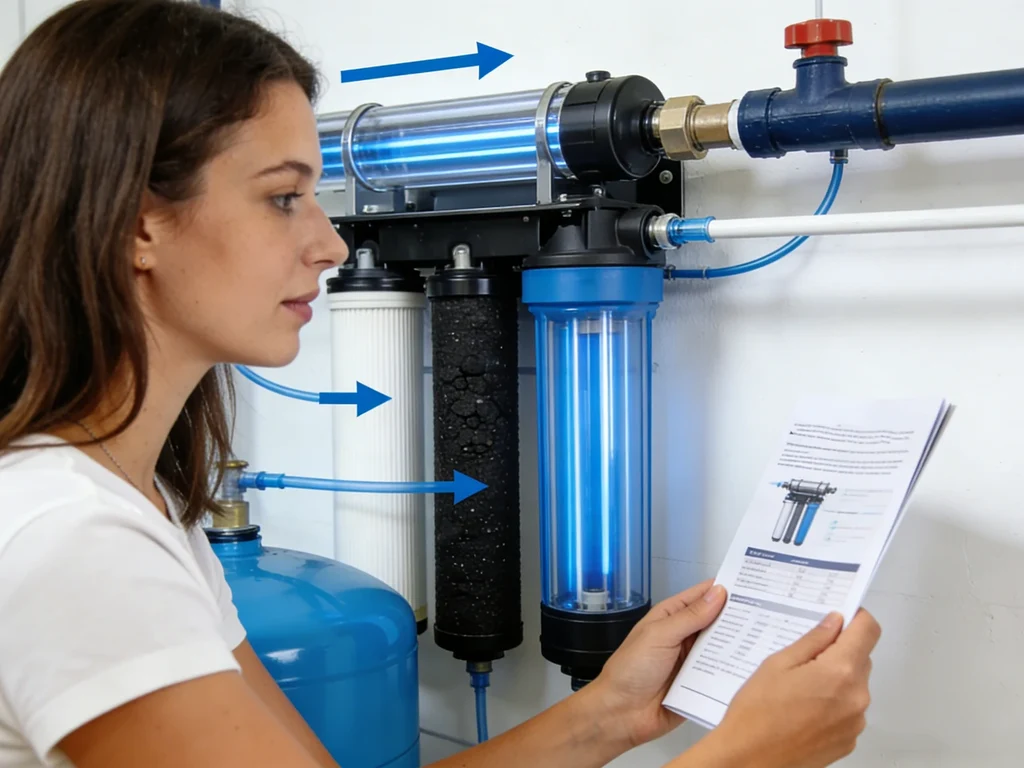
Ultraviolet light systems use UV energy to help inactivate microorganisms as water passes through the treatment chamber. Unlike chemical disinfection, UV treatment doesn’t rely on adding a disinfectant to the water.
This makes UV technology particularly interesting for certain private wells and other applications where microbiological concerns need to be addressed. However, UV systems generally work best when the water is appropriately pretreated. Excessive sediment or cloudiness can interfere with UV exposure, which is why filtration may be used beforehand.
UV treatment also requires electricity and periodic maintenance, including attention to the lamp and system components.
Specialty Systems for Unusual Water Challenges
Some water problems don’t fit neatly into the categories of hardness, chlorine, or general filtration. A property may have a specific contaminant or application requirement that calls for a more targeted approach.
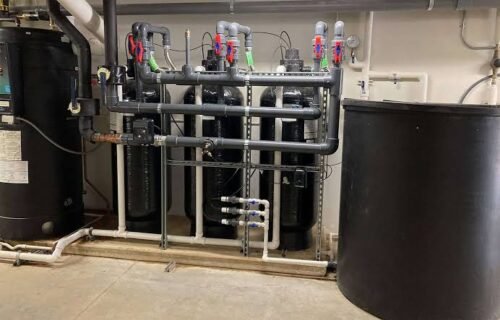
That’s where specialty systems can be useful. Depending on the water analysis and intended application, specialized treatment may be designed to address particular minerals, metals, chemical compounds, or process-water requirements.
For example, a home with a specific well-water issue could require a treatment system selected around that individual problem. A commercial or industrial facility may need something considerably more technical because the treated water is being used as part of a production process.
The key is to avoid guessing. Specialty treatment should be based on testing and a clear understanding of the desired outcome.
One Technology Doesn’t Always Do Everything
A common misconception is that a single filter or purifier should handle every possible water concern. In reality, water treatment often works best as a sequence.
Imagine water containing sediment, hardness, and a microbiological concern. A professional might recommend multiple treatment stages, with each component handling a different part of the problem.
Pre-filtration can protect downstream equipment. A softener or conditioning system may address hardness. UV can target microorganisms. Reverse osmosis can provide highly treated water for a specific drinking-water application.
The exact combination depends on the water. There’s no universal recipe, and that’s actually a good thing.
Start With Testing
Before investing in treatment equipment, have the water properly evaluated. Testing can reveal characteristics that aren’t obvious from taste or appearance.
For example, water that tastes fine could still contain elevated levels of certain dissolved substances. Likewise, cloudy water may point toward sediment or other issues that should be investigated before selecting a treatment system.
Testing provides a starting point. From there, a qualified water-treatment professional can explain which technologies are appropriate and which ones may simply add unnecessary expense.
Consider How the Water Will Be Used
Drinking water and industrial process water have very different requirements.
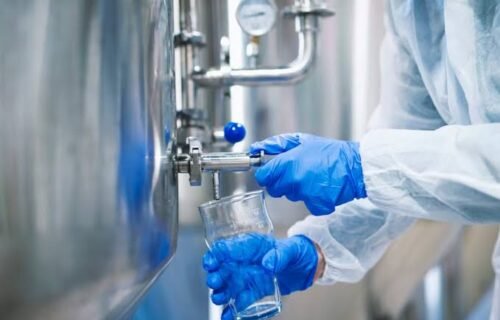
A homeowner may want better-tasting water at the kitchen faucet, while a restaurant may need reliable water for food preparation and cleaning. A manufacturing facility might require carefully controlled water chemistry for equipment or production processes.
That’s why treatment capacity matters just as much as treatment technology. Flow rate, daily water consumption, peak demand, installation space, maintenance requirements, and operating costs should all be considered.
A beautifully designed system that cannot keep up with demand isn’t a good system.
Maintenance Is Part of the Solution
Even high-quality water treatment equipment needs attention. Filters need replacement, membranes need care, UV lamps have service requirements, and specialized equipment may require periodic inspection.
Ignoring maintenance can reduce performance and, in some cases, shorten the life of the system.
It’s worth asking about maintenance before purchasing. Find out what needs to be replaced, how often it should happen, and whether professional servicing is recommended. Knowing these details upfront makes ownership much easier.
Better Treatment Starts With Better Decisions
Water treatment technology has come a long way, but choosing the right system still comes down to something fairly simple: understand the water and understand the goal.
Reverse osmosis can provide highly treated drinking water. Ultraviolet treatment can help address microbiological concerns. Specialty equipment can tackle unusual or application-specific problems. Sometimes, several technologies work together to provide a more complete solution.
Rather than chasing the latest equipment or choosing a system based solely on a long list of claims, focus on what your water actually needs. With proper testing, thoughtful system design, and regular maintenance, water treatment becomes less about complicated machinery and more about something wonderfully ordinary — having water you can feel confident using every day.