Smarter Water Solutions: How Modern Systems Improve Everyday Water Quality
Water is one of those things most people don’t think much about until something goes wrong. A strange taste, cloudy appearance, hard-water buildup around the tap, or an unpleasant smell can quickly turn an ordinary household task into a frustrating experience. Fortunately, modern water technology has come a long way. Today, homeowners, businesses, and industrial facilities can choose from a wide range of solutions designed to make water cleaner, safer, and more practical to use.
The right solution isn’t always about buying the biggest or most expensive system, either. It starts with understanding what’s actually in the water and what you need it to do.
Understanding What Affects Your Water
Water quality can vary dramatically from one location to another. Municipal water supplies are treated before reaching homes, but that doesn’t mean every household receives water with identical characteristics. Old plumbing, storage tanks, groundwater sources, minerals, and environmental factors can all influence the final water that comes out of a tap.
Common concerns include sediment, chlorine taste, hardness, iron, unpleasant odors, and certain dissolved contaminants. Some issues are mostly aesthetic, while others may require more serious attention.
That’s why testing the water is a smart first step. Instead of guessing which filter might work, a basic water analysis can help identify the specific problem. Once you know what you’re dealing with, choosing a treatment approach becomes much easier.
Why Modern Water Treatment Matters
Clean water isn’t only about drinking. We use it for cooking, bathing, washing clothes, cleaning, and countless other daily activities. Poor-quality water can also affect appliances and plumbing over time.
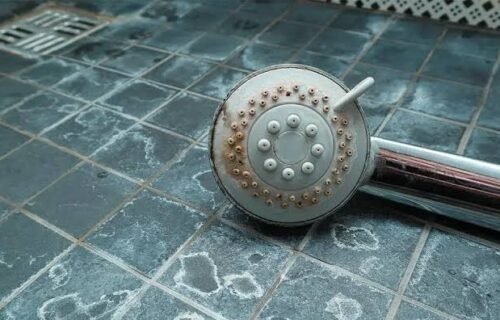
Hard water, for example, can leave mineral deposits on fixtures and inside pipes. It may also make soap less effective and leave clothes feeling rough after washing. Sediment can clog filters and plumbing components, while certain odors or tastes can make drinking water less appealing.
Modern water treatment systems are designed to address these kinds of concerns through different methods. Depending on the situation, a system may use sediment filtration, activated carbon, water softening, reverse osmosis, ultraviolet treatment, or a combination of technologies.
There isn’t one universal system that works perfectly for every property. That’s an important point, and one that’s sometimes overlooked.
Choosing Advanced Technology Wisely
Technology has made water management considerably more efficient. Many newer systems are designed with better filtration performance, improved monitoring, and easier maintenance in mind.
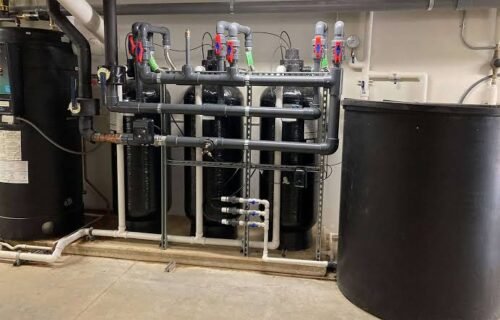
For larger properties and commercial applications, advanced water systems can provide more customized solutions. These may include automated filtration, treatment controls, pressure management, and monitoring equipment that helps operators understand how a system is performing.
Smart technology is becoming useful here, too. Some systems can provide alerts when filters need replacement or when performance changes unexpectedly. For a busy business or facility manager, that little bit of automation can save a surprising amount of time.
Still, advanced doesn’t automatically mean better. A complicated system installed for a simple water problem can create unnecessary costs and maintenance. The best technology is usually the technology that fits the actual need.
Residential Water Solutions
For homeowners, water treatment can range from a simple point-of-use filter to a whole-house setup. The right choice depends on the source of the water and the concerns identified during testing.
A kitchen filtration system may be enough for someone primarily concerned about drinking and cooking water. On the other hand, a household dealing with hard water throughout the property might benefit from a whole-house softening or filtration solution.
Reverse osmosis systems are another popular option, particularly for drinking water. They use a specialized membrane to reduce many dissolved substances from water. However, they also produce wastewater and require filter and membrane maintenance, so homeowners should understand how the system operates before installation.
Commercial and Industrial Needs
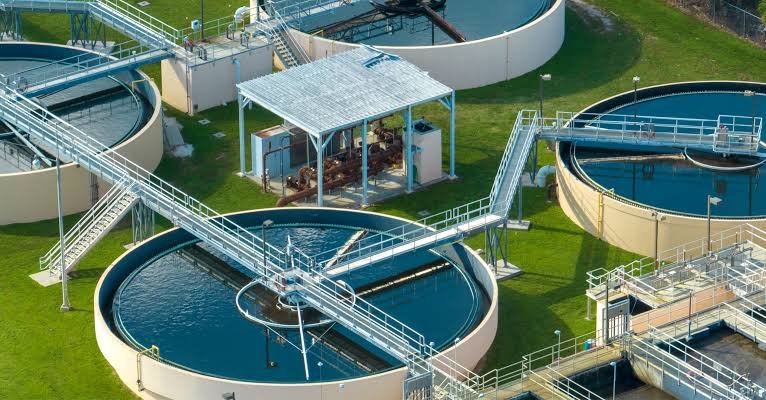
Businesses often have more demanding water requirements than individual households. Restaurants, hotels, healthcare facilities, manufacturing plants, offices, and agricultural operations may use large amounts of water every day.
In these settings, treatment isn’t simply about taste. Water can directly affect equipment, production processes, sanitation, and operating costs. A restaurant, for instance, may need consistent water performance for cooking and cleaning, while an industrial facility may require highly controlled water for a specific manufacturing process.
This is where professionally designed treatment solutions become especially valuable. Engineers and water specialists can evaluate usage patterns, source water, equipment requirements, and discharge considerations before recommending an appropriate setup.
Maintenance Is Part of the Solution
Even the best filtration equipment won’t perform indefinitely without care. Filters become saturated, membranes eventually need replacement, and mechanical components can wear out.
Regular maintenance helps keep a system working as intended. It can also prevent small issues from becoming expensive repairs. Homeowners should follow the manufacturer’s replacement schedule, while commercial operators may need a more detailed maintenance program.
It’s easy to forget about equipment when everything is working normally. That’s actually when maintenance matters most.
Looking Beyond Filtration
Water management isn’t only about removing unwanted substances. In many situations, conservation and efficiency are equally important.
Modern systems can be designed to reduce unnecessary water waste, improve treatment efficiency, and monitor consumption. For businesses facing high utility bills, even modest improvements can add up over a year.
There is also a growing interest in sustainable water practices, including rainwater collection, wastewater reuse, and efficient irrigation. These approaches don’t replace conventional treatment in every situation, but they can complement it and reduce pressure on available water resources.
A Better Approach to Water
Good water management begins with a simple idea: understand the problem before choosing the solution. Testing the source, identifying contaminants or mineral concerns, considering how the water will be used, and planning for maintenance can make a significant difference.
The goal isn’t necessarily to install the most sophisticated equipment available. It’s to create a practical system that delivers reliable results without unnecessary complexity.
Water is essential, and the systems we use to manage it deserve thoughtful attention. Whether you’re improving drinking water at home, protecting expensive commercial equipment, or designing a larger industrial process, today’s technology offers plenty of options. With the right assessment and a sensible approach, cleaner and more dependable water doesn’t have to be complicated.
In the end, better water isn’t just about what’s removed from it. It’s about creating a system that works quietly, efficiently, and reliably in the background — exactly as good infrastructure should.