Better Water Starts at Home: A Practical Guide to Choosing the Right Water Treatment System
Clean water is one of those things most people don’t think much about until something changes. Maybe there’s an odd smell coming from the tap, a strange taste in your morning coffee, or white mineral buildup around the sink. Sometimes the problem is obvious. Other times, the water looks perfectly fine but still contains minerals, sediments, or other impurities you’d rather not have around.
That’s where a good water treatment system can make a real difference. The right solution isn’t necessarily the most expensive one, either. It depends on your water source, the problems you’re experiencing, and how much treatment your household or business actually needs.
Understanding What’s in Your Water
Water quality can vary dramatically from one location to another. Municipal water, private wells, and other sources can all have different characteristics. Even two homes in the same neighborhood may experience different issues because of plumbing, water lines, or changes in local supply.
Common concerns include hard water, chlorine taste and odor, sediment, iron, unpleasant smells, and certain naturally occurring contaminants. Hard water, for example, can leave scale on faucets and appliances while making soap less effective. Sediment can affect fixtures and reduce the performance of water-using equipment.
Before buying a system, it makes sense to test the water first. Guessing can lead to spending money on equipment that solves a problem you don’t actually have.
Why Customized Treatment Makes Sense
There’s no universal water filter that’s perfect for every property. A family dealing mainly with hard water has different needs from a business concerned about drinking-water quality or equipment protection.
That’s why customized water solutions can be such a practical approach. Instead of choosing a system simply because it has a long list of features, you can select treatment based on actual water conditions. Depending on the situation, this could involve filtration, softening, reverse osmosis, UV treatment, or a combination of technologies.
It’s a little like buying shoes. You wouldn’t choose hiking boots for a formal dinner just because they’re durable. Water treatment works the same way: the solution needs to fit the job.
Whole-Home Filtration vs. Point-of-Use Systems
One of the biggest decisions homeowners face is whether they need filtration throughout the property or only at specific faucets.
A point-of-use system generally treats water at one location, such as the kitchen sink. This can be useful when the primary goal is better drinking and cooking water.
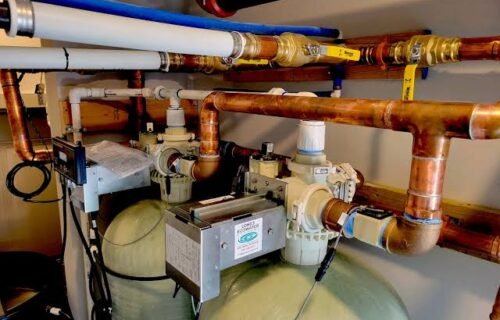
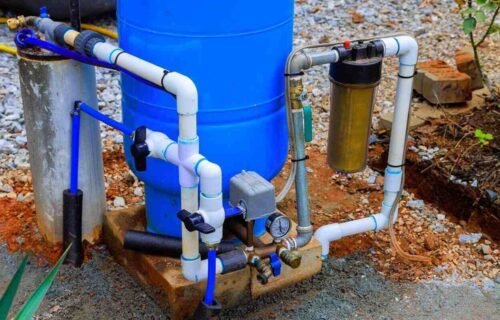
A whole-house approach treats water as it enters the property, allowing filtered water to reach multiple fixtures. For families concerned about water quality throughout the home, whole-home water filtration can provide a more comprehensive option.
There’s no need to overcomplicate the decision. If your concern is limited to drinking water, a smaller system may be enough. If you want treated water for showers, laundry, bathrooms, and appliances as well, broader treatment may be worth considering.
Special Considerations for Southern California
Water conditions deserve particular attention in areas where mineral content, drought conditions, and water supply characteristics can influence everyday water use. For southern california homes & businesses, selecting treatment equipment based on local water conditions can be especially useful.
Hard water is a common concern in many parts of California. Over time, mineral deposits may accumulate inside plumbing and appliances. Water heaters, dishwashers, washing machines, and other equipment can all be affected by scale.
Businesses have additional considerations. Restaurants, offices, hotels, salons, and other commercial properties may use considerably more water than an average household. Poor water quality can affect equipment, maintenance requirements, and even the customer experience.
Don’t Ignore Your Appliances
Water treatment isn’t only about how water tastes when you drink it. Your appliances interact with water every day, sometimes for years.
Mineral deposits can build up inside water heaters and other equipment, potentially reducing efficiency and increasing maintenance needs. Washing machines and dishwashers can also suffer from scale. Even faucets and showerheads can become clogged or develop a dull, chalky appearance.
A suitable treatment system can help reduce these issues. It won’t magically eliminate every maintenance problem, but controlling the specific contaminants responsible for them can make equipment easier to maintain over time.
Choosing the Right Technology
Different treatment technologies perform different jobs.
Water softeners are primarily designed to address hardness caused by minerals such as calcium and magnesium. Sediment filters can capture particles such as sand, dirt, and rust. Carbon filtration is commonly used to improve taste and reduce chlorine and certain organic compounds.
Reverse osmosis systems use a specialized membrane to reduce many dissolved substances and are often used for drinking water. UV systems, meanwhile, are designed to address microorganisms through ultraviolet light rather than chemical treatment.
The important point is simple: technology should follow the water problem, not the other way around.
Installation and Maintenance Matter Too
Even a high-quality system can perform poorly if it’s installed incorrectly or neglected after installation. Filters have replacement schedules, membranes require attention, and some systems need periodic servicing.
Homeowners should understand what maintenance is involved before making a purchase. Ask how frequently filters need changing, what replacement parts cost, and whether professional servicing is recommended.
A slightly more expensive system with straightforward maintenance can sometimes be a better long-term choice than a cheaper system that becomes difficult or costly to maintain.
A Smarter Way to Think About Water Quality
Water treatment doesn’t have to become a complicated project. Start by identifying the problem, test the water when appropriate, and then compare solutions that actually address those conditions.
For some households, a basic filter may be all that’s needed. Others may benefit from softening, advanced filtration, reverse osmosis, or multiple treatment stages. Businesses may need a more robust setup because of higher water consumption and equipment demands.
The best system is rarely the one with the most features. It’s the one that quietly does its job, fits the property, and continues performing without creating unnecessary headaches.
Clean, better-quality water is an everyday investment. Once the right treatment system is in place, it’s easy to forget about it—and honestly, that’s often a sign that you chose well.