The Quiet Damage Happening Inside Your Pipes Right Now
There’s this moment I remember pretty clearly — standing in my kitchen, holding a kettle that had somehow developed a crusty white layer on the inside, and thinking, what on earth is that? Turns out it wasn’t dirt, or rust, or anything gross like I first assumed. It was just… my water. Doing what water does when nobody’s paying attention to it.
Most people don’t think about their water until something forces them to. A stained faucet, a kettle that looks like it’s been through a small chemical event, or that weird tightness on your skin after a shower that no amount of lotion seems to fix. These are all small clues pointing toward the same underlying issue, and once you start noticing them, honestly, you can’t unsee it.
What’s Actually Going On With Your Water
The culprit, more often than not, is hard water. It’s not dangerous, which is the first thing people want to know, and I get it, that’s a fair concern. But it is loaded with dissolved minerals — mainly calcium and magnesium — that build up over time in ways that are more annoying than harmful. Depending on where you live, your water’s hardness level can vary wildly. Some regions barely notice it. Others, like where my in-laws live, deal with it so badly they’ve basically given up trying to keep their glassware spot-free.
It’s a geology thing, mostly. Water picks up minerals as it moves through rock and soil before reaching your tap, and the harder the rock, the harder the water, generally speaking. There’s no way to really avoid it if you live in one of those areas — it’s baked into the local water supply.
The Slow, Sneaky Damage Nobody Warns You About
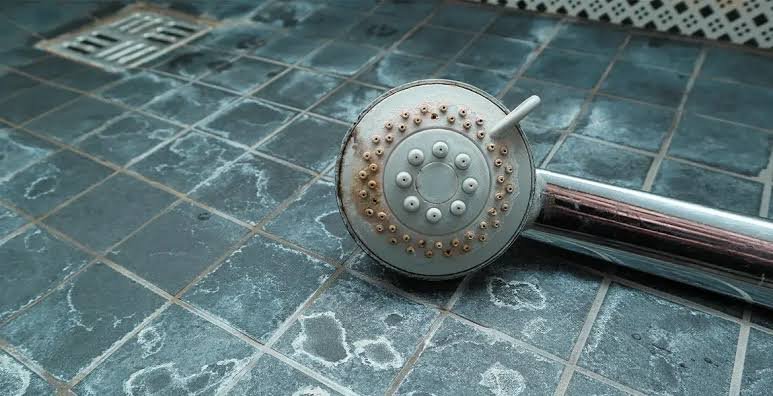
Here’s the part that gets overlooked, though. Over months and years, hard water leaves behind a residue you can’t always see right away, but you’ll definitely feel it eventually — in your water bill, your appliance lifespan, and your patience. That white, chalky residue building up inside pipes, faucets, and appliances is called limescale build-up, and it’s honestly sneakier than people give it credit for.
It clogs pipes gradually, reduces water pressure over time, and forces appliances like water heaters and dishwashers to work harder than they should. I had a water heater die on me two years earlier than it probably should have, and when the technician opened it up, he just kind of laughed and said, “yep, that’s scale.” Cool. Great. Very reassuring in the moment, let me tell you.
The frustrating thing is, limescale doesn’t announce itself loudly. It’s not like a leak where you notice immediately. It just slowly, quietly reduces the efficiency of everything it touches until one day your energy bill’s higher than it used to be and you can’t figure out why.
But Hardness Isn’t the Only Thing to Worry About
Now, hard water and its scale buildup are one category of problem — annoying, expensive, but not really a health issue. There’s a separate concern that’s worth understanding too, and it’s easy to lump the two together even though they’re pretty different.
Depending on your water source, you might also be dealing with harmful contaminants — things like lead from old pipes, bacteria, nitrates from agricultural runoff, or various chemical byproducts from water treatment processes. These aren’t cosmetic issues like scale. They’re the kind of thing worth taking seriously, especially if you’ve got kids in the house or you’re on a private well without regular testing. I didn’t think much about this until a neighbor mentioned her well tested positive for elevated nitrates, and it made me realize how easy it is to assume your water’s fine just because it looks clear and tastes normal.
So What Do You Actually Do About All This
Honestly, the first step is just getting your water tested. It sounds like an obvious answer, and maybe a little anticlimactic, but you can’t fix what you don’t understand, and guessing at solutions wastes both time and money. Most local health departments or water treatment companies offer testing, sometimes for free, sometimes for a modest fee that’s worth every penny in peace of mind.
From there, the fix usually depends on what you’re dealing with. Hardness typically calls for a softening system. Contaminants usually need filtration, sometimes fairly specific filtration depending on what’s actually in your water. It’s not a one-size-fits-all situation, no matter what the guy at the hardware store tells you while trying to sell you the display model.
I’ll admit, I used to think worrying about tap water was a bit much, kind of an overreaction. Now, after dealing with a dead water heater and a kettle that looked like a science experiment, I get it. Your water’s working against you in small ways you don’t notice until you do — and once you do, it’s honestly hard to go back to ignoring it. Test it, understand it, and fix what actually needs fixing. Your pipes, and your patience, will hold up a lot longer for it.