A Smarter Way to Improve Water Quality Throughout Your Home
Water is something we use constantly, yet it’s easy to overlook until there’s a problem. A strange taste in your morning coffee, cloudy spots on the shower glass, or mineral buildup around the kitchen faucet can be enough to make you wonder what’s really happening inside your plumbing.
Improving household water quality doesn’t always require a complicated approach. The key is understanding what your water needs and choosing equipment that addresses those concerns without making everyday life harder. With the right treatment setup, cleaner and more enjoyable water can become part of the normal routine rather than another household project.
Why Whole-Home Water Treatment Matters
A glass of drinking water is only one small part of the picture. Water runs through showers, washing machines, dishwashers, water heaters, faucets, and countless other fixtures every day.
That’s why point-of-use treatment may not always address every concern. If the issue exists throughout the water supply, treating water at the point where it enters the home can provide a more comprehensive approach.
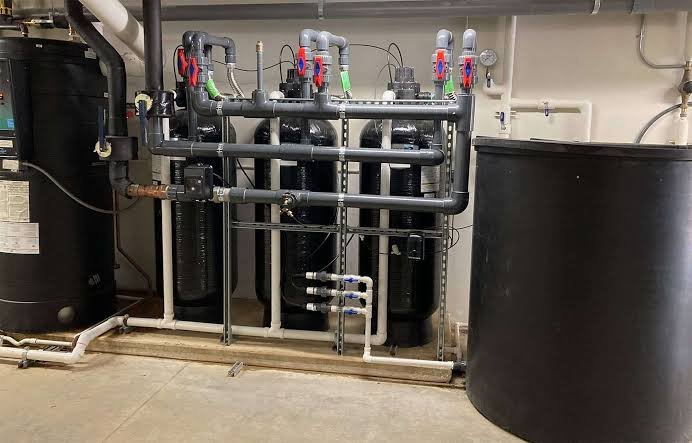
A premier whole home filtration system can be useful for households looking to address water quality across multiple points in the house. The exact benefits depend on the system and the characteristics of the water, so testing first is still a smart move.
Start With a Water Quality Check
Before choosing a treatment system, homeowners should understand what is actually present in their water. Municipal water and private well water can have very different characteristics, and even homes in the same general area may experience different issues.
Hardness, sediment, chlorine taste or odor, and other water-quality concerns can all influence the type of treatment that makes sense.
Testing provides a clearer picture. Instead of buying equipment based on assumptions, you can use the results to focus on the problems that actually need attention.
It may seem like an extra step, but it can prevent you from spending money on technology that doesn’t really solve your household’s main concern.
Finding the Right Filtration Technology
Once you understand your water, the next step is considering the available treatment options. Filtration systems can be designed for different purposes, so it’s important to understand what each one is intended to do.
Some systems focus on reducing sediment and improving taste, while others are designed to address particular water-quality concerns. The right choice depends on the source water, household usage, and the contaminants or characteristics identified during testing.
A well-designed system should fit naturally into your home’s plumbing and daily routine. You shouldn’t have to constantly think about it for it to provide value.
Exploring Advanced Treatment Options
Technology has changed the way homeowners approach water treatment. Modern systems are often designed with convenience, efficiency, and consistent performance in mind.
For households considering a more advanced option, premier xp™ may be worth exploring as part of a broader conversation about household water treatment. The important thing isn’t simply choosing the newest-looking technology. What matters is whether the system is appropriate for your water conditions and household requirements.
Professional guidance can make that decision much easier. A knowledgeable specialist can explain how a particular system works, what it is designed to address, and what kind of maintenance it requires.
Hard Water Can Be a Daily Frustration
Hard water is one of the most common complaints homeowners have about their water supply. Calcium and magnesium can create scale on faucets, showerheads, appliances, and other surfaces.
You might notice white deposits around fixtures or spots on freshly washed dishes. Soap and shampoo may also behave differently, which can make cleaning and bathing feel less satisfying.
Over time, mineral buildup can become more than an appearance issue. It can affect plumbing components and water-using appliances, making hardness control an important consideration for some households.
The Role of Water Softeners
Water softeners are designed specifically to reduce hardness minerals. For homes dealing with persistent scale and mineral-related problems, this can make a noticeable difference.
Modern signature series water softners can be considered by homeowners looking for a dedicated approach to hard-water management. As with any treatment equipment, the right model should be selected according to household size, water usage, water hardness, and system requirements.
The goal isn’t simply to make water “soft.” It’s about creating a water environment that works better for the people and equipment inside the home.
Everyday Benefits Can Add Up
The improvements from water treatment aren’t always dramatic overnight changes. Often, they’re small things you notice gradually.
Fixtures may stay cleaner for longer. Shower doors may require less scrubbing. Dishes can come out with fewer mineral spots. Laundry may feel different, and bathing can become more comfortable.
For homeowners who spend too much time fighting scale buildup, reducing that daily maintenance can be a genuine quality-of-life improvement.
And there’s something satisfying about turning on the tap and simply knowing the water has been treated appropriately.
Don’t Forget About Maintenance
Water treatment equipment is an investment, and like most home equipment, it performs best when properly maintained.
Filters need to be replaced when required. Softener systems may require attention to salt levels or other components, depending on the technology. Professional inspections can also help identify small problems before they become expensive ones.
Ignoring maintenance is an easy mistake to make because treatment systems are often out of sight. But “out of sight, out of mind” isn’t a great maintenance strategy.
A simple schedule can make things easier and help keep the equipment operating as intended.
Choosing Equipment With Long-Term Value
Price is naturally part of the decision, but it shouldn’t be the only factor. Homeowners should also consider installation, operating costs, maintenance requirements, warranty coverage, and expected service life.
The cheapest option may not provide the best long-term value, while the most expensive system may include features your household doesn’t need.
The sweet spot is a system that solves your actual water problems, fits your home’s usage, and can be maintained without unnecessary hassle.
A Better Water Experience Starts With Understanding
There’s no universal answer to water treatment. Every home has its own combination of water source, plumbing, usage patterns, and household preferences.
That’s why a thoughtful approach works better than simply buying whatever system is most heavily advertised. Test the water, identify the main concerns, compare suitable technologies, and ask questions before making a decision.
Good water treatment should make life easier, not more complicated.
Making the Investment Count
Clean, comfortable household water can have a surprisingly noticeable effect on everyday life. From the first glass of water in the morning to the final shower at night, water is involved in countless routines.
The right filtration or softening solution can help address specific water-quality concerns while making household maintenance more manageable. The important part is choosing equipment based on real needs rather than assumptions.
In the long run, a well-planned water treatment system isn’t just another appliance in the house. It’s a practical investment in comfort, convenience, and the quality of one of the most important resources your home uses every day.