When Your Home’s Water Needs More Than a Quick Fix
Water problems rarely announce themselves with a dramatic warning. More often, they creep in quietly. A little pressure drops. The shower feels different. You notice a strange smell from the tap, or white mineral marks start appearing around faucets. Before long, what seemed like a minor nuisance has become an everyday headache.
For many homeowners, especially those relying on private wells, water quality and plumbing performance are closely connected. Clean water isn’t only about what comes out of the kitchen faucet. It also involves how water enters the house, how it’s filtered, how much pressure is available, and whether the equipment behind the scenes is working properly.
A thoughtful approach to residential water management can make a surprisingly big difference. Instead of treating each symptom separately, homeowners can look at the entire water setup and identify what’s really causing the trouble.
Start With the Water, Not Just the Symptoms
When homeowners notice cloudy water, staining, odors, or scale, it’s tempting to buy the first filter that promises a solution. Sometimes that works. Often, it doesn’t.
Water can contain sediment, minerals, iron, sulfur compounds, chlorine, or other unwanted substances depending on the source. Municipal water and private well water also come with different challenges. A system designed for city water may not be appropriate for a rural property supplied by a private well.
That’s why water testing is such a sensible first step. A proper analysis gives you a clearer picture of what’s actually in the water rather than relying on guesswork.
From there, treatment can be selected according to the problem. A household with hard water may benefit from softening, while another property might need sediment filtration or specialized treatment for odor and iron. There isn’t really a one-size-fits-all answer.
Why Whole-House Thinking Matters
Many people focus heavily on drinking water, and understandably so. But the water used for bathing, laundry, cooking, cleaning, and appliances matters too.
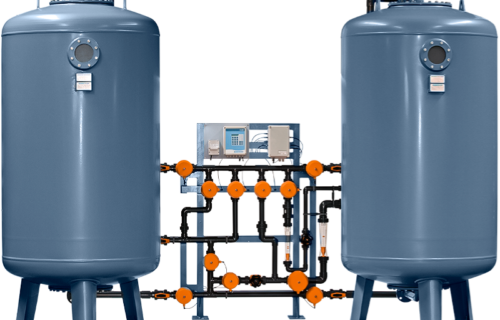
This is where whole-home treatment becomes useful. Instead of treating water at only one faucet, a properly designed system can address water quality throughout the house. That can help reduce issues such as mineral buildup, unpleasant odors, staining, or certain contaminants before water reaches individual fixtures.
Think about a washing machine running several times a week. Or a water heater quietly dealing with hard-water minerals year after year. The effects of water quality aren’t always visible immediately, but they can accumulate.
Whole-house treatment isn’t necessarily about adding every available piece of equipment, either. The best setup is usually the one that matches the actual water conditions and household needs. Sometimes a relatively straightforward filtration system is enough. Other homes may require several treatment stages.
The key is getting the diagnosis right first.
Understanding Well Water Systems
Private wells give homeowners independence, but they also mean the property owner is responsible for the equipment and water quality. Unlike municipal supplies, well water conditions can vary considerably from one location to another.
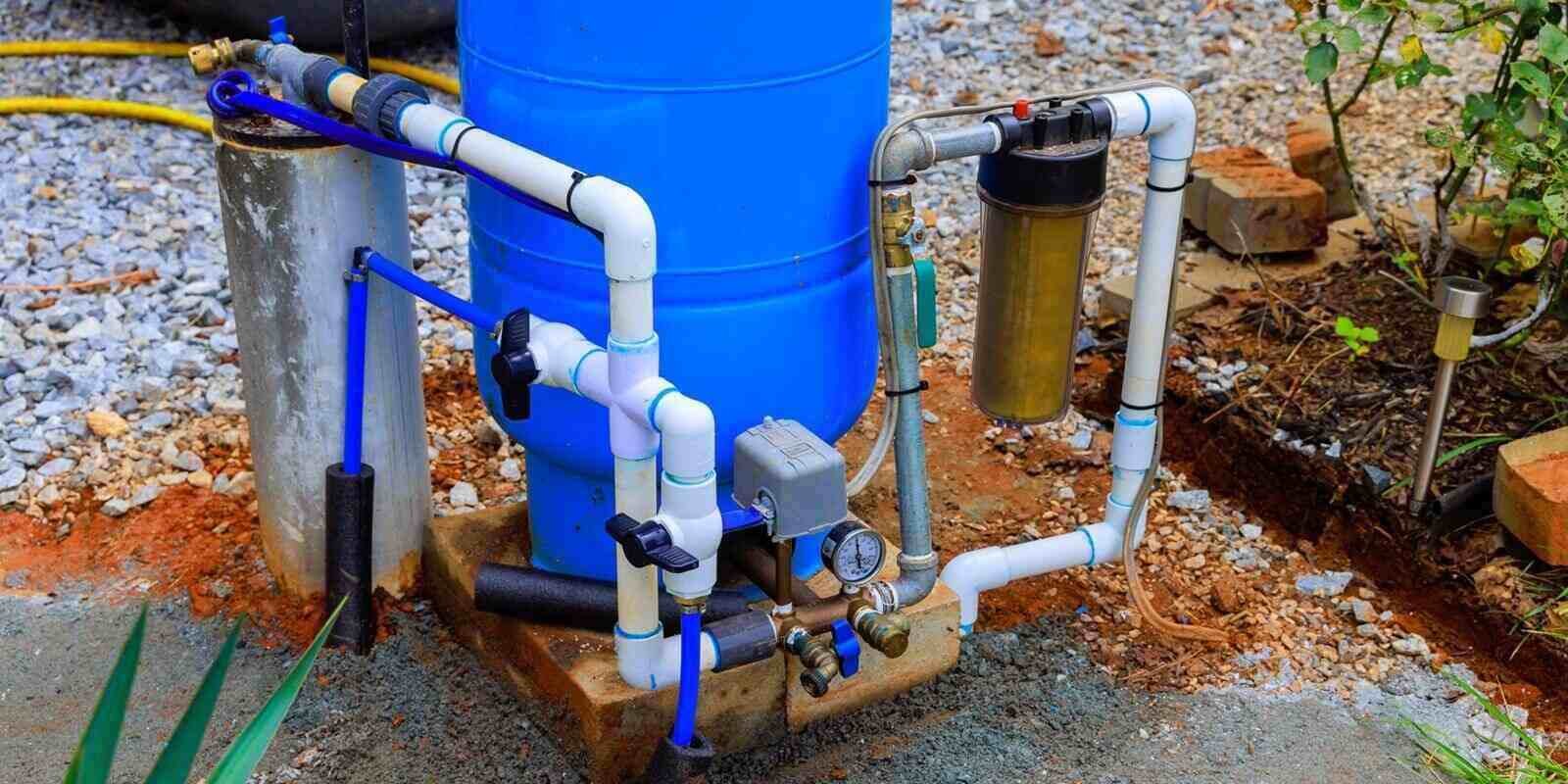
Reliable well water systems typically involve several connected components. Water is drawn from the well, moved through the plumbing, treated when necessary, and delivered throughout the home. If one part isn’t performing properly, the effects can show up elsewhere.
For example, sediment entering from a well may clog filters more quickly. Excessive mineral content can contribute to scale. Changes in groundwater conditions can also affect taste, smell, or appearance.
Regular testing is especially valuable because water quality isn’t necessarily permanent. Seasonal changes, heavy rainfall, nearby construction, or changes in the groundwater environment can sometimes alter what reaches the home.
Homeowners with wells should also keep an eye on maintenance. Filters need replacement, tanks may require inspection, and pumps shouldn’t be ignored simply because they’re hidden underground. A little attention now can prevent an unpleasant surprise later.
Water Pressure Is Part of the Bigger Picture
There’s a particular kind of frustration that comes from turning on the shower and getting a weak stream of water. It’s even worse when someone starts another faucet and the pressure drops again.
That isn’t always a simple plumbing problem.
A home’s pumps & pressure setup plays an important role in delivering water consistently. The well pump, pressure tank, switches, plumbing lines, and other components need to work together. If pressure fluctuates constantly, a failing pump, incorrect pressure settings, a waterlogged tank, clogged filtration equipment, or a plumbing restriction could be involved.
Trying to solve the issue by simply adjusting a pressure switch isn’t always wise. These components are connected to the electrical and mechanical operation of the water system, so incorrect adjustments can create bigger problems.
A professional inspection can help identify whether the real issue is insufficient pump capacity, a pressure tank problem, clogged equipment, or something happening inside the home’s plumbing.
Don’t Forget the Water Heater
Water treatment discussions often concentrate on filters and softeners, while the water heater gets overlooked.
That’s unfortunate because the water heater is one of the hardest-working appliances in many homes. It may operate every day for years, and the quality of incoming water can affect its performance.
Hard water, for instance, can contribute to mineral deposits inside the tank and around heating elements. Sediment can also accumulate over time. In severe cases, this may reduce efficiency or shorten equipment life.
A good residential water strategy considers the entire journey of water through the property. Treatment at the right point can help protect appliances as well as improve the water people actually use.
When Professional Help Makes Sense
Not every water issue requires a major installation. Sometimes a simple filter replacement or routine maintenance is all that’s needed.
Still, professional assistance is worthwhile when the problem is persistent, complicated, or difficult to diagnose. Warning signs include sudden pressure changes, recurring odors, unusual noises from the pump, frequent filter clogging, or unexplained changes in water appearance.
Professionals can evaluate the water source, treatment equipment, pressure system, and plumbing together. That broader view often prevents homeowners from spending money on equipment that doesn’t solve the underlying issue.
And there’s another benefit: peace of mind. Knowing why your water behaves the way it does is a lot better than constantly wondering whether the next strange sound means something expensive.
Building a Water System That Works for Your Home
A dependable home water system doesn’t have to be complicated for the sake of being complicated. In fact, the opposite is usually better. The right combination of testing, treatment, pumping equipment, and maintenance should quietly do its job without demanding much attention from the people living there.
Start by understanding the water source. Test the water when necessary. Pay attention to pressure and changes in taste, smell, or appearance. Keep filtration and pumping equipment maintained. And when an issue goes beyond basic maintenance, get it evaluated rather than repeatedly treating the symptom.
Good water management is one of those home improvements you may not notice every minute of the day. But once everything is working properly, you notice the difference—in cleaner fixtures, steadier showers, better-performing appliances, and water you feel comfortable using.
Sometimes the smartest home upgrade is simply making sure the water system behind the walls is doing its job properly.