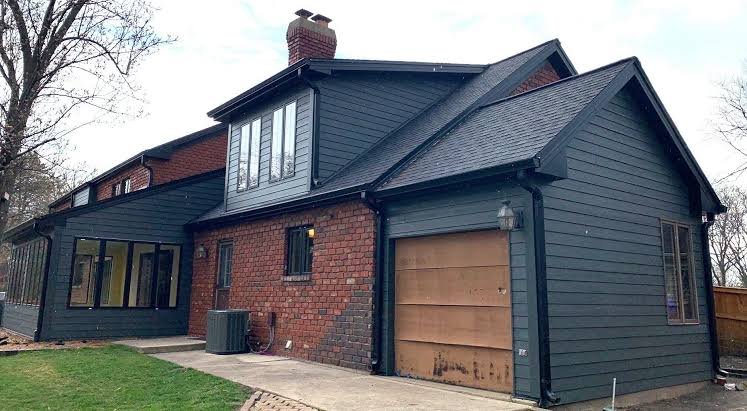
Choosing the Right Roofing and Siding Materials for a Better Home
Your home’s exterior does a lot more than make a first impression. It stands between your family and heavy rain, strong winds, summer heat, freezing temperatures, and all the little weather surprises that come with owning a house. That’s why choosing siding and roofing materials isn’t simply about picking a color you like. It’s about finding products that look good, perform reliably, and make sense for your home and budget.
For many homeowners, the hardest part is knowing where to start. There are countless brands, materials, textures, colors, and installation options. A contractor might mention terms that sound familiar, but the details can get confusing quickly. The good news is that you don’t need to become a building expert overnight. Understanding a few basics can make the entire decision much easier.
Start With the Needs of Your Home
Every house has its own personality, but it also has its own practical requirements. A home in a hot, sunny climate may need different exterior considerations than one that regularly deals with snow, ice, or strong coastal winds.
Before choosing a product, think about your local weather. Does your area receive frequent storms? Is moisture a constant problem? Are summers brutally hot? These factors can influence everything from material selection to ventilation and installation methods.
Your home’s existing structure matters, too. The age of the roof, condition of the walls, drainage, attic ventilation, and previous repairs can all affect what should be installed. Sometimes homeowners focus so heavily on the visible material that they overlook what’s underneath. That can be an expensive mistake.
A good contractor should inspect the property first and explain what actually needs attention rather than immediately pushing a particular product.
Why Quality Siding Matters
Siding has a surprisingly big job. It protects exterior walls from moisture while also contributing to insulation, appearance, and overall curb appeal. Damaged or poorly installed siding can allow water to reach areas where it doesn’t belong, potentially leading to rot, mold, or structural problems.
Fiber cement siding has become popular because it combines a traditional appearance with strong resistance to common exterior problems. For homeowners considering this option, James Hardie siding is one well-known choice, particularly because it comes in a broad range of colors and styles.
But the product itself is only part of the equation. Installation matters enormously. Even excellent siding can underperform when it’s installed incorrectly. Proper flashing, spacing, fastening, caulking, and moisture management all play a role in how well the exterior performs over time.
And there’s another practical point: think about maintenance. A beautiful exterior that requires constant upkeep may become frustrating after a few years. The best choice is usually one that fits your lifestyle as well as your aesthetic preferences.
Roofing Deserves Just as Much Attention
If siding protects the walls, the roof protects almost everything underneath them.
A roof has to handle direct sunlight, rain, wind, debris, temperature changes, and sometimes snow or ice. Small roofing problems can also become large interior problems surprisingly fast. A missing shingle or damaged flashing might seem minor, but water has a way of finding the smallest opening.
Asphalt shingles remain a popular roofing solution because they’re practical, widely available, and offered in many styles. Homeowners comparing options may come across Owens Corning roofing, which includes a range of roofing products designed for residential applications.
Still, choosing a recognizable manufacturer shouldn’t be the end of the conversation. Ask about shingle ratings, ventilation requirements, underlayment, flashing, warranty terms, and installation practices. A quality roof is a complete system, not just a layer of shingles.
Materials Are Only as Good as the Installation
This is one of those things homeowners sometimes learn the hard way.
You can purchase excellent materials and still end up disappointed if installation is rushed or poorly executed. Roofing and siding systems rely on dozens of small details. A contractor needs to understand how water moves across the exterior, where it can collect, and how different components should work together.
Look for an experienced contractor who is willing to explain the process. Ask who will actually perform the installation, whether the company is insured, what warranties apply, and how unexpected structural issues will be handled.
It’s also smart to get a written estimate that clearly separates labor, materials, removal, disposal, and any additional work. A low initial quote can become much less attractive once unexpected costs start appearing.
Don’t Choose Based on Price Alone
Budget obviously matters. Home improvements can get expensive, and nobody wants to spend more than necessary. But the cheapest option isn’t always the most economical one.
Think about the total cost over time. A lower-priced material may require more maintenance or need replacement sooner. A slightly higher upfront investment could potentially offer better durability and fewer headaches later.
That doesn’t mean you should automatically choose the most expensive product. In fact, expensive doesn’t always mean better for your particular home. The goal is value.
Consider durability, expected lifespan, maintenance, energy performance, warranty coverage, appearance, and installation quality alongside the purchase price. That broader view usually leads to a smarter decision.
Look for Materials That Fit Your Long-Term Plans
If you’re planning to stay in your home for many years, think beyond today’s appearance.
Exterior materials can influence curb appeal and potentially affect how attractive the property is to future buyers. Neutral colors and classic styles tend to age gracefully, while highly personalized choices may not appeal to everyone.
You should also consider how different materials work together. Roofing, siding, trim, gutters, doors, and exterior paint don’t exist independently. When they’re coordinated thoughtfully, even a modest home can look polished and well cared for.
For homeowners comparing manufacturers and contractors, looking for industry-leading materials can be a useful starting point, but don’t let marketing language make the decision for you. Ask what makes a particular material appropriate for your climate, home design, and maintenance expectations.
A Professional Inspection Can Save You Trouble
Before replacing a roof or siding, get the underlying condition checked. This is especially important for older homes.
A professional may find damaged sheathing, poor ventilation, moisture intrusion, outdated flashing, or other issues that aren’t obvious from the ground. Addressing those problems before new materials are installed can prevent you from covering up an issue that will eventually return.
It’s also worth asking about ventilation. A roof that looks perfectly fine from the outside can still have problems caused by inadequate attic airflow. Proper ventilation helps manage heat and moisture, which can contribute to the long-term performance of the roofing system.
Making the Final Choice
There isn’t one perfect siding or roofing material for every house. The right decision depends on your climate, architecture, budget, maintenance preferences, and long-term plans.
Take your time. Compare products, ask contractors specific questions, read warranty details carefully, and don’t be afraid to get more than one estimate. Most importantly, look at the entire system rather than judging a product by its appearance alone.
Your home’s exterior is a long-term investment. When good materials are paired with careful installation and sensible planning, the result isn’t just a nicer-looking house. It’s a home that’s better prepared for the weather, easier to maintain, and more comfortable to live in for years to come.