Why Better Drinking Water Starts at the Tap
There’s something reassuring about turning on the kitchen faucet and knowing the water flowing into your glass is clean, fresh, and dependable. We often take that simple moment for granted. Water travels through treatment facilities, pipes, storage tanks, and household plumbing before it reaches the tap, and along the way, its quality can be affected by minerals, sediment, chlorine, metals, and other unwanted substances.
That’s why choosing the right home water treatment system matters. For many households, improving drinking water isn’t about chasing the latest gadget. It’s about understanding what’s actually in the water and choosing technology designed to address those specific concerns.
Understanding What May Be in Your Water
Tap water can look perfectly clear and still contain substances you’d rather not drink every day. Depending on the local supply, common concerns can include chlorine, lead, sediment, dissolved minerals, and certain chemicals.
Well water can have its own challenges. Hardness, iron, sulfur odors, and naturally occurring minerals may affect taste, smell, plumbing, or even the way water behaves when it’s heated.
This is where water testing becomes useful. Instead of guessing, homeowners can identify the actual characteristics of their water and make a more informed decision. After all, a filtration system that works beautifully for one home might be unnecessary—or simply the wrong fit—for another.
How Reverse Osmosis Can Improve Drinking Water
One of the most widely recognized technologies for treating drinking water is reverse osmosis. The process uses pressure to push water through a specialized membrane that can reduce many dissolved impurities.
The idea sounds complicated, but the basic concept is fairly simple. Water passes through progressively finer stages of treatment, with the membrane acting as a highly selective barrier. Depending on the system design, additional filters may be used before and after the membrane to improve performance and taste.
For households concerned about dissolved solids and certain contaminants, this type of treatment can make a noticeable difference. It can also improve the taste of water, which matters more than people sometimes admit. If your water has an unpleasant mineral taste or strong chlorine character, you may find yourself drinking less of it. Better-tasting water can make reaching for another glass feel effortless.
Still, reverse osmosis isn’t automatically the answer to every water problem. It’s important to choose a system based on water quality, household needs, available space, maintenance requirements, and expected water usage.
Why Point-of-Use Water Treatment Makes Sense
Not every household needs to treat every gallon of water entering the property.
For drinking, cooking, making coffee, and filling reusable bottles, point-of-use treatment can be a practical option. These systems are typically installed near a kitchen faucet or another location where treated water is needed most.
This approach can be especially appealing when the primary concern is drinking-water quality rather than bathing or laundry water. It also allows homeowners to focus their investment where it matters most.
Imagine making morning coffee with water that doesn’t carry a noticeable chlorine taste. Or filling a bottle before heading out for work without wondering whether the water will taste different from yesterday. Small improvements like these become part of everyday life surprisingly quickly.
The Appeal of Bottle-Quality Water at Your Tap
Buying bottled water can seem convenient, but the costs add up. There’s the money spent on individual bottles, the effort of carrying them home, and, of course, the pile of plastic afterward.
A properly selected home treatment system can provide bottle-quality water at your tap without requiring constant trips to the store. For busy families, that convenience is a genuine benefit rather than just a marketing phrase.
There’s also something nice about having water available whenever you need it. Guests arrive unexpectedly? No problem. Kids need to refill their bottles before school? Easy. You want cold water after working outside on a hot afternoon? It’s already there.
Of course, the phrase “bottle-quality” shouldn’t mean that every filtration system produces identical results. Water quality depends on the source, treatment technology, installation, and maintenance. That’s why choosing equipment based on actual water conditions is so important.
Filtration Is About More Than Taste
Taste is usually the first thing people notice, but water treatment can have broader practical benefits.
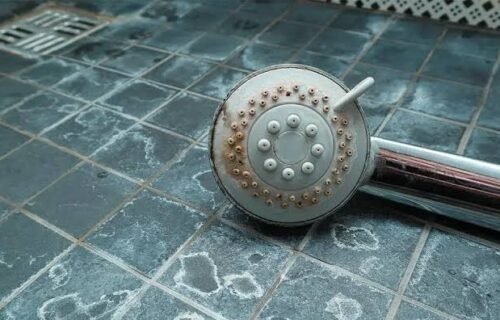
Sediment filtration can help reduce particles that make water look cloudy or gritty. Treatment for hardness can help manage calcium and magnesium that contribute to scale buildup. Other filtration technologies are designed for specific concerns, such as chlorine, certain metals, or particular chemical compounds.
It’s useful to think of water treatment as a toolbox. You don’t necessarily need every tool in the box. You need the right one—or the right combination—for the job.
That’s also why a professional water assessment can be worthwhile. A qualified specialist can look at the water source, household consumption, plumbing setup, and treatment goals before recommending equipment.
Advanced Systems Are Becoming More Practical
Water treatment technology has come a long way. Modern systems can be more efficient, compact, and user-friendly than older equipment. Some include monitoring features that make maintenance easier, while others are designed to integrate neatly beneath a kitchen sink or into existing plumbing.
The growing interest in advanced drinking water solutions reflects a broader change in how people think about water at home. It’s no longer simply about having a filter attached to a faucet. Homeowners increasingly want dependable systems that fit their routines and provide consistent performance.
But technology alone doesn’t guarantee good results. Installation quality matters. So does replacing filters when necessary. A sophisticated system that is neglected won’t perform as intended.
Maintenance Is Part of the Deal
Every water treatment system needs some attention. Filters eventually become saturated, membranes need care, and components may require inspection.
The good news is that maintenance doesn’t have to be complicated. The key is consistency.
Keep track of filter replacement schedules, follow the manufacturer’s recommendations, and pay attention to changes in taste, odor, pressure, or water flow. Those little signals can tell you something has changed.
It’s much like changing the oil in a car. You could ignore it for a while, but that doesn’t make the maintenance unnecessary.
Choosing the Right System for Your Home
Before buying a water treatment system, consider a few basic questions:
- What is the source of your water?
- Has the water been professionally tested?
- Are you concerned mainly about taste, minerals, sediment, or specific contaminants?
- Do you need treated water throughout the house or primarily for drinking and cooking?
- How much maintenance are you comfortable handling?
- Does the system fit your available space and daily water consumption?
These questions may sound simple, but they prevent a common mistake: purchasing a system because it has impressive features rather than because it solves an actual household problem.
A good water treatment setup should fit your home, your water, and your habits.
A Better Glass of Water Is a Small Upgrade That Matters
Clean drinking water doesn’t need to be complicated. What matters is understanding your water and selecting treatment technology that addresses the real issues.
For some homes, that may mean a straightforward sediment filter. Others may benefit from softening, specialized filtration, reverse osmosis, or a combination of technologies.
And sometimes the biggest improvement is simply knowing exactly what you’re drinking.
There’s no magic button that makes every water source identical. But with proper testing, sensible equipment, and regular maintenance, it’s possible to make everyday drinking water fresher, more convenient, and more enjoyable.
In the end, that’s really what good water treatment should do—not make life more complicated, but make one of the most basic things in your home feel a little better.