Smarter Ways to Improve Water Quality at Home
Clean water is one of those things we tend to take for granted—until something changes. Maybe the water starts smelling like rotten eggs. Perhaps there’s a strange metallic taste, stubborn stains around the sink, or scale building up inside appliances. For homeowners relying on private wells, these issues can be especially noticeable.
The good news is that poor water quality doesn’t always mean you need to replace your entire plumbing system or live with unpleasant water. The right treatment approach can make a remarkable difference. From filtration and softening to targeted contaminant reduction, modern water treatment systems are designed to address specific problems rather than simply treating everything the same way.
Start by Understanding What’s in Your Water
Before choosing a treatment system, it helps to know what you’re actually dealing with. Water can look perfectly clear while containing minerals, metals, microorganisms, or dissolved compounds that affect its taste, smell, or usability.
A professional water test can identify common concerns such as hardness, iron, manganese, sulfur compounds, sediment, chlorine, pH imbalance, and certain other contaminants. This step might seem like a hassle, but it can save money in the long run. Buying a filter based on guesswork is a bit like taking medicine without knowing what’s wrong.
Testing is particularly important when the water comes from a private well because well conditions can vary significantly from one property to another. Even neighboring homes may have completely different water chemistry.
When Iron and Sulfur Become a Problem
Iron and sulfur are among the most common reasons homeowners complain about well water. Iron may leave orange or reddish stains on sinks, toilets, laundry, and fixtures. Sulfur compounds, particularly hydrogen sulfide, can create that unmistakable rotten-egg odor.
These problems aren’t usually solved effectively by a basic drinking-water filter alone. The treatment needs to match the chemistry and concentration of the contaminants.
For homeowners facing both issues, iron & sulfur water treatment products can provide a more targeted solution. Depending on the water analysis, treatment may involve oxidation, specialized filtration media, aeration, or a combination of technologies.
The right system can help reduce staining, unpleasant odors, and the frustration of constantly cleaning fixtures. And honestly, getting rid of that sulfur smell can make the whole house feel fresher.
Municipal Water Has Its Own Challenges
People sometimes assume city water doesn’t need treatment because it has already been processed by a municipal utility. That’s partly true, but it doesn’t mean the water will always taste or feel perfect at the tap.
Municipal supplies are generally treated and monitored, yet disinfectants such as chlorine may affect taste and odor. Older plumbing can also introduce concerns, particularly in properties with aging pipes or fixtures.
This is where municipal water treatment solutions can be useful. Homeowners can choose point-of-use filters, whole-house filtration, carbon systems, water softeners, or other technologies depending on their needs.
A whole-house system can be especially appealing when the goal isn’t just better drinking water. It can improve water throughout the property, including showers, laundry, kitchens, and appliances. There’s something satisfying about knowing the water coming through every faucet has been treated with a specific purpose in mind.
Well Water Needs a More Personal Approach
Private well water is naturally different from municipal water. It doesn’t pass through a centralized treatment facility before reaching your home, so the quality depends heavily on the local groundwater, geology, well construction, and surrounding environment.
Some wells have hard water with elevated calcium and magnesium. Others may have iron, manganese, sulfur, sediment, or changes in pH. Seasonal conditions can sometimes influence water quality, too.
That’s why well water treatment solutions should be selected according to actual test results rather than a one-size-fits-all package.
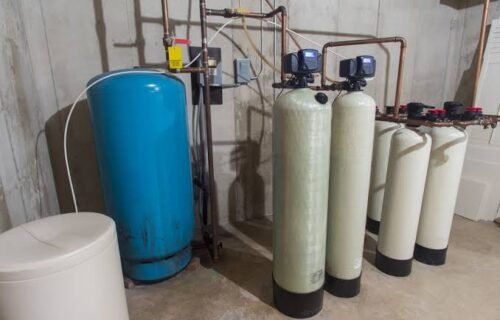
For example, a household dealing primarily with hard water may benefit from a water softener. A home with sediment could require pre-filtration. If iron or sulfur is present, a specialized filtration system may be more appropriate. In some cases, multiple treatment stages work together.
The goal isn’t necessarily to install the biggest or most expensive system. It’s to install the right system.
Choosing Between Point-of-Use and Whole-Home Treatment
One of the first practical decisions is whether you need treatment at a single faucet or throughout the house.
Point-of-use systems are installed where water is consumed, commonly at the kitchen sink. They’re useful when the main concern is drinking and cooking water.
Whole-home systems treat water as it enters the property. This approach makes more sense when water quality problems affect showers, bathrooms, laundry, appliances, and plumbing fixtures as well.
Consider how the water problem actually affects your household. If the only complaint is taste, a kitchen filter might be enough. But if you’re dealing with widespread staining, odors, scale, or sediment, treating the entire home’s supply may be the better long-term choice.
Don’t Forget About Maintenance
Even a well-designed treatment system needs attention. Filters eventually become saturated, media may need replacement or regeneration, and equipment should be inspected periodically.
Ignoring maintenance can reduce performance and, in some cases, create new problems. A filter that hasn’t been replaced for far too long isn’t exactly doing its best work.
Keep track of filter-change schedules and follow the manufacturer’s recommendations. If your water chemistry changes, have the water tested again rather than assuming the original treatment setup will remain perfect forever.
For private wells, periodic testing is particularly important. Changes in taste, odor, color, or pressure shouldn’t simply be brushed aside.
Better Water Starts With the Right Question
There isn’t one universal water treatment system that works equally well for every household. Water chemistry is too variable for that. What works beautifully in one home may be unnecessary—or ineffective—in another.
The smartest approach is straightforward: test the water, identify the actual problem, and choose technology designed to address it. Think about whether you need treatment for drinking water alone or for the whole property. Then consider installation, maintenance, operating costs, and available space.
Clean, pleasant water doesn’t have to be complicated. With a little testing and the right treatment strategy, homeowners can protect plumbing, improve everyday comfort, and feel more confident about the water flowing from their taps.
After all, water is used dozens of times a day without us even thinking about it. It deserves a solution that’s based on what your home actually needs—not simply what’s sitting on a store shelf.