Water Treatment Options That Can Make a Difference at Home
Water has a funny way of becoming invisible in our daily lives. We use it first thing in the morning, cook with it, shower in it, wash clothes with it, and drink it throughout the day. Most of the time, we don’t give it much thought. Then one day there’s a chalky buildup around the faucet, a strange taste in the glass, or spots covering freshly washed dishes. Suddenly, water quality becomes a household conversation.
The good news is that homeowners have more options than ever when it comes to improving the water they use every day. The trick is figuring out which solution actually fits your home.
Start With What Your Water Is Telling You
Before buying any treatment equipment, take a moment to notice the signs around your house. White deposits on faucets and showerheads may point to hard water. An unusual taste or chlorine smell can indicate a different concern. Cloudiness or visible particles may suggest sediment.
Of course, appearances and taste don’t tell the whole story. Water testing can provide a much clearer picture of what is actually happening. Once you know the issue, choosing a treatment method becomes far less confusing.
It’s tempting to jump straight into shopping, especially when every product seems to promise better water. But understanding the problem first usually saves time, money, and frustration.
When Hard Water Becomes a Household Headache
Hard water is common in many areas and contains minerals such as calcium and magnesium. While these minerals aren’t necessarily a reason to panic, they can be frustrating around the house.
You may notice scale inside appliances, dry-feeling skin after a shower, dull-looking laundry, or stubborn deposits around sinks. Over time, mineral buildup can also become an annoying maintenance issue.
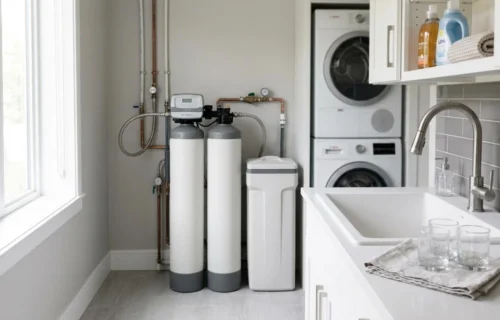
This is where water softeners can be useful. Rather than primarily focusing on drinking-water filtration, softeners are designed to address hardness minerals. For households dealing with persistent scale, the difference can be noticeable in everyday cleaning and appliance care.
Filters Can Target Specific Water Concerns
Not every water problem requires a whole-house approach. Sometimes the concern is much more specific.
A filter can be installed at the point where water is consumed or used, depending on the type of system. Carbon filtration, for example, is commonly used to improve taste and reduce chlorine. Sediment filters can help capture physical particles such as sand and rust.
The important part is matching the filter to the water-quality concern. A filter designed for taste improvement shouldn’t be expected to solve every possible water issue. That’s where informed selection matters.
Looking Beyond One Faucet
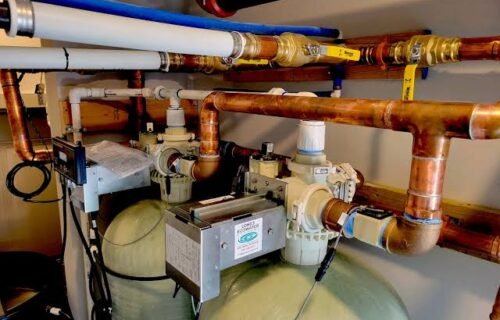
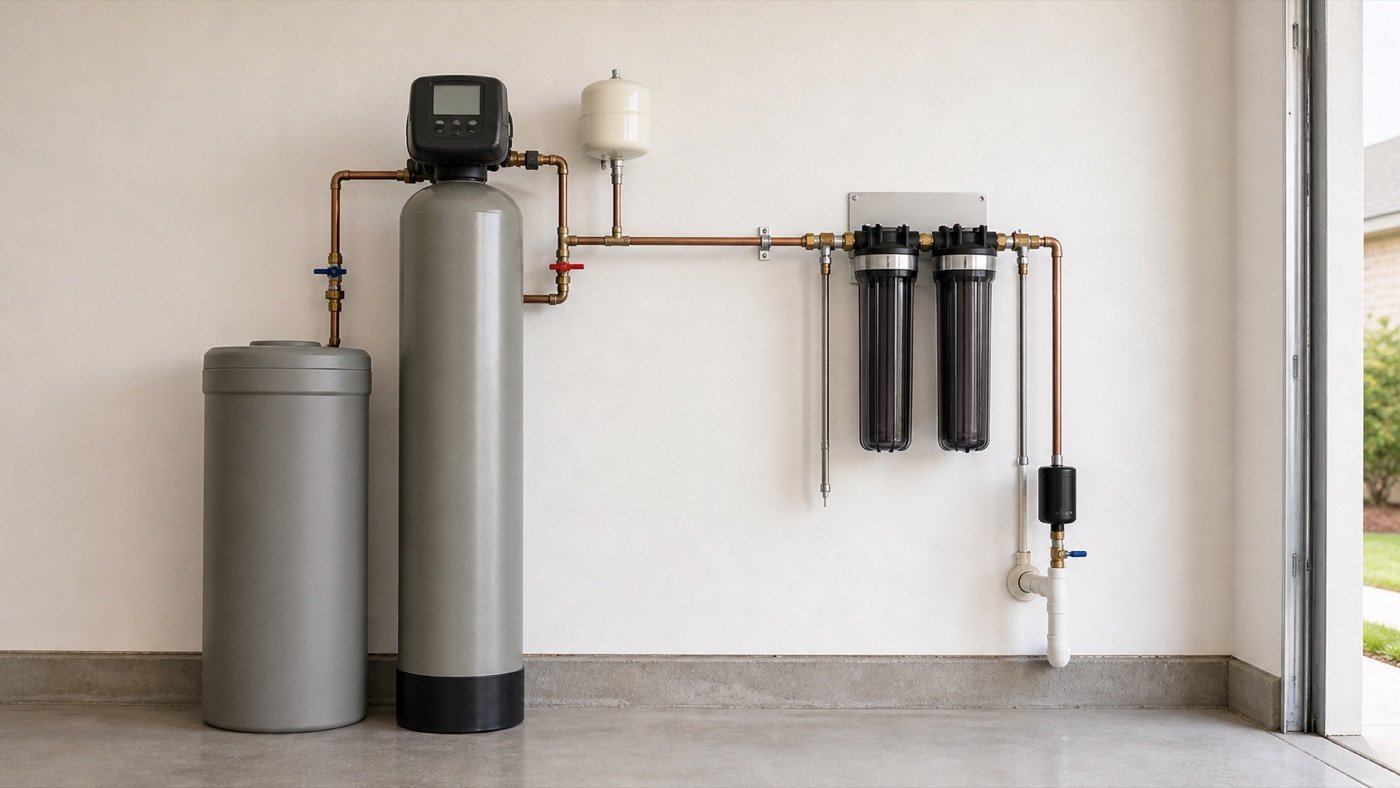
If several areas of your home are affected by water quality, a larger treatment approach may make sense. Instead of treating water only at one faucet, homeowners can consider filters & whole home filtration systems designed to treat water for broader household use.
This can be particularly appealing for families that want more consistent water quality throughout the property. Imagine not just having better water in the kitchen, but also addressing concerns affecting showers, laundry, bathroom fixtures, and appliances.
Still, whole-home treatment isn’t automatically the right answer for everyone. It depends on your water source, household needs, plumbing setup, and the specific concerns revealed through testing.
Drinking Water Deserves Special Attention
Even when household water is treated for general use, some homeowners prefer an additional level of filtration for water they drink and cook with.
Dedicated drinking water systems can provide targeted treatment at the kitchen sink or another convenient location. Depending on the technology, these systems may focus on improving taste, reducing certain contaminants, or providing additional filtration for everyday drinking and cooking.
For a family that fills several water bottles every morning or cooks frequently at home, having convenient access to filtered water can quickly become part of the normal routine.
Choosing Between Different Technologies
There are plenty of water treatment technologies available, and that can make the process feel a little overwhelming. Reverse osmosis, carbon filtration, sediment filtration, softening, and other methods all have different purposes.
Instead of asking, “Which system is the best?” it may be more useful to ask, “Which system is best for my water?”
That small change in thinking can make the decision much easier.
For example, someone primarily concerned with hard water may need a softener. Another homeowner bothered by chlorine taste may be more interested in carbon filtration. A household with several different concerns may benefit from combining treatment methods.
Maintenance Matters More Than People Think
Installing a system is only part of the process. Filters need to be replaced, softeners may need servicing, and certain equipment requires periodic cleaning or inspection.
It’s easy to forget about maintenance because water treatment equipment usually works quietly in the background. But neglecting it for too long can reduce performance.
Keep a simple record of filter changes and service dates. Follow the manufacturer’s recommendations, and pay attention if water pressure, taste, smell, or appearance changes unexpectedly. A little routine care can go a long way.
Make the Decision Based on Your Home
There’s no need to turn water treatment into a complicated science project. Start by understanding your water source and identifying the issues you actually experience. If necessary, have the water tested. Then compare treatment options based on those results.
The cheapest system isn’t always the best value, and the biggest system isn’t automatically the best solution either. What matters is whether the equipment does what your household needs and whether you can realistically maintain it.
Water is something we depend on every single day, so improving its quality can be a worthwhile investment. With the right combination of treatment, maintenance, and a little awareness, better water can become less of a concern and more of something you simply enjoy having in your home.