Making Septic System Changes Easier for Homeowners
When Your Septic System Needs a Change
A septic system isn’t something most homeowners spend much time thinking about. As long as the drains work, toilets flush, and there’s no unpleasant smell drifting across the yard, life carries on.
But properties change. Families grow, homes are renovated, and sometimes an old septic setup simply no longer makes sense for the way a property is being used. That’s when homeowners may start looking into upgrades, conversions, or completely new solutions.
Changing a septic system can sound intimidating, especially when you imagine digging up the yard and dealing with complicated plumbing. Thankfully, the process doesn’t always have to be as disruptive as people expect. With proper planning and experienced professionals, many projects can be handled in a much more organized way.
Understanding Septic Conversions
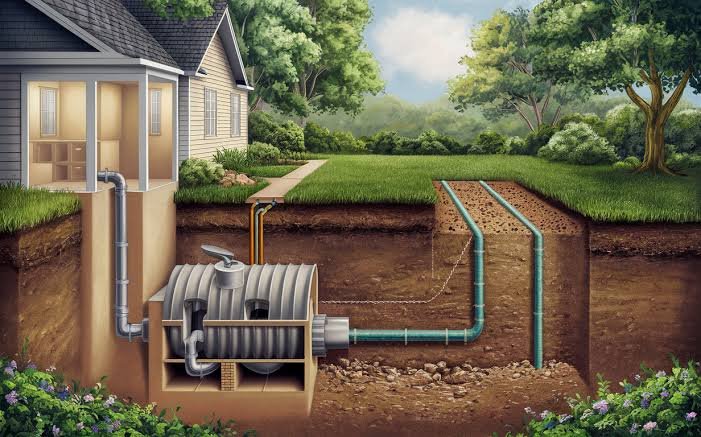
A septic conversion usually involves changing an existing wastewater setup so that it can connect to a different treatment or sewer arrangement. The exact process depends heavily on the property, local regulations, existing infrastructure, and the type of system currently installed.
This is one reason homeowners shouldn’t treat septic conversions like a simple DIY plumbing project. Underground systems can be difficult to evaluate from the surface, and an incorrect connection can create expensive problems later.
Professional contractors can inspect the existing system, determine what can be reused, and identify what needs to be changed. In the right circumstances, seamless septic conversions can make the transition much smoother while reducing unnecessary disruption around the property.
The important thing is having a clear plan before excavation begins.
Why Planning Matters So Much
With septic work, surprises are rarely welcome.
Before starting, professionals generally need to understand the property layout, drainage patterns, existing tanks or pipes, soil conditions, and the intended wastewater connection. Permits and local requirements may also play an important role.
A proper assessment helps answer practical questions. Where should the new connection go? Can existing components remain in place? Will landscaping or driveways need to be disturbed? Are there access limitations for equipment?
These details may seem boring on paper, but they can make a huge difference once the project gets underway.
Good planning also gives homeowners a clearer idea of the expected timeline and costs.
The Importance of Honest Pricing
Nobody enjoys receiving a plumbing or septic bill that is much higher than expected. Unfortunately, complicated underground work can sometimes lead to confusion about pricing if the scope of the project isn’t explained clearly.
A reputable contractor should aim to be fair and transparent about costs. That means explaining what the estimate includes, identifying potential additional charges, and communicating when unexpected conditions are discovered.
Of course, no contractor can predict every underground surprise. A buried pipe may be damaged, soil conditions may differ from expectations, or an old component may be in worse shape than it appeared during the initial inspection.
The difference is communication. Homeowners should know what changed and why the recommended solution has changed with it.
Signs Your Septic System May Need Attention
Some septic problems are obvious. Others start quietly.
Slow drains throughout the house can be an early warning sign. Gurgling toilets, sewage odors, unusually wet patches in the yard, or standing water around the drain field can also indicate trouble.
Another concern is repeated backups. If a system has been pumped recently but continues to experience problems, there may be a deeper issue that needs investigation.
Homeowners shouldn’t wait until wastewater is overflowing indoors before calling for help. Early inspection can sometimes prevent a much more unpleasant and expensive situation.
When You Need Emergency Help
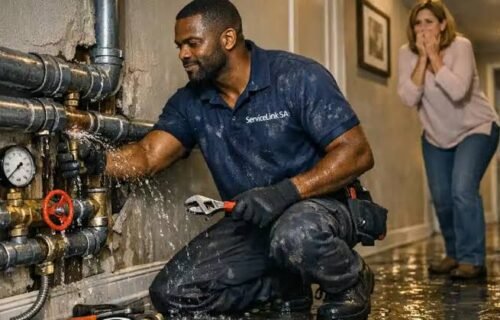
Not every septic problem happens at a convenient time. Pipes can fail on weekends, tanks can overflow unexpectedly, and drainage problems don’t exactly check the calendar before showing up.
That’s where professional emergency services can make a real difference. Having access to qualified technicians when an urgent problem develops can help limit damage and restore basic sanitation more quickly.
In an emergency, homeowners should avoid unnecessary contact with wastewater and keep children and pets away from affected areas. If sewage is backing up into the home, reducing water use until the situation is assessed can also help prevent additional overflow.
The goal is simple: contain the problem first, then determine what caused it.
Choosing a Septic Professional
Experience is especially valuable when dealing with underground wastewater systems. Look for professionals who understand local requirements and have experience with both repairs and system conversions.
It’s also worth asking whether the company handles inspections, excavation, installation, maintenance, and follow-up service. Having one knowledgeable team coordinate different parts of the project can make the process less stressful.
Before work begins, ask questions. What exactly needs to be changed? How long might the project take? Will landscaping be affected? Are permits required? What happens if unexpected damage is discovered?
A good contractor won’t mind explaining the process.
Thinking Beyond the Immediate Repair
The best septic solution isn’t always the quickest one. Sometimes a temporary repair can keep things moving, but if the underlying system is outdated or poorly suited to the property, a more permanent change may make better sense.
That’s why homeowners should think about long-term reliability, maintenance requirements, property use, and future needs rather than focusing only on today’s problem.
A well-planned conversion or upgrade can provide more dependable wastewater management and fewer headaches down the road.
A Cleaner, More Confident Way Forward
Septic work may not be the most exciting home improvement project, but it matters. A properly functioning wastewater system protects the property, supports healthy living conditions, and gives homeowners one less thing to worry about.
Whether you’re considering a septic conversion, dealing with recurring drainage issues, or facing an unexpected emergency, the right professional guidance can make a difficult situation much easier to manage.
In the end, good septic service isn’t just about pipes, tanks, and excavation. It’s about doing the work carefully, explaining it honestly, and leaving the homeowner with a system they can rely on long after the equipment has left the driveway.