A Comfortable Home Starts With the Systems You Don’t Think About
There’s something funny about home comfort. When everything works, you barely notice it. The shower feels good, the drinking water tastes fine, and the temperature inside stays comfortable without much effort. But when one of those things stops working, suddenly it becomes the only thing you can think about.
Water quality and HVAC performance are two good examples. They work quietly in the background, but they affect everyday life more than most homeowners realize. From the water flowing through your kitchen faucet to the air moving through your living room, a little maintenance can go a surprisingly long way.
Understanding What Your Home Water Really Needs
Not all water problems are obvious. Some homeowners notice a strange taste or odor, while others discover the issue through white mineral spots on faucets, dull-looking dishes, or scale around plumbing fixtures.
Hard water is particularly common in many areas. Calcium and magnesium can build up over time, leaving deposits on fixtures and potentially affecting water-using appliances.
Before buying a treatment system, it’s worth testing the water. A proper water analysis can reveal hardness levels, sediment, chlorine, metals, and other characteristics. That information makes it much easier to choose a treatment method that actually addresses the problem.
The Everyday Benefits of Water Softening
Hard water may not seem like a major issue at first. After all, the water still looks like water. But the little annoyances add up.
Soap doesn’t seem to lather properly. Shower doors develop stubborn spots. Clothes may feel rough after washing. Over time, mineral deposits can also collect inside water heaters and plumbing.
That’s where water softening can help. A suitable softener reduces hardness-causing minerals, which may help limit scale and improve how soap and detergents work.
It’s not a magic solution for every water-quality concern, though. A softener primarily addresses hardness, so it shouldn’t be expected to remove every possible contaminant. That’s one reason testing first is such a sensible move.
Why Whole-Home Filtration Can Be Worth Considering
Many people think about water filtration only when filling a glass at the kitchen sink. But water is used throughout the property — for bathing, laundry, cooking, cleaning, and more.
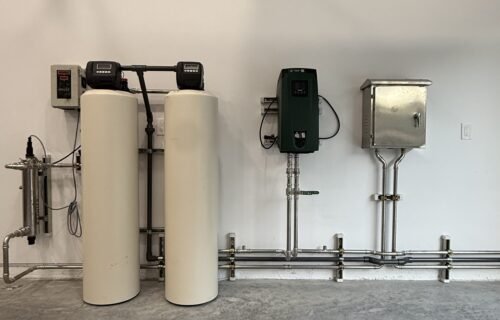
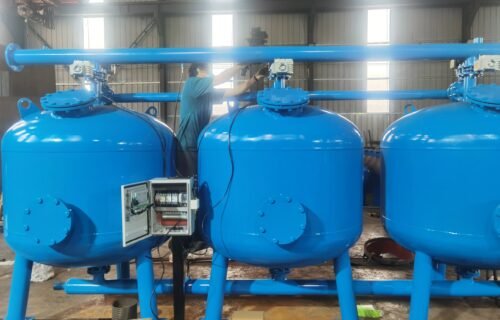
A whole home water filtration system is designed to treat water as it enters the house, rather than limiting filtration to one faucet. Depending on the equipment, filtration can target sediment, chlorine, odors, and specific contaminants identified during water testing.
The big advantage is convenience. You aren’t constantly filling pitchers or remembering which tap is filtered.
Still, don’t choose a system just because the brochure has a long list of features. Different filters solve different problems. The right technology depends on what’s actually present in your water.
When Reverse Osmosis Is a Better Fit
Some homeowners want an extra level of treatment specifically for drinking and cooking water. That’s where reverse osmosis can enter the conversation.
Reverse osmosis uses a semi-permeable membrane to reduce many dissolved substances from water. Most residential systems are installed beneath the kitchen sink and provide treated water through a separate faucet.
This can be useful for families who are particularly concerned about taste, dissolved solids, or certain contaminants.
There are a few practical considerations, however. RO systems require filter and membrane replacement, and the process can produce wastewater. They’re also generally designed for point-of-use applications rather than supplying every faucet in the house.
So, once again, the best choice depends on the problem you’re trying to solve.
Your HVAC System Deserves the Same Attention
Water treatment isn’t the only home system that benefits from a little planning. Your heating and cooling equipment has an equally important job.
A well-maintained HVAC system helps keep indoor temperatures comfortable throughout changing seasons. But even a good system can struggle when filters are clogged, airflow is restricted, components become dirty, or small mechanical problems are ignored.
Think of it like a car. You wouldn’t expect to drive thousands of miles without changing the oil or checking the tires. HVAC equipment deserves similar attention.
Getting Heating and Air Conditioning Installation Right
When replacing an old HVAC system, installation matters just as much as the equipment itself.
A system that’s too large may cycle on and off frequently, while one that’s too small can struggle to reach the desired temperature. Proper sizing, ductwork evaluation, airflow, thermostat placement, and installation quality all matter.
Professional heating and air conditioning installation helps ensure the equipment is selected and configured for the home’s actual requirements.
It can be tempting to focus only on the sticker price. But installation quality can influence efficiency, comfort, reliability, and the long-term performance of the system. Sometimes spending a little more upfront saves frustration later.
Don’t Wait Until Something Breaks
HVAC repair is often more expensive and inconvenient when a small issue has already turned into a major failure.
Unusual noises, weak airflow, inconsistent temperatures, frequent cycling, unusual odors, or rising energy bills can all be reasons to have the system inspected.
Prompt heating and air conditioning repair can help address problems before they become bigger ones. It doesn’t guarantee that every expensive repair can be avoided, of course, but early attention is rarely a bad idea.
Maintenance Is the Quiet Money-Saver
Regular heating and air conditioning maintenance may not be exciting, but it’s one of those chores that tends to pay off over time.
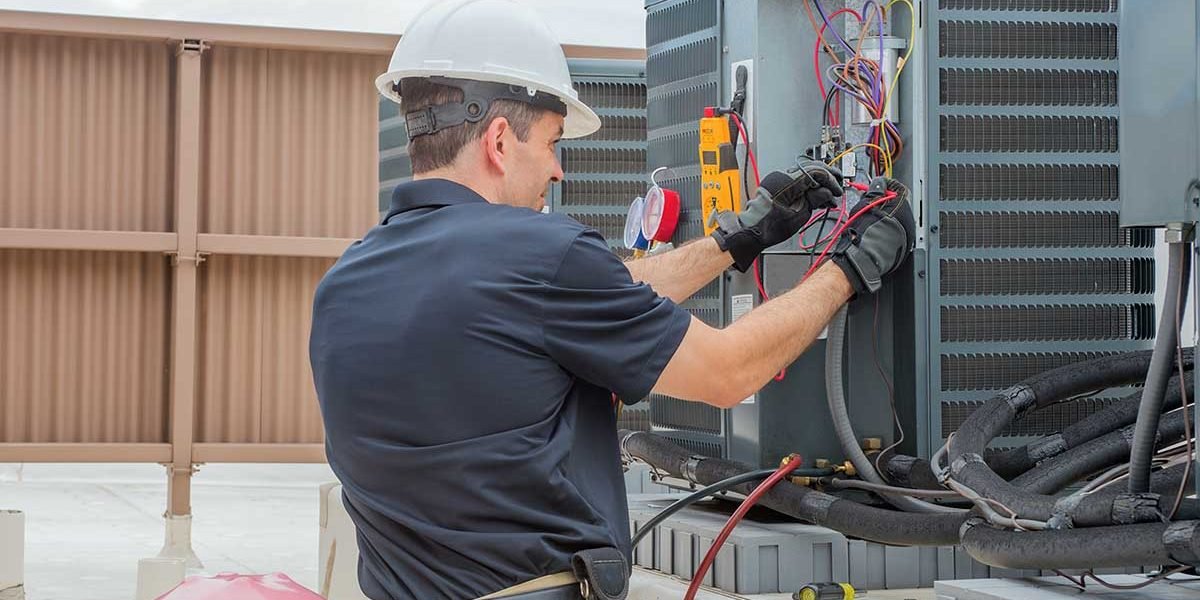
Routine service can include inspecting system components, checking airflow, replacing or cleaning filters, examining electrical connections, and identifying worn parts. The exact maintenance depends on the equipment and manufacturer’s recommendations.
Homeowners should also do the simple things themselves: keep vents unobstructed, change filters when required, and pay attention to changes in performance.
A Smarter Approach to Home Comfort
A comfortable home isn’t necessarily one packed with the most expensive technology. It’s a home where the important systems are matched to actual needs and looked after properly.
Start with the basics. Test your water before choosing treatment. Address hard water if it’s causing problems. Consider filtration based on the contaminants present. Keep HVAC equipment clean and maintained, and don’t ignore warning signs.
These aren’t glamorous upgrades. They’re practical ones.
But practical improvements have a way of becoming the things you appreciate most — a better shower, cleaner-tasting water, steadier temperatures, and fewer unpleasant surprises when the weather turns extreme.
That’s really what good home care is about: making everyday life a little easier, one quiet improvement at a time.