Why Knowing Your Water Quality Matters More Than You Think
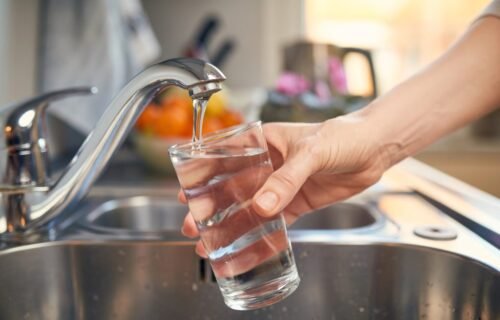
There’s something easy to take for granted at home: turning on a tap and expecting the water to be safe, clear, and pleasant to use. Most of us don’t stop to wonder what’s actually moving through those pipes. If the water looks fine and doesn’t smell strange, it must be okay, right? Well, not always.
Water can contain minerals, metals, chemicals, bacteria, or other unwanted substances that aren’t obvious to the eye. That’s why understanding your household water is worth the small amount of time and attention it takes. Whether you rely on a private well, municipal supply, or another source, testing can reveal problems before they become expensive or frustrating.
What Does Water Testing Actually Tell You?
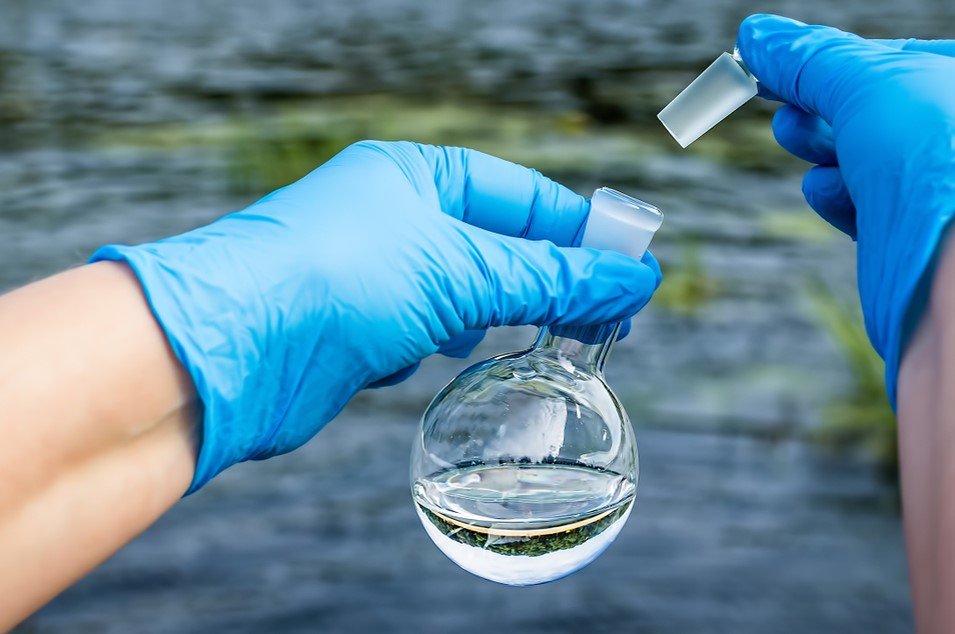
A water test is more than a quick check to see whether water is cloudy. Depending on the test, it can identify a range of physical, chemical, and biological characteristics.
Some common things tested include pH, hardness, iron, manganese, chlorine, nitrates, bacteria, and certain heavy metals. More specialized testing can look for contaminants such as lead, arsenic, or other substances that may be relevant to a particular water source.
For homeowners, this information provides a starting point. Instead of guessing why there are stains around the sink or why the water tastes odd, you have actual information to work with.
A free water test can be a useful first step, especially if you’re unfamiliar with the condition of your household supply. It may help identify common issues and point toward whether more detailed testing is worthwhile.
Why Water Can Change Over Time
One thing people sometimes forget is that water quality isn’t necessarily permanent.
Municipal water systems can change their treatment processes, pipes can age, and environmental conditions can affect groundwater. For homes using wells, seasonal changes, nearby construction, agricultural activity, flooding, or changes in the water table can influence what ends up in the supply.
Even your home’s plumbing can play a role. Older pipes and fixtures may contribute certain metals or sediments to water after it enters the property.
That doesn’t mean you should panic every time the water tastes slightly different. Changes can have harmless explanations. But noticeable differences deserve attention, particularly if they continue for days or weeks.
The Difference Between Clean-Looking Water and Safe Water
Clear water isn’t automatically safe water.
Some contaminants have no obvious color, smell, or taste. That’s one reason relying only on your senses can be misleading. You might notice rust-colored staining from iron or a sulfur-like odor from certain compounds, but other concerns may remain completely invisible.
This is where clean water becomes more than a visual description. Good water should be appropriate for its intended use, whether that means drinking, cooking, bathing, washing clothes, or running through household appliances.
Testing gives you a much clearer picture than appearance alone. And once you know what’s present, you can choose treatment based on an actual problem instead of buying equipment simply because it sounds useful.
Common Signs Your Household Water Needs Attention
Sometimes your home gives you clues.
Persistent changes in taste or smell are among the most noticeable. You may also see white scale around faucets, reddish stains in sinks and toilets, cloudy water, or sediment collecting at the bottom of a glass.
Other signs are less obvious. Soap may seem difficult to rinse away, laundry might feel stiff after washing, or water-using appliances could develop mineral buildup faster than expected.
Hard water is a common example. Calcium and magnesium aren’t usually considered dangerous at typical household levels, but they can create scale inside plumbing and appliances. Over time, that buildup can affect water heaters, fixtures, showerheads, and other equipment.
The key is not to assume every symptom has the same cause. A proper test can help separate hard water from iron, sediment, pH problems, or other conditions.
Choosing the Right Water Treatment
Once testing tells you what’s actually in the water, the next question is treatment.
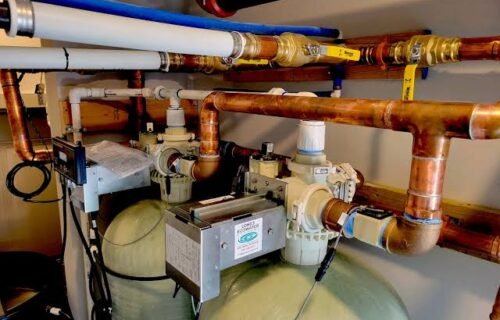
There isn’t one system that fixes everything. A water softener is designed primarily for hardness. Sediment filters can capture particles. Activated carbon systems can help reduce chlorine and certain tastes and odors. Reverse osmosis can provide highly treated water at a specific point of use, depending on the system and contaminants involved.
The best approach depends on your test results, household needs, water source, and budget.
This is especially important because buying the wrong equipment can be an expensive lesson. If hardness is your only concern, you may not need a complex filtration setup. On the other hand, if testing reveals a specific contaminant, a basic filter may not provide the reduction you need.
Don’t Forget About Your Plumbing
Water treatment and plumbing are closely connected, but they aren’t exactly the same thing.
A filtration system can improve incoming water, but it won’t necessarily fix a leaking pipe, corroded fixture, poor water pressure, or damaged water heater. Likewise, replacing a faucet won’t solve a water-quality issue that originates with the supply.
That’s why homeowners sometimes benefit from looking at the whole system rather than focusing on one symptom.
If water suddenly becomes discolored, for example, check whether the issue affects every tap or just one. If only a single fixture is affected, the plumbing or fixture itself may deserve inspection. If the entire house has changed, the source may be farther upstream.
A little troubleshooting can save money and prevent unnecessary equipment purchases.
How Often Should You Test Your Water?
There’s no universal testing schedule for every household. The right frequency depends on your water source and circumstances.
Private well owners generally need to pay closer attention because they are responsible for monitoring their own supply. Testing is particularly sensible after flooding, repairs to the well system, or noticeable changes in taste, odor, or appearance.
Homes with municipal water can also benefit from occasional testing, especially when there are concerns about old plumbing, unusual changes, or specific local conditions.
Think of testing as routine maintenance rather than a reason to worry. Just as you change an air filter or inspect a roof, checking your water periodically helps you stay informed.
Making Better Decisions Starts With Knowing the Basics
Water is used so often that it can fade into the background of everyday life. We drink it, cook with it, shower in it, and depend on it for countless household tasks. Yet because it usually arrives without much fuss, we rarely stop to consider what’s behind the tap.
Understanding your water quality changes that. It gives you useful information instead of assumptions.
You don’t necessarily need the most advanced treatment system or a shelf full of filtration products. Start with the basics: know your water source, watch for changes, test when appropriate, and understand what the results mean. If a problem is identified, choose treatment designed for that specific issue.
In the end, good water management isn’t about chasing perfection. It’s about being informed, practical, and proactive. A little attention today can protect your plumbing, appliances, and everyday comfort for years to come.