Smarter Water Management: Practical Solutions for Businesses and Well Owners
Water plays a bigger role in business than many people realize. It may not be the first thing that comes to mind when you think about running a restaurant, office, hotel, workshop, farm, or manufacturing facility, but reliable water is woven into countless daily tasks. From cleaning and cooking to equipment operation and employee comfort, water quality can quietly affect how smoothly a business runs.
For properties that rely on private wells, the situation can be even more complicated. Water quality can change with seasons, local conditions, and the condition of the well itself. That’s why taking a thoughtful approach to testing, treatment, and maintenance is worth the effort.
Why Water Quality Matters in a Business
Imagine a restaurant where water leaves spots on freshly washed glasses. Or a hotel where guests notice an unpleasant odor from the shower. In a workshop, mineral buildup could affect equipment that depends on a steady water supply.
These aren’t always dramatic problems, but they can become expensive and frustrating when ignored.
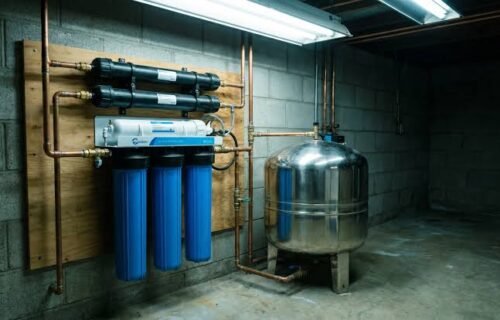
The right business water solutions can help companies address specific water-quality concerns while keeping daily operations practical. Commercial systems may be designed to handle higher water volumes than typical residential equipment, making proper sizing especially important.
The goal isn’t simply to “treat water.” It is to make sure the treatment approach fits the way the business actually uses water.
Start With Testing, Not Guesswork
Water that looks clean isn’t necessarily problem-free. Hardness, iron, sediment, chlorine, pH, and other factors may influence water quality without being obvious at first glance.
Testing provides a useful starting point. For businesses, testing may need to consider more than drinking-water quality alone. Equipment requirements, cleaning processes, production needs, and local regulations can also influence the treatment strategy.
Once the water has been tested, the results can help determine whether filtration, softening, carbon treatment, reverse osmosis, disinfection, or another technology makes sense.
It’s a much better approach than buying a system because someone online said it worked for them.
The Special Challenge of Well Water
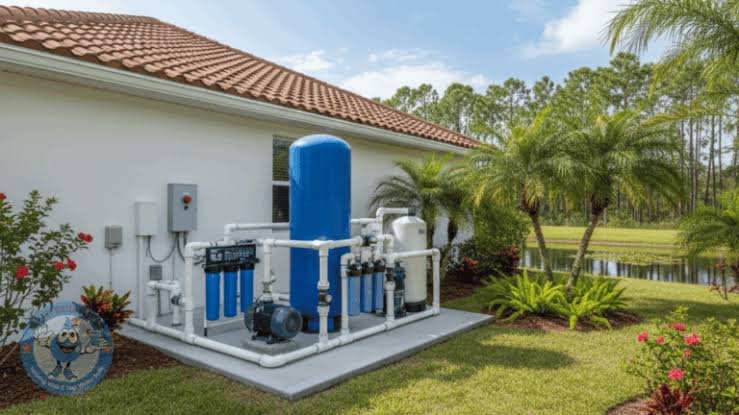
Private wells offer independence, but they also come with responsibility. Unlike a centralized municipal supply, a private well is typically the property owner’s responsibility to monitor and maintain.
Changes in groundwater conditions can influence the water entering the property. Iron and manganese may cause staining, sediment can affect clarity, and hardness can create scale throughout plumbing and equipment.
Effective well water treatment begins with knowing what’s actually present. A periodic water test can identify changes and provide a clearer picture of whether treatment is necessary.
Well owners should also pay attention to sudden changes in taste, odor, color, or pressure. A change doesn’t automatically mean something serious, but it is certainly worth investigating rather than brushing aside.
Choosing the Right Treatment Technology
There is no single treatment system that works for every property. Different water problems require different technologies.
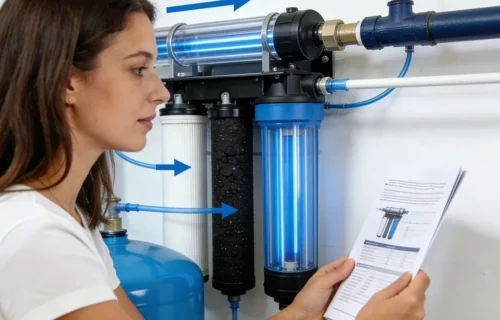
Water softeners are commonly used for hardness. Carbon filtration can help address chlorine and certain taste or odor concerns. Sediment filters are useful when particles or suspended material are an issue. Reverse osmosis may be considered when a higher level of purification is required for specific applications.
For businesses, flow rate is another major consideration. A system that works beautifully for a small household may struggle when several fixtures are operating at once.
That’s why commercial treatment should be planned around actual demand, not just the number of people using the building.
Service and Support Matter Too
A water treatment system is an investment, and installation is only the beginning. Filters need changing, components require inspection, and equipment may occasionally need adjustment.
Reliable service & support can make a surprisingly big difference here. When a system is maintained properly, small issues can often be identified before they turn into expensive disruptions.
For businesses, this matters even more. A treatment problem that leaves a home with unpleasant-tasting water is annoying. A similar problem in a restaurant, hotel, healthcare facility, or production environment could interfere with normal operations.
When comparing treatment providers, look beyond the equipment itself. Ask about maintenance schedules, replacement parts, troubleshooting, warranties, and response times.
Don’t Ignore Equipment Protection
Water quality can have a direct relationship with the lifespan of equipment.
Hard-water scale can build up inside heaters and other water-using appliances. Sediment may clog valves and filters. Certain minerals can contribute to staining or corrosion under particular conditions.
Treating the water appropriately may help reduce these problems and support more consistent equipment performance. It isn’t a magic shield, of course, but good water management can be one piece of a sensible maintenance strategy.
For a business, protecting equipment can also mean protecting productivity. Fewer unexpected breakdowns generally mean fewer interruptions.
Think Long Term
The cheapest water treatment system isn’t necessarily the cheapest option over several years.
Businesses should consider installation costs, operating expenses, replacement filters, maintenance, water consumption, energy requirements, and equipment lifespan. A system that costs less upfront but requires constant attention may become expensive over time.
Well owners should take a similar approach. A treatment system should be sized appropriately for the property and selected according to actual water conditions.
It can be tempting to focus only on the purchase price. But water treatment is a long-term decision, and the bigger picture usually tells a more useful story.
Making Water Management Less Complicated
Good water management doesn’t need to become another headache on your schedule. Start with testing. Understand the results. Identify the specific issue. Then choose a treatment system that matches the property’s needs.
For businesses, that may mean a commercial filtration setup designed for higher demand. For private well owners, it may involve a combination of filtration, softening, or disinfection. In both situations, professional guidance and regular maintenance can help keep the system working as intended.
At the end of the day, water is one of those things you notice most when something goes wrong. A strange taste, a stubborn stain, a failing piece of equipment—it all reminds you how much you depend on a reliable supply.
A little planning can prevent many of those headaches. Test the water, choose wisely, maintain the equipment, and don’t wait until a small issue becomes a major one. Good water management is rarely flashy, but when it works properly, your home, property, or business simply runs better.