Small Home Improvements That Can Make a Surprisingly Big Difference
There’s something satisfying about fixing the little things around a home. A door that sticks, a damaged patch of wall, or a difficult-to-reach storage space might seem minor at first. Yet these are exactly the kinds of problems that can quietly bother you for months. You notice them every morning. You work around them. Eventually, you wonder why you didn’t just get them sorted sooner.
Home improvement doesn’t always mean knocking down walls or planning an expensive renovation. Sometimes, practical upgrades are much more valuable. The right repair or installation can make a home safer, easier to use, and simply more comfortable.
Start With the Things You Use Every Day
The best improvements are often connected to everyday routines. Think about the doors you open dozens of times a day. If one drags against the floor, fails to close properly, or lets in a noticeable draft, it can become more than a cosmetic issue.
Good door installations should consider more than appearance. The frame needs to be properly aligned, hinges should operate smoothly, and the door should close securely without unnecessary force. Exterior doors also play a role in insulation and security, so choosing the right material and fitting method matters.
A beautifully designed door won’t do much good if it’s poorly fitted. That’s one of those details homeowners tend to discover after the installer has already left.
Don’t Ignore Damaged Drywall
Walls take plenty of punishment in a busy household. Furniture bumps into them, children leave marks, picture frames create holes, and sometimes plumbing or electrical work requires sections to be opened.
Small imperfections are easy to overlook. But once you’ve noticed a crack or dent, somehow your eyes keep finding it.
Professional drywall repair can restore the surface without requiring an entire wall replacement. The process generally involves preparing the damaged area, securing or replacing the affected section, applying joint compound, sanding carefully, and matching the surrounding texture.
The final step is especially important. A repair can be structurally sound and still look obvious if the texture or paint doesn’t blend properly. Good finishing work takes patience, and rushing the sanding stage is a common mistake.
Making Attic Access Easier
Attics can be incredibly useful. They’re perfect for seasonal decorations, luggage, old photographs, spare household items, and all the things you don’t need every Tuesday but definitely don’t want to throw away.
The problem is getting up there.
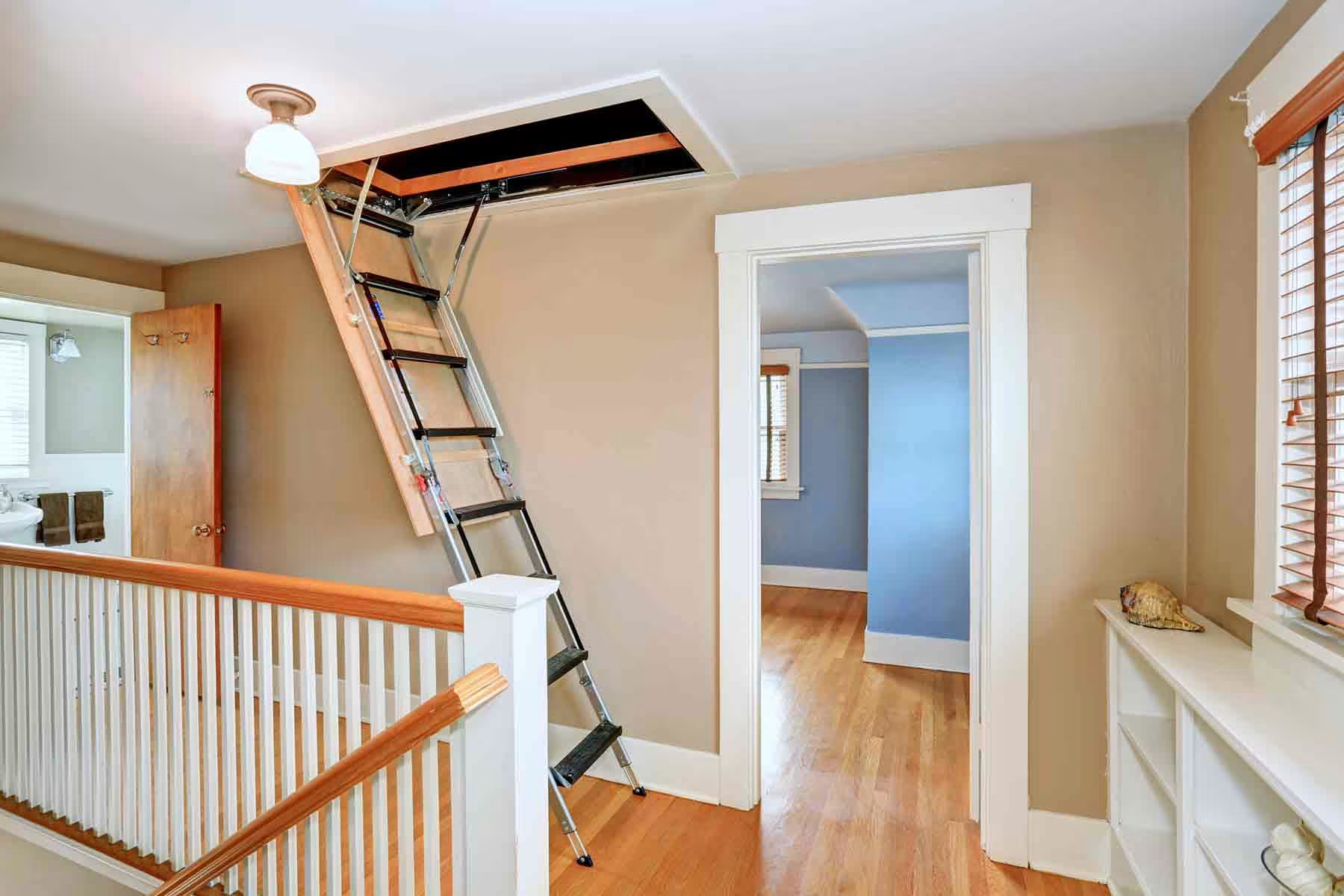
A properly installed attic ladder can turn an awkward opening into a much more practical storage solution. Instead of balancing on a chair or dragging a heavy portable ladder across the house, you have a dedicated way to reach the attic.
Safety should come first, though. The ladder needs to be appropriate for the opening and ceiling height, securely attached, and capable of handling the expected load. Homeowners should also consider insulation around the attic opening because an improperly sealed hatch can contribute to unwanted heat transfer.
Good Installation Is About the Details
It’s tempting to think that home improvement is mostly about buying the right product. In reality, installation often makes the bigger difference.
Two homes can have the same door, the same wall material, or the same attic ladder, yet the finished results may look completely different. Why? Preparation and fitting.
Measurements need to be accurate. Surfaces should be checked before work begins. Materials must be suitable for the existing structure. And small adjustments shouldn’t be ignored just because they aren’t visible from across the room.
This is where experienced professionals can save homeowners a lot of frustration. A job that looks straightforward on a product instruction sheet can become surprisingly complicated once an installer encounters an uneven frame or an older house with slightly unusual dimensions.
Think About Safety, Not Just Appearance
A home should look good, but it should also work safely.
Loose doors, damaged drywall around electrical fixtures, unstable attic access, and poorly secured fittings can all create unnecessary risks. Some problems are obvious. Others aren’t.
For example, a door that doesn’t latch properly might seem like an annoyance until it becomes a security concern. An attic ladder that isn’t securely mounted can become dangerous when someone is carrying a box. A wall repair around a damaged area shouldn’t simply hide the problem if there is an underlying moisture issue.
Before covering up a visible problem, it’s worth asking why it happened in the first place.
Repairs Can Be an Opportunity to Inspect
One useful habit during home maintenance is to look beyond the immediate repair.
If you’re fixing a damaged section of drywall, check for signs of moisture. If you’re replacing a door, inspect the frame and surrounding trim. If you’re improving attic access, take a quick look at the surrounding insulation and the condition of the opening.
This doesn’t mean turning every small repair into a major renovation. It’s simply about paying attention.
Sometimes you catch a problem early. That’s a win.
Choosing Between DIY and Professional Help
There are plenty of home projects that confident homeowners can handle themselves. Painting a small room or replacing basic hardware may be perfectly manageable with some preparation.
Other jobs are less forgiving.
Anything involving structural changes, difficult measurements, electrical systems, moisture damage, or safety-critical installations deserves extra caution. Saving a little money upfront isn’t much of a bargain if the work has to be redone later.
A good approach is to be honest about your skills, tools, time, and patience. Watching a ten-minute tutorial doesn’t necessarily make a complicated installation ten minutes long.
Sometimes hiring someone who does the job every week is simply the sensible choice.
Small Upgrades Add Up
Home improvement doesn’t have to happen all at once. In fact, trying to tackle everything in a single weekend can be exhausting and expensive.
Instead, pay attention to the things that repeatedly cause inconvenience. Fix the sticking door. Repair the damaged wall. Improve awkward attic access. Replace the fitting you’ve been complaining about for six months.
Little by little, the house starts feeling better.
And that’s really the point of practical home improvement. It’s not about making a home look like a magazine spread. It’s about creating a space that works for the people living in it.
A Home Should Feel Easy to Live In
The most worthwhile upgrades are often the ones you stop noticing after they’re finished. A door opens smoothly. A wall looks whole again. Storage becomes easier to reach. Nothing dramatic happens—and that’s exactly what makes it successful.
Good home maintenance is less about chasing perfection and more about removing small frustrations before they become bigger ones.
Sometimes, improving your home is simply about making everyday life a little easier. And honestly, that’s a pretty good reason to pick up the phone, make a plan, and finally fix that thing you’ve been meaning to fix.