Choosing the Right Water Treatment for a Healthier Home
Water is something most of us use dozens of times a day without giving it much thought. We drink it, cook with it, wash clothes in it, shower in it, and send it through appliances that quietly depend on a reliable supply. So when the quality isn’t quite right, the effects can show up in more places than the kitchen faucet.
Maybe the water has an odd taste. Perhaps you’re seeing chalky buildup around fixtures, noticing spots on freshly washed dishes, or wondering why your skin feels dry after a shower. These aren’t necessarily signs of a serious problem, but they are worth paying attention to.
The good news is that water treatment doesn’t have to be mysterious. Once you understand where your water comes from and what’s actually in it, choosing the right solution becomes much easier.
Start by Understanding Your Water Source
The first question is simple: where does your water come from?
Homes connected to municipal supplies receive treated water from a local utility. Private wells, meanwhile, rely on groundwater, which can vary considerably depending on local geology and conditions. Neither source is automatically perfect or problematic. They simply have different considerations.
A professional assessment can determine what your water contains and how it behaves inside your plumbing system. Testing may look for hardness, iron, sediment, chlorine, pH, and other characteristics.
That information matters because treatment should be based on actual water conditions, not assumptions. A system that works beautifully in one neighborhood may be unnecessary—or insufficient—in another.
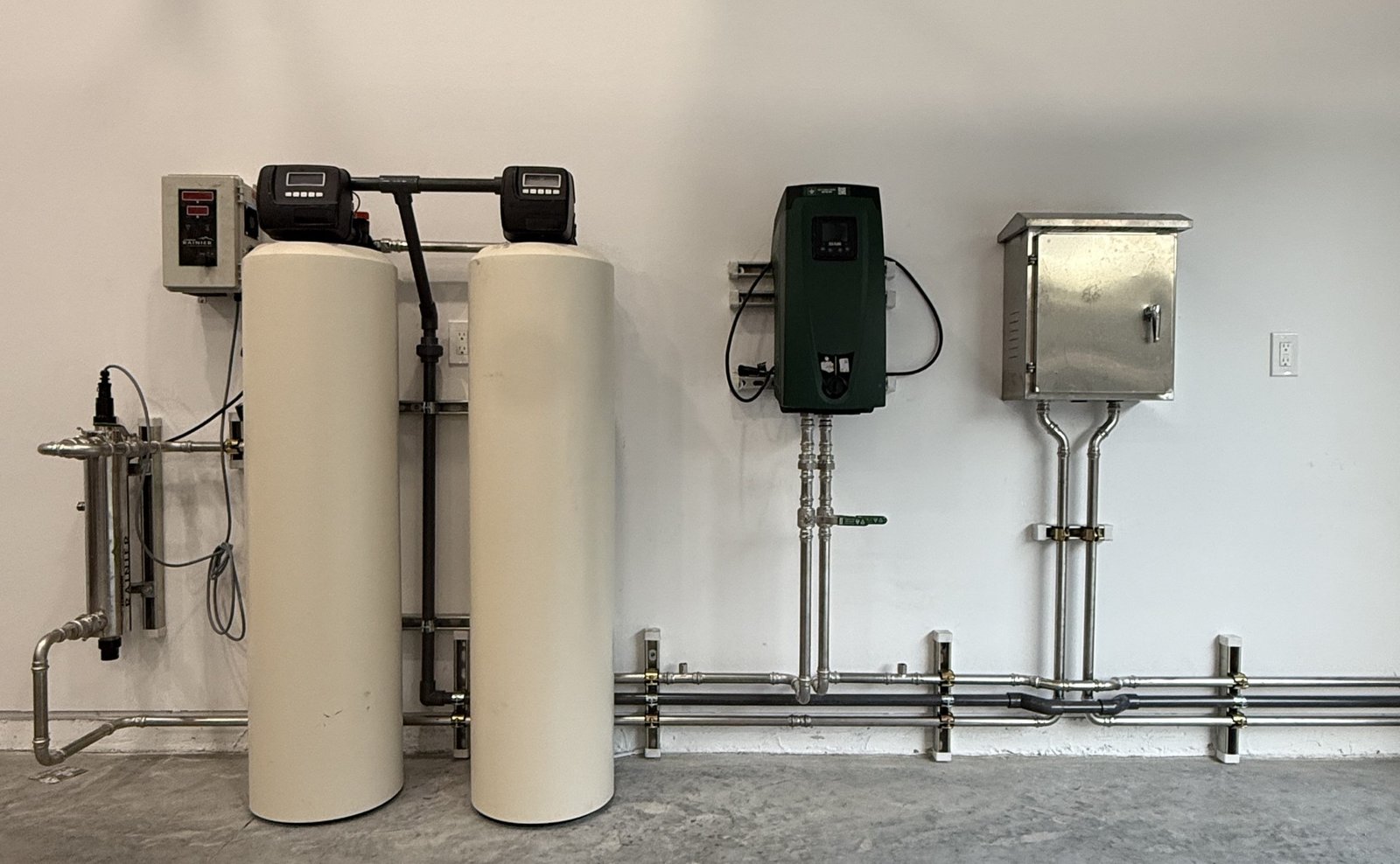
For homeowners dealing with both private wells and municipal supplies, well & city water treatment can provide tailored options rather than forcing every property into the same setup.
Hard Water Can Be More Than a Nuisance
Hard water is one of the most common reasons homeowners explore treatment options. It contains elevated levels of minerals such as calcium and magnesium. While these minerals aren’t usually something people notice when drinking the water, they can certainly leave their mark around the house.
White scale on faucets is a familiar example. You may also see deposits inside showerheads, kettles, coffee makers, and water heaters.
Over time, mineral buildup can make cleaning more difficult and may affect plumbing fixtures and appliances. Soap can also behave differently in hard water, leaving behind residue that makes showers, sinks, and laundry feel less fresh.
This is where water softeners can be useful. A properly selected softener reduces the minerals responsible for hardness, helping minimize scale and improving the overall feel of water around the home.
Not Every Water Problem Requires the Same Solution
It’s tempting to think of water treatment as one big category with one universal fix. In reality, different systems address different concerns.
A sediment filter, for instance, is designed to capture suspended particles. Carbon filtration can help reduce chlorine and improve taste and odor. Water softeners target hardness minerals. Other systems are designed for more specialized contaminants.
That’s why a water test should generally come before purchasing equipment. Otherwise, homeowners can end up paying for technology that doesn’t solve their particular problem.
Think of it like buying glasses. You wouldn’t choose a prescription before having your eyesight checked. Water treatment works in much the same way: understand the problem first, then choose the solution.
Drinking Water Deserves Special Attention
Whole-house treatment is useful for many households, but drinking water sometimes calls for an additional layer of filtration.
The kitchen tap is used for drinking, cooking, making coffee, preparing baby formula, and countless other everyday tasks. If taste or quality is a concern, a point-of-use system can provide more targeted treatment.
Reverse osmosis drinking water systems are one popular option because they use a semipermeable membrane along with other filtration stages to reduce a broad range of dissolved substances. The result can be noticeably cleaner-tasting water, depending on the original water quality and system configuration.
Of course, reverse osmosis isn’t automatically necessary for every household. It can also produce wastewater during operation and requires filter and membrane replacement. The right choice depends on the water analysis and what the homeowner actually wants to achieve.
Consider the Whole Household
When choosing treatment equipment, don’t focus only on the drinking glass.
Think about showers, laundry, water heaters, dishwashers, faucets, and plumbing. If hard water is causing scale throughout the property, treating only drinking water won’t address those issues.
On the other hand, if the primary concern is taste or specific dissolved contaminants in drinking water, installing a large whole-house system might be more than you need.
The best approach is usually the one that matches your priorities, budget, water conditions, and maintenance preferences. There’s no prize for owning the most complicated system.
Maintenance Is Part of the Investment
Even excellent water treatment equipment needs attention. Filters have a lifespan. Softener components need checking. Reverse osmosis membranes eventually require replacement. Neglecting maintenance can gradually reduce performance.
A simple maintenance schedule makes a difference. Keep track of filter changes and have the system inspected when recommended by the manufacturer or water-treatment professional.
Also pay attention to changes in water quality. If the taste suddenly changes, pressure drops, or unusual odors appear, don’t simply assume the equipment is fine because it was working last year.
Water conditions can change, and equipment can fail. A little vigilance saves trouble later.
Better Water Starts With Better Information
Choosing a water treatment system shouldn’t feel like a guessing game. Start with your water source, test the water, identify the actual concern, and then compare treatment options based on what the results show.
For some households, the answer may be a softener. For others, filtration or reverse osmosis may make more sense. Sometimes a combination is appropriate.
The important thing is not to chase technology for its own sake. Good water treatment is practical. It should solve a real problem, fit comfortably into your household routine, and remain manageable over the years.
After all, clean, reliable water isn’t about having the fanciest equipment in the utility room. It’s about turning on the tap and feeling confident about what’s coming out.