Living on the Gulf Coast Means Your Wiring Works Harder Than You Think
If you’ve spent any real time in Fort Walton Beach, you know the weather here isn’t exactly gentle. Salt air, humidity that never really lets up, the occasional hurricane threat looming every summer — it’s a beautiful place to live, but it’s rough on a house. And I mean that literally. All that moisture and salt in the air doesn’t just fade your porch furniture and rust your bike; it gets into electrical systems too, corroding connections and wearing down components way faster than they’d wear down somewhere drier and less coastal.
Most people don’t think about that until something starts acting up. An outlet that stopped working in the guest room. A ceiling fan that hums funny. A breaker that trips whenever the AC and the dryer run at the same time, which, let’s be honest, happens more than we’d like to admit in this heat.
Coastal Living Changes the Rules a Bit
Here’s the thing about electrical services in Fort Walton Beach — they’re not quite the same as electrical work inland. Local electricians here deal with corrosion issues, storm prep, and humidity-related wear that someone working in, say, a dry mountain town would rarely run into. They know which materials hold up to salt air and which ones quietly fall apart within a few years. That local knowledge actually matters a lot more than people realize when they’re comparing quotes or trying to decide who to call.
I talked to someone who moved down here from Ohio a while back, and she mentioned how her home inspector flagged corrosion on her outdoor outlets within the first year — something her inspector up north would’ve never even looked for, because it just wasn’t a concern there. Down here, it’s practically routine. The environment asks more of your wiring, so the standard for maintaining it has to be higher too.
The Stuff You Don’t Notice Until You Do
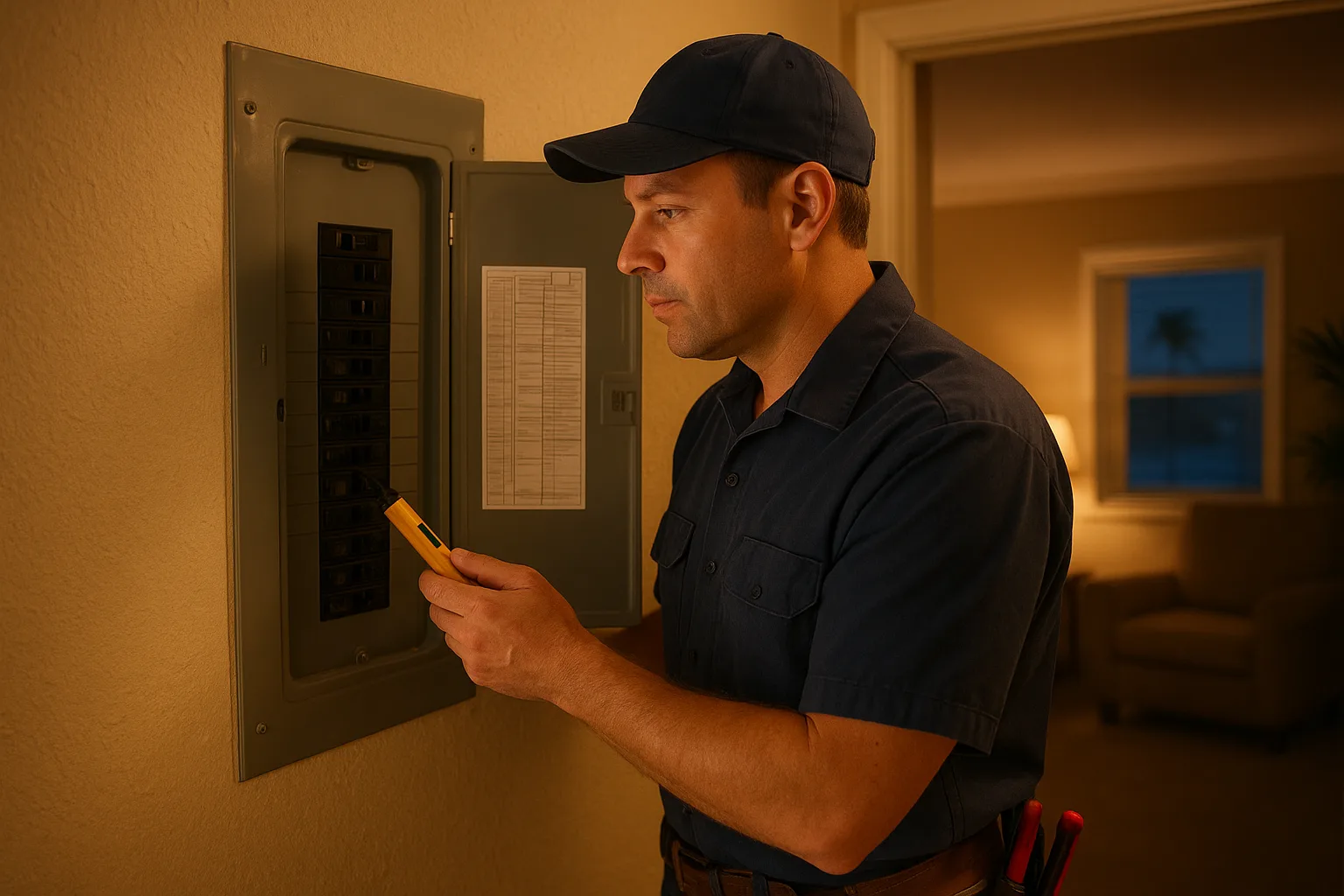
A lot of electrical trouble builds slowly. It’s not usually one dramatic event — it’s more like a slow accumulation of small things that eventually catch up with a house. This is where ongoing maintenance actually pays for itself, even though it’s tempting to skip it when everything seems fine. Getting panels checked, outlets tested, and connections inspected on a regular basis catches the small corrosion or wear issues before they become the kind of problem that takes out power to half your house during a heatwave.
It’s a bit like going to the dentist, honestly. Nobody loves doing it, and it feels unnecessary right up until the moment it very much isn’t. A once-a-year inspection is nothing compared to the cost — and stress — of dealing with a full electrical failure, especially during storm season when contractors get booked out fast and everyone’s scrambling at once.
When Things Go Sideways Anyway
Even with the best maintenance, stuff happens. Storms knock out power lines, surges fry appliances, wiring that seemed fine suddenly isn’t. And when that happens, waiting around isn’t really an option — especially if you’re dealing with exposed wiring, a burning smell, or a breaker that won’t reset no matter what you try.
That’s when having access to real emergency help stops being a nice-to-know and becomes the only thing that matters. Not every company actually shows up fast when they say they will, which is frustrating to discover in the middle of a crisis. The ones worth keeping on speed dial are the ones who answer the phone at 11 PM on a Saturday and don’t treat it like an inconvenience. Because for the person standing in a dark kitchen wondering if it’s safe to open the fridge, it kind of is an emergency, even if it’s not life-threatening.
A Little Local Perspective Goes a Long Way
There’s something to be said for hiring people who actually understand the place you live in, not just the general rules of electrical work. Fort Walton Beach has its own quirks — older beach houses with wiring that’s seen one too many hurricane seasons, newer builds trying to keep up with modern power demands, plus that constant battle against salt and moisture eating away at everything metal.
None of this is meant to scare anyone, just a nudge to pay a little attention before the problem picks the timing for you. Electrical systems are quiet workers, mostly invisible until they’re not. Treat them with a bit of proactive care, know who to call when something goes wrong, and the peace of mind is honestly worth more than people expect until they have it.