Most homeowners don’t think much about the plumbing system when everything is working properly. Water comes out when the tap is turned on, the shower gets hot, the toilet flushes, and life carries on. It’s only when something goes wrong that the pipes suddenly become very important.
A weak shower, noisy faucet, water pressure that keeps changing, or a strange taste in the kitchen tap can all be little clues. Sometimes the issue is simple. Other times, it points to a larger problem involving the water supply, plumbing equipment, filtration, or pressure management.
Understanding a few basics can make it easier to spot trouble early and make better decisions when repairs or upgrades are needed.
Pressure Is More Important Than It Seems
Water pressure affects nearly every fixture in a home. Too little pressure can make showers disappointing and faucets slow. Too much pressure, meanwhile, can place unnecessary strain on pipes, fixtures, valves, and appliances.
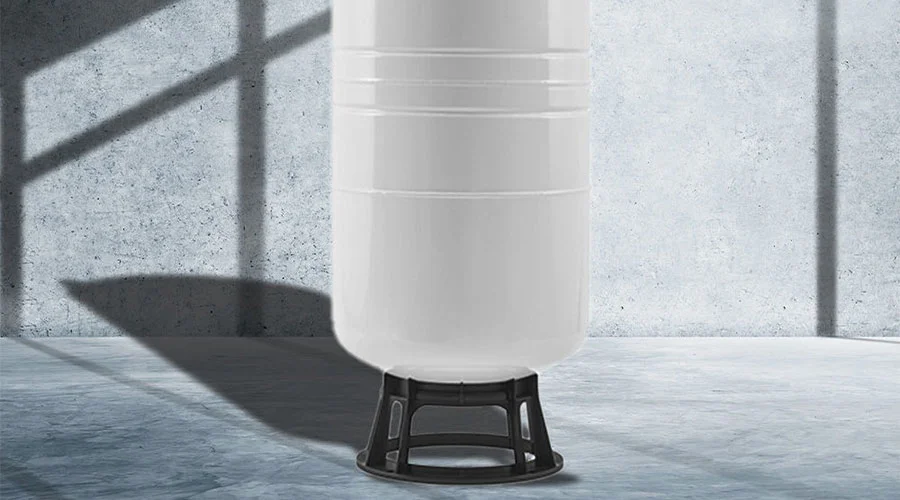
Homes that rely on private wells often have additional equipment designed to maintain a dependable supply. One important component is the pressure tank, which works alongside the well pump to help regulate water delivery.
Pressure tanks store a reserve of pressurized water, allowing the pump to operate in cycles rather than turning on every time someone opens a faucet. When properly sized and maintained, the tank can contribute to smoother water delivery and reduce unnecessary pump cycling.
If you notice frequent pump starts, inconsistent pressure, or unusual noises around the well equipment, it’s worth having the system inspected instead of assuming the pump is simply getting old.
Small Plumbing Problems Can Become Big Ones
A dripping faucet seems harmless. So does a slow drain. But plumbing problems have a habit of becoming more expensive when they’re ignored.
A small leak beneath a sink can damage cabinets or flooring. A toilet that runs continuously can waste a surprising amount of water. A slow drain may eventually become a complete blockage.
This is where routine general plumbing service can be useful. Professional plumbers can inspect fixtures, repair leaks, replace worn components, clear drainage problems, and identify issues that aren’t immediately obvious to the homeowner.
Not every plumbing problem requires an emergency call. In fact, scheduling repairs while an issue is still relatively minor is often the smarter move. Waiting until water is pouring through the ceiling is rarely part of anyone’s weekend plans.
Pay Attention to Changes in Water Quality
Plumbing isn’t only about moving water from one place to another. The condition of that water matters, too.
A sudden change in taste, odor, color, or clarity deserves attention. Brownish water could be associated with sediment or corrosion. A sulfur-like odor may point toward a water-quality issue. Cloudiness can have several possible causes, some harmless and others worth investigating.
The important thing is not to jump straight to a particular treatment system based on one observation. Water testing can provide much more useful information.
Once the characteristics of the water are understood, homeowners can determine whether filtration, softening, purification, plumbing repairs, or another solution is appropriate.
Drinking Water Starts With More Than a Filter
People often assume that installing a filter automatically solves every drinking-water concern. Unfortunately, water quality isn’t quite that simple.
Different treatment technologies are designed for different purposes. Some filters target sediment. Others improve taste and odor. Certain systems are designed to reduce specific dissolved substances.
The source of the water matters as well. Municipal water and private well water can present very different considerations.
For homeowners concerned about clean, safe drinking water, the best approach is to understand the supply before choosing equipment. A water test can help identify what is actually present, while a qualified water professional can explain which treatment options are appropriate.
That may sound less exciting than buying a shiny new filtration system, but it can save money in the long run.
Your Water Heater Needs Attention Too
Water heating is another part of the home system that’s easy to ignore until the morning shower suddenly turns cold.
Traditional storage water heaters can accumulate sediment over time, especially in areas with harder water. That buildup can affect efficiency and contribute to premature wear. Leaks, strange popping sounds, rusty water, or inconsistent temperatures are also signs that an inspection may be worthwhile.
Regular maintenance can help extend equipment life. Depending on the system, that may include flushing the tank, checking connections, inspecting valves, or evaluating the condition of heating components.
And if a unit is approaching the end of its expected service life, planning a replacement before a complete failure can make the process much easier.
Why Water Pressure Problems Shouldn’t Be Ignored
Water pressure that changes dramatically from one moment to the next can be frustrating. You might start a shower with decent pressure only to find it weakening when another fixture is used.
Several things can cause pressure problems. There could be an issue with the municipal supply, a clogged filter, a pressure regulator problem, a failing well component, or undersized plumbing.
The solution depends entirely on the cause.
That’s why randomly adjusting valves or replacing equipment isn’t always a good idea. A professional diagnosis can identify where the pressure is being lost and whether the problem is inside the home or somewhere in the supply system.
Maintenance Is Mostly About Prevention
Plumbing maintenance doesn’t have to mean constantly calling someone to inspect every pipe. It’s more about paying attention and dealing with small concerns before they become emergencies.
Look under sinks occasionally. Check exposed pipes for corrosion or moisture. Listen for toilets that keep running. Notice changes in water pressure. Keep an eye on the water heater. If you have a private well, don’t overlook the pump and pressure equipment.
These simple habits can reveal problems surprisingly early.
It also helps to know where your main water shutoff valve is located. In a serious leak, being able to shut off the supply quickly can make a huge difference.
A Better Way to Think About Your Home’s Water
Your home’s water system is really a collection of connected parts. The well or municipal supply, pressure equipment, pipes, fixtures, filtration, water heating, and drainage all have their own jobs, but they influence one another.
A problem in one area can sometimes show up somewhere completely different.
That’s why good water management starts with observation. If something changes, don’t dismiss it just because the house is still functioning. Strange noises, pressure fluctuations, leaks, unusual smells, or changes in water appearance are worth investigating.
You don’t need to become a plumbing expert to take better care of your home. A little awareness goes a long way.
In the end, dependable water isn’t about having the most complicated equipment or the latest technology. It’s about having a system that is properly designed, appropriately maintained, and suited to the needs of the people using it.
When the plumbing works quietly in the background, you barely notice it. And honestly, that’s a pretty good sign that everything is doing its job.