A Practical Look at Modern Water Filtration and Treatment for Everyday Homes
Water is something we use all day without giving it much thought. We drink it, cook with it, wash with it, make coffee with it, and depend on it for countless little routines. Yet when the quality of that water isn’t quite right, the difference can be surprisingly noticeable. Maybe there’s an odd taste in the morning coffee, white scale around the faucet, or a lingering smell that makes you reach for bottled water instead.
Thankfully, improving household water quality doesn’t have to be complicated. Modern treatment technologies offer practical ways to address specific concerns, but the key is choosing a system based on your actual water conditions rather than simply buying the most expensive option available.
Why Water Quality Can Vary From Home to Home
Even homes in the same neighborhood can experience different water-quality issues. The original water source matters, but so do plumbing materials, storage tanks, local conditions, and the age of the property’s infrastructure.
Some water contains high levels of calcium and magnesium, commonly referred to as hard water. Other sources may have sediment, unpleasant tastes, odors, or other substances that homeowners would rather remove before drinking.
This is why water filtration & treatment systems come in so many different forms. There isn’t really a one-size-fits-all solution. A filtration system designed to improve taste may not address hardness, while a softener won’t necessarily remove every substance that affects drinking water.
Start by Understanding Your Water
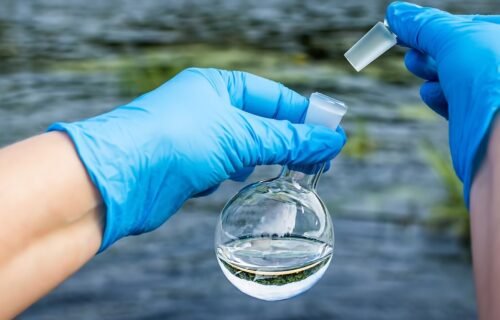
Before choosing equipment, it makes sense to figure out what you’re dealing with. Water testing can provide useful information about hardness, pH, minerals, and other quality indicators.
For households using municipal water, local water-quality reports can provide a starting point. Private well owners should consider regular testing because well conditions can change over time.
It might seem like an unnecessary extra step when you’re eager to solve a water problem, but it can save money in the long run. There’s little value in installing a specialized system for a problem that doesn’t actually exist.
When Whole-Home Treatment Makes Sense
Some homeowners only want to improve the water they drink. Others want better water throughout the property. If hard water is affecting showers, appliances, faucets, and laundry, treating just the kitchen tap may not solve the bigger issue.
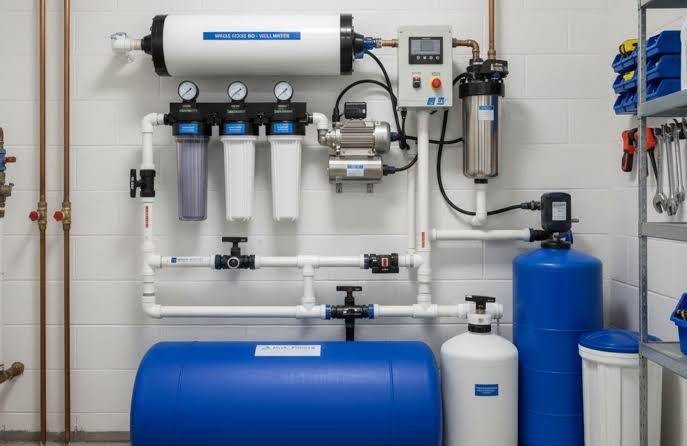
A whole home water treatment system is designed to address water entering the property, depending on the technology selected. This can provide a more comprehensive approach when multiple areas of the home are affected.
Whole-home systems can include different combinations of filtration, softening, conditioning, or other treatment technologies. The right setup depends on the source water and the specific goals of the household.
There’s also a convenience factor. Instead of managing several unrelated point-of-use devices, homeowners may prefer a centralized solution that’s easier to monitor and maintain.
Understanding Reverse Osmosis
Reverse osmosis has become a popular option for people looking for highly filtered drinking water. The technology uses pressure to push water through a specialized membrane, separating water from many dissolved substances and impurities.
A reverse osmosis drinking water system is typically installed at a specific point of use, such as the kitchen sink. This makes it particularly useful when the main priority is drinking and cooking water rather than treating every drop used in the home.
However, reverse osmosis isn’t magic. Systems require proper installation and regular maintenance, including membrane and filter replacement. They can also produce some wastewater during the filtration process.
So, before installing one, understand what it is designed to remove and whether those benefits match your needs.
The Difference Between Filtration and Softening
This is an area where homeowners often get confused. Filtration and water softening aren’t interchangeable.
A filter is generally used to reduce certain particles, chemicals, tastes, odors, or other targeted contaminants, depending on its design. A softener, meanwhile, is primarily intended to address hardness minerals.
Imagine two different household problems: one is water that tastes unpleasant, and the other is mineral scale building up on your showerhead. They may require completely different approaches.
Knowing the difference helps prevent unnecessary spending and makes it easier to build a treatment setup that actually works.
Maintenance Is Not Optional
A water treatment system is an appliance, not a set-it-and-forget-it purchase. Filters need changing. Components need checking. Some systems require periodic sanitization or professional servicing.
Skipping maintenance can reduce performance and, in some cases, create new problems. It’s a bit like ignoring the oil-change schedule on a car because the engine still starts every morning. Eventually, that decision can catch up with you.
Keep a simple record of replacement dates and follow the manufacturer’s maintenance recommendations. It doesn’t need to become another major household chore.
Think About Long-Term Costs
The purchase price is only one part of the financial picture. When comparing treatment options, look at filter replacement costs, maintenance, installation, electricity or water usage where applicable, and expected equipment life.
A low-cost system may seem attractive initially but become expensive if its consumables are costly or difficult to find. On the other hand, a higher-quality system can sometimes offer better value over several years.
Ask for clear information before making a decision. If a provider can’t explain ongoing costs in plain language, that’s worth considering before signing anything.
Making the Right Choice for Your Home
Good water treatment starts with a simple idea: solve the actual problem.
Test the water where possible. Identify whether your concern is hardness, taste, sediment, or something else. Then compare technologies that are designed to address that particular issue.
For some households, a simple filter may be all that’s needed. Others may benefit from a softener, a whole-home setup, or a dedicated drinking-water system. There’s no prize for choosing the most complicated solution.
Better Water Is About More Than Convenience
Water quality affects everyday life in ways that are easy to overlook. Better-tasting water can make drinking more enjoyable. Reducing hardness can help with scale and household maintenance. Targeted filtration can provide an additional treatment step for water used for drinking and cooking.
The smartest approach isn’t to chase marketing promises or assume that every new technology is necessary. It’s to understand your water, choose appropriate equipment, and maintain it properly.
After all, good water treatment should make life simpler, not harder. When the system fits your home and your needs, you can stop thinking about the water every time you turn on the tap—and that’s probably the best sign that you’ve made the right choice.