Why Your Home’s Water Quality Deserves More Attention Than You Might Think
The Water You Use Every Day Shapes More Than You Realize
Water is easy to take for granted. It flows the moment you turn the tap, fills your coffee pot every morning, rinses fresh vegetables before dinner, and powers countless daily routines without asking for much attention. Because it’s always there, most of us assume it’s doing exactly what it should.
But here’s the thing—water quality isn’t something you notice only when it becomes a serious problem. More often, it’s the little signs that quietly appear over time. A strange smell from the faucet. Soap that doesn’t rinse away properly. Glasses that never seem completely clear after coming out of the dishwasher. They seem unrelated at first, but they’re often connected by one simple factor: the quality of the water running through your home.
As homeowners become more informed, they’re beginning to understand that clean water isn’t just about drinking. It’s about protecting the home, improving everyday comfort, and making smarter long-term decisions.
Every Water Source Has Its Own Story
No two homes receive exactly the same water.
Some properties rely on municipal water systems, while others use private wells. Even homes located in the same neighborhood can experience noticeable differences depending on local infrastructure, seasonal conditions, or the minerals naturally present underground.
Municipal treatment facilities work hard to make water safe according to public health standards, but that doesn’t necessarily mean the water arriving at your faucet is perfect for every household. During its journey through miles of pipes, water can pick up minerals, sediment, and other elements that affect its quality.
That’s why understanding your home’s water is far more valuable than assuming it’s identical to everyone else’s.
When Water Starts Affecting Everyday Life
Many people expect water problems to be dramatic, but they rarely are.
Instead, they quietly influence small moments throughout the day.
Coffee doesn’t taste quite as rich. Freshly washed clothes feel stiff instead of soft. Shower doors collect stubborn spots that never seem to disappear. Faucets require more frequent cleaning, and cooking becomes slightly less enjoyable because something just feels…off.
One of the first things homeowners notice is bad taste and odor in their tap water. Chlorine, sulfur compounds, organic materials, or naturally occurring minerals can all contribute to water that simply isn’t pleasant to drink. While the water may still meet safety standards, improving its taste often encourages families to drink more water instead of relying on bottled alternatives.
It’s a small change that can make a surprisingly big difference.
The Hidden Cost of Mineral Deposits
Hard water is one of the most common household water challenges, especially in areas with naturally high mineral content.
Calcium and magnesium aren’t dangerous, but they leave their mark over time.
Those white crusty rings around faucets, cloudy dishes, reduced water pressure, and stubborn soap residue are all familiar signs of hard water buildup. Inside your plumbing system, the effects can be even more significant. Water heaters, dishwashers, washing machines, and other appliances gradually accumulate mineral scale that reduces efficiency and increases wear.
Many homeowners don’t connect rising energy bills or shortened appliance lifespans to their water quality, but the relationship is often stronger than expected.
Preventing mineral accumulation today may help avoid expensive repairs years down the road.
Why Water Testing Is Always Worthwhile
Buying a filtration system without testing your water first is a little like buying prescription glasses without an eye exam.
You might get lucky—but probably not.
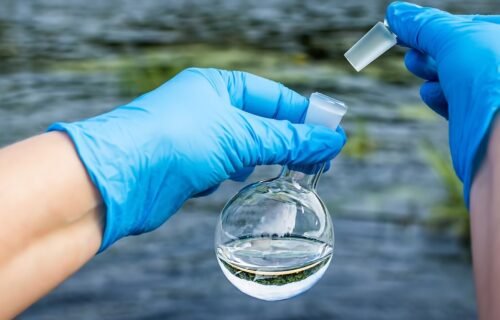
Professional water testing identifies what’s actually present in your home’s water so treatment can be tailored to real conditions rather than assumptions. Some homes need softening. Others require sediment removal, chlorine reduction, or specialized filtration for specific concerns.
Testing eliminates guesswork and helps homeowners invest in solutions that genuinely address their water quality instead of paying for features they don’t need.
It’s one of the smartest first steps anyone can take.
Looking Beyond What You Can See
Some water issues are visible.
Others aren’t.
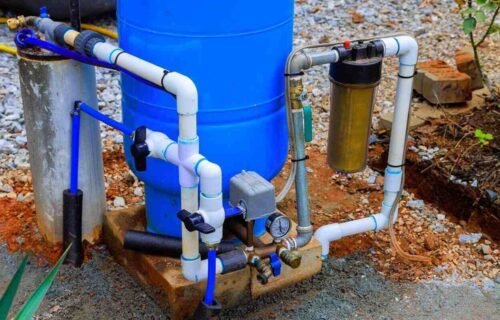
Water can appear perfectly clear while still containing dissolved substances that affect its overall quality. Depending on local conditions, homeowners may want to reduce harmful contaminants through advanced filtration systems designed for their specific water source.
The important point is balance. Rather than assuming every home faces the same risks, it’s better to understand your own water profile and choose treatment based on actual findings.
That practical approach saves money while providing greater confidence in the water your family uses every day.
Better Water Supports Everyday Comfort
It’s interesting how quickly people adapt to cleaner water once they experience it.
Shampoo rinses more easily. Towels feel softer. Ice cubes taste fresher. Tea and coffee often develop richer flavor profiles because unwanted tastes aren’t competing with the ingredients.
These aren’t dramatic transformations that happen overnight, but they become noticeable over time.
The improvements are subtle enough to feel natural yet meaningful enough that many homeowners wonder why they waited so long.
Sometimes the greatest benefit isn’t one single change—it’s the collection of dozens of small improvements throughout daily life.
Protecting the Home for the Long Run
Homeownership is filled with investments that don’t always receive much attention.
Roof maintenance.
Heating systems.
Electrical upgrades.
Water quality belongs on that list too.
Cleaner water supports plumbing efficiency, helps appliances operate more effectively, and reduces unnecessary maintenance caused by sediment and mineral deposits. While filtration systems require occasional servicing, they often contribute to lowering long-term repair costs by helping household equipment work under better conditions.
Viewed over several years, that’s a practical investment rather than simply another household expense.
Making Water Quality Part of a Healthier Home
Creating a comfortable home isn’t only about beautiful kitchens or freshly painted walls.
It’s also about the things you experience every single day but rarely notice until they’re improved.
Good water contributes to cooking, cleaning, bathing, hydration, and countless everyday routines that shape family life. Whether you’re filling a baby’s bottle, preparing dinner, or simply enjoying a glass of cold water after work, confidence in your water matters.
The goal isn’t perfection. It’s consistency.
Knowing that your home provides fresh, dependable water creates a quiet sense of reassurance that’s difficult to measure but easy to appreciate.
Final Thoughts
Water touches nearly every aspect of daily life, yet it’s often one of the most overlooked parts of home maintenance. Small issues like unpleasant taste, mineral deposits, or declining appliance performance may all point toward opportunities for improvement.
Taking the time to understand your home’s water through proper testing and selecting the right treatment solution isn’t just about solving today’s problems—it’s about protecting your family’s comfort and your home’s future.
At the end of the day, better water simply makes everyday living easier. And sometimes, it’s the improvements we don’t constantly think about that end up making the biggest difference.