Why Reliable Water Treatment Matters More Than You Think
Clean water is one of those things most people don’t think about until there’s a problem. The water looks clear, the tap works, and everything seems normal. Then one morning, there’s a strange smell in the shower, spots appear on the glass, or the water suddenly tastes a little off. That’s usually when water quality moves from “something I’ll check later” to a real concern.
A good water treatment system can make everyday life easier, but the equipment itself is only part of the picture. What really matters is how well the system is selected, maintained, and supported over time. Water quality can change, filters need attention, salt levels drop, and equipment eventually needs servicing. Having the right support can save homeowners from small issues becoming expensive headaches.
Water Quality Is More Than Just Appearance
Clear water isn’t necessarily clean water. Some contaminants have no visible signs at all, which makes them especially easy to overlook.
Depending on where your water comes from, you may be dealing with hard water minerals such as calcium and magnesium, chlorine, sediment, iron, sulfur-related odors, or other unwanted substances. Municipal water and private well water can have very different treatment needs, too.
That’s why guessing isn’t the best way to choose a filtration or softening system. A proper water analysis can identify what’s actually present and help determine which treatment method makes sense.
For homeowners who aren’t sure where to begin, a free water test can be a practical first step. Instead of buying a system based on a neighbor’s recommendation or an online review, you get information about your own water. It’s a small step, but it can prevent a lot of unnecessary spending.
Why Water Softeners Still Matter
Hard water is common in many areas, and while it isn’t usually considered a serious health concern by itself, it can be a nuisance around the home.
Calcium and magnesium can leave mineral deposits on faucets, shower doors, dishes, and appliances. Over time, scale can build up inside water heaters and plumbing fixtures. You might notice that soap doesn’t lather as easily, laundry feels stiff, or your glassware comes out of the dishwasher covered in spots.
A water softener works by reducing hardness minerals before they travel throughout the home. The result can be noticeably different in everyday tasks, from taking a shower to washing clothes.
But like any mechanical system, a softener isn’t completely “set it and forget it.” It needs the right settings, occasional maintenance, and an adequate supply of regeneration salt.
Maintenance Is What Keeps the System Working
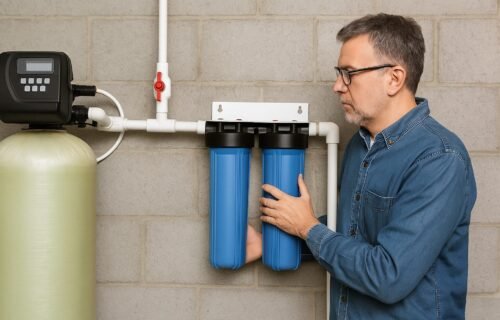
Even a high-quality treatment system can lose effectiveness when routine maintenance is ignored. Filters eventually become loaded with sediment or contaminants. Moving parts can wear down. Settings may need adjustment as household water usage changes.
This is where dependable service becomes valuable.
Homeowners often wait until something stops working before calling for help. Understandable, of course. Nobody wants another appointment on the calendar. But preventative service can catch problems earlier, when they’re usually easier and less expensive to fix.
A company offering dependable ongoing service can help with routine inspections, filter changes, system adjustments, troubleshooting, and replacement parts when needed. It also means you’re not starting from scratch every time there’s an issue. Someone familiar with the equipment can often identify the problem much faster.
Don’t Ignore the Little Signs
Water treatment problems don’t always arrive dramatically. More often, there are little clues.
Maybe the water pressure feels slightly different. Perhaps the shower has developed a faint sulfur smell. You might notice white residue around fixtures or realize that your water softener seems to be using salt much faster than usual.
These details are worth paying attention to.
A strange odor, unusual taste, visible sediment, recurring scale, or sudden changes in water performance can all be reasons to have your water and equipment checked. Sometimes the fix is simple. Other times, the system may need more significant attention. Either way, finding out early is generally better than ignoring it.
Keeping Your Water Softener Supplied
Salt-based water softeners need salt for the regeneration process. When the salt supply gets too low, the system may stop softening water effectively.
It sounds simple, but busy households can forget. The salt tank sits quietly in a basement, garage, utility room, or side area, and nobody thinks about it until hard-water symptoms return.
Planning ahead helps. Some water treatment providers offer a monthly salt sale or recurring opportunities to purchase supplies, which can make it easier to keep the system ready without making last-minute trips.
It’s also worth checking the manufacturer’s recommendations. Not every system uses the same type or amount of salt, and using an unsuitable product can create unnecessary problems.
Choosing the Right Treatment System
There isn’t one water treatment solution that works perfectly for every household.
A home with municipal water may need chlorine reduction or filtration, while a private well might require treatment for iron, sulfur odors, sediment, or hardness. Some homeowners want better-tasting drinking water at one faucet, while others want treatment throughout the entire house.
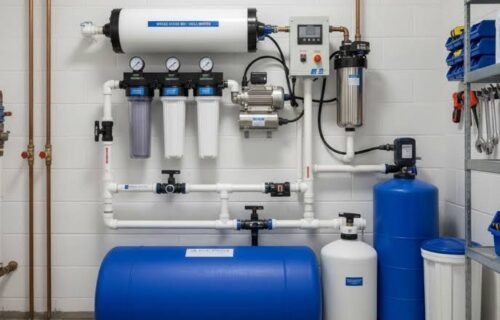
Point-of-use systems, whole-home filtration, water softeners, reverse osmosis systems, and specialized filters each serve different purposes.
The best approach is to start with the water itself. Once you understand the problem, you can look at equipment designed to address it.
Cost matters, naturally, but it shouldn’t be the only deciding factor. Consider installation quality, replacement filters, maintenance requirements, warranty coverage, operating costs, and the availability of service. A cheaper system that becomes difficult to maintain may not actually save money over several years.
Professional Help Can Make Things Simpler
Water treatment can become surprisingly technical. Flow rates, water chemistry, filter capacity, regeneration schedules, installation requirements — there’s a lot going on behind what looks like a simple appliance.
That doesn’t mean homeowners need to understand every technical detail.
A qualified water treatment professional can evaluate the water, explain the options in plain language, and recommend equipment based on actual household needs. Good professionals should also be willing to explain why a particular solution is appropriate rather than simply pushing the most expensive system.
That kind of transparency matters. You’re not just buying equipment; you’re investing in something your family uses every single day.
Better Water Is an Everyday Investment
Water quality affects more than drinking. It touches laundry, bathing, cooking, cleaning, plumbing fixtures, and appliances. When the water is properly treated, many of those everyday annoyances simply fade into the background.
The goal isn’t necessarily to install the biggest or most sophisticated system available. It’s to understand your water, choose treatment that fits your needs, and keep that system working properly.
And honestly, that last part is easy to overlook. Good water treatment isn’t just about what happens on installation day. It’s about what happens months and years afterward.
With regular testing, sensible maintenance, timely supplies, and professional support when necessary, homeowners can protect their plumbing, improve everyday water quality, and avoid many of the frustrations that come with untreated or poorly treated water. Sometimes the best home improvements are the ones you barely notice — because they quietly make life work better.