Creating a Beautiful Outdoor Space with Ponds, Fountains, Water Gardens, and Smart Irrigation
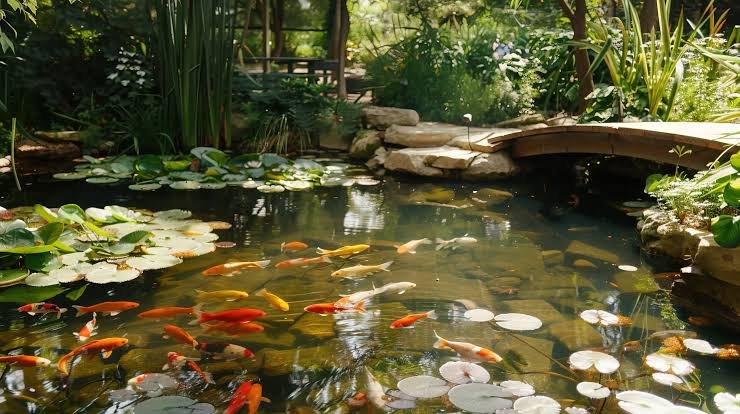
There’s something comforting about water in a garden. The soft sound of moving water, the reflection of sunlight on a quiet surface, even the occasional splash of a bird stopping for a drink—it can make an ordinary outdoor space feel completely different. You don’t necessarily need a huge property or an elaborate landscape design, either. With thoughtful planning, features such as fish ponds can become natural focal points while also adding character and a little life to the garden.
Designing a water-friendly landscape, however, involves more than choosing something that looks good in a photograph. Water features need the right location, plants need suitable growing conditions, and the entire space should work with the surrounding landscape rather than fighting against it. A good outdoor design feels effortless. Usually, that means there was quite a bit of thought behind it.
Start With the Landscape You Already Have
Before digging, building, or buying equipment, take a proper look at your yard. Where does sunlight fall during the day? Which areas stay damp after rain? Where does water naturally collect? And perhaps most importantly, where do you actually spend time?
A water feature positioned where nobody sees or hears it may look beautiful, but it won’t have much impact. A small pond near a patio, for instance, can be far more enjoyable than a larger one tucked away behind a shed.
Think about scale, too. A tiny garden can feel crowded when a large feature dominates it. On the other hand, a small fountain may disappear visually in a wide-open backyard. Proportion matters more than size.
The Simple Charm of Fountains
Few garden features are as versatile as fountains. They can fit into compact courtyards, large lawns, entry gardens, and even narrow side spaces. Their biggest advantage is movement. Still water has a calm quality, while flowing water brings sound and energy into the landscape.
There are plenty of styles to consider. Traditional stone fountains work beautifully in classic gardens, while sleek geometric designs suit modern homes. Wall-mounted fountains can save floor space, and simple bubbling features can provide the atmosphere of a larger installation without requiring a massive footprint.
Location matters here as well. Keep the fountain somewhere it can be enjoyed, but avoid placing it where constant splashing could damage walls, furniture, or nearby plants. Wind direction is another small detail people sometimes overlook. Strong breezes can carry water outside the feature and gradually turn a relaxing project into a maintenance headache.
Designing a Natural Water Garden
For homeowners who want something softer and more organic, water gardens can offer a lovely middle ground between landscaping and wildlife habitat. Instead of making the water feature look like an object placed in the yard, the goal is to make it feel as though it belongs there.
Plants are a big part of that illusion. Water lilies can provide broad floating leaves and seasonal flowers, while marginal plants around the edges help soften hard lines. Depending on the climate, options such as rushes, iris, and certain grasses can create a more natural transition between water and land.
Don’t overcrowd the space, though. It’s tempting to keep adding plants because they look attractive at the garden center. Give them room to grow. A water garden that looks slightly sparse when first installed may look wonderfully full after a growing season or two.
You should also consider maintenance before choosing plants. Some species spread aggressively, and others shed leaves that can contribute to debris buildup. A beautiful pond that’s difficult to manage won’t stay beautiful for long.
Keeping Water Features Healthy
Water features need care, although that doesn’t mean you should spend every weekend cleaning them.
Good circulation is one of the first things to consider. Pumps and filters can help keep water moving and reduce the conditions that encourage unwanted algae. Removing leaves and other debris regularly also makes a noticeable difference.
For ponds containing fish, water quality becomes even more important. Fish need adequate oxygen, appropriate temperatures, and a stable environment. Avoid adding too many fish simply because the pond appears large enough at first glance. Population can increase the biological load surprisingly quickly.
Mosquito control deserves attention, too. Moving water is generally less attractive to mosquitoes than stagnant water, but neglected areas can still become breeding spots. Regular maintenance and sensible circulation can help.
Watering the Rest of the Garden
A beautiful pond or fountain shouldn’t come at the expense of the rest of the landscape. Plants still need consistent moisture, and this is where irrigation becomes an important part of the overall design.
A well-planned irrigation system delivers water where it’s needed rather than soaking everything indiscriminately. Drip irrigation is particularly useful for flower beds, shrubs, vegetable gardens, and areas where water conservation is a priority. Sprinklers can work well for lawns and larger planting zones.
Smart irrigation controllers can make the system even more efficient. Some modern systems adjust watering schedules according to weather conditions or soil moisture, reducing unnecessary watering after rainfall.
The goal isn’t simply to use less water. It’s to use the right amount at the right time. Overwatering can damage plants just as surely as neglect can.
Make Maintenance Part of the Design
This might be the least exciting part of planning a garden, but it’s one of the most important.
When designing your outdoor space, leave enough access around pumps, filters, drains, and electrical components. Don’t bury essential equipment beneath dense planting just because it looks tidier. You’ll appreciate that decision the first time something needs cleaning or repairing.
Choose materials that can handle your local weather, too. Outdoor surfaces face heat, rain, changing temperatures, and plenty of dirt. Durable stone, properly treated timber, quality liners, and weather-resistant fixtures may cost more initially, but replacing cheap materials every few years isn’t exactly a bargain.
And remember that gardens change. Trees grow, roots spread, plants become larger, and drainage patterns can shift. A good landscape design leaves some breathing room for that evolution.
Creating a Space You’ll Actually Use
The best outdoor spaces aren’t necessarily the most expensive ones. They’re the spaces that make people want to linger.
Perhaps that’s a small fountain beside a bench where you drink morning coffee. Maybe it’s a pond surrounded by planting where children can watch insects and birds. Or perhaps it’s simply a shaded garden with a few carefully chosen water elements that make summer afternoons feel a little slower.
Water has a strange ability to make a garden feel more alive while also making it feel calmer. That’s the real appeal.
So, when planning your landscape, don’t chase every trend or try to recreate a garden you’ve seen online. Start with your property, your climate, your available time, and the way you want to use the space. Build from there.
A thoughtful combination of water, plants, pathways, and efficient watering can turn even a fairly ordinary yard into somewhere people genuinely enjoy being. And honestly, that’s what a good garden should do—it should invite you outside, then give you a reason to stay.