Better Water Starts With the Right Approach: Testing, Guidance, and Professional Installation
Water is one of those things most people don’t think much about until something seems wrong. Maybe there’s an odd taste in your glass, a strange smell from the kitchen tap, or white scale collecting around the faucet. Sometimes the signs are obvious. Other times, the water looks perfectly clear while still containing minerals or other contaminants that affect its quality.
That’s why improving your home’s water isn’t simply about buying the most expensive filtration system you can find. The better approach is to understand what’s actually in your water, identify what needs attention, and choose a solution that fits your household. A thoughtful process can make a surprisingly big difference.
Start by Understanding Your Water
Every home has different water conditions. Municipal water and private well water can have very different characteristics, and even neighboring properties may experience different issues depending on plumbing, local geology, or water sources.
Testing is a sensible first step because it gives you information instead of guesswork. A good free water testing service can help homeowners identify common concerns such as hardness, chlorine, sediment, iron, sulfur-related odors, or other water-quality issues.
The important part isn’t just getting a list of numbers. Those results should be explained in plain language. If you’re not sure what a particular reading means, ask questions. Water quality can be confusing, and a test report filled with technical terms isn’t particularly useful if nobody helps you understand it.
Why Water Problems Can Be Easy to Miss
Not every water-quality issue announces itself. Hard water, for example, may not look unusual when it comes out of the tap. Yet over time, calcium and magnesium can contribute to mineral deposits on fixtures, spots on dishes, and scale inside appliances.
Similarly, sediment may become noticeable only when it affects water pressure or leaves particles in a glass. Chlorine may simply change the taste or smell of drinking water.
This is where paying attention to everyday clues helps. If your showerhead frequently needs cleaning, your soap doesn’t seem to rinse easily, or your kettle develops a chalky coating, your water may be telling you something.
You don’t necessarily need an elaborate system for every problem, either. The right treatment depends on the actual issue.
A Water Solution Should Fit Your Home
There’s no universal water treatment system that works perfectly for every household. A family concerned mainly about drinking water may need a different solution from a homeowner dealing with hard water throughout the entire property.
Household size matters, too. So does daily water consumption, plumbing configuration, available installation space, and the source of the water.
A personalized consultation can make this process much easier. Instead of choosing equipment based on a generic advertisement, homeowners can discuss their water concerns, test results, household needs, and practical limitations before deciding what makes sense.
It’s a little like choosing a pair of shoes. The most expensive pair isn’t automatically the best pair. What matters is whether it actually fits.
Think Beyond Drinking Water
When people hear “water treatment,” they often think about the water they drink. That’s understandable, but water quality affects much more than the kitchen glass.
Hard water can leave deposits on bathroom fixtures and shower doors. Scale may accumulate in water heaters and appliances. Sediment can affect faucets and plumbing components. Certain odors can make showers and laundry less pleasant.
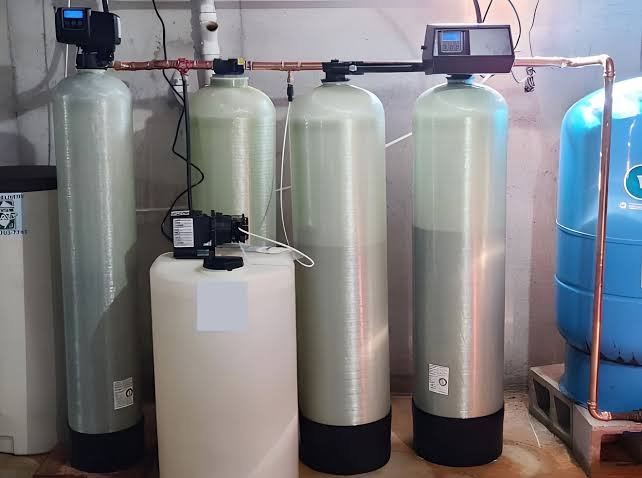
A whole-home approach may be worth considering when the issue affects multiple areas of the property. On the other hand, a point-of-use system might be enough if the main concern is drinking and cooking water.
The goal isn’t to install more equipment. It’s to solve the right problem.
Installation Matters More Than It Seems
Even a high-quality water treatment system needs to be installed correctly. Poor connections, incorrect sizing, unsuitable placement, or inadequate drainage can create headaches later.
Professional installation also helps ensure the equipment works with the home’s existing plumbing. An experienced technician can evaluate water lines, pressure, available space, and other practical details before completing the setup.
Choosing professional installation can also give homeowners greater confidence that the system has been configured properly from the beginning. Nobody wants to spend money on a treatment system only to discover months later that something wasn’t connected or adjusted correctly.
And yes, installation isn’t the glamorous part. But it’s often the part that determines how well the system performs day after day.
Maintenance Is Part of the Solution
Water treatment isn’t a “set it and forget it” purchase. Filters eventually need replacement, softeners may require maintenance, and equipment should be checked periodically to keep it operating efficiently.
Fortunately, routine maintenance is usually straightforward when you know what needs to be done. Keeping track of filter changes and paying attention to changes in taste, pressure, odor, or performance can help catch problems early.
It’s also worth keeping manufacturer recommendations nearby. Different systems have different maintenance schedules, and replacing a filter too late can reduce performance.
A little attention now can prevent a much bigger inconvenience later.
Make the Decision With Confidence
Homeowners often feel pressured to make quick decisions when they discover a water problem. But there’s really no need to rush into buying equipment before understanding the situation.
Start with testing. Look at the results. Ask questions. Consider which parts of your home are affected and what your household actually needs. Then compare treatment options based on performance, maintenance, installation requirements, and long-term value.
Good water treatment isn’t about chasing the latest gadget or purchasing the biggest system available. It’s about matching the solution to the water and the people using it.
In the end, clean, pleasant water should make everyday life easier—not more complicated. With accurate testing, practical guidance, and proper installation, homeowners can take a more confident approach to improving their water quality. And sometimes, that simple change is one you notice every single day.