Types of Roofing Materials: Pros, Cons, and Costs
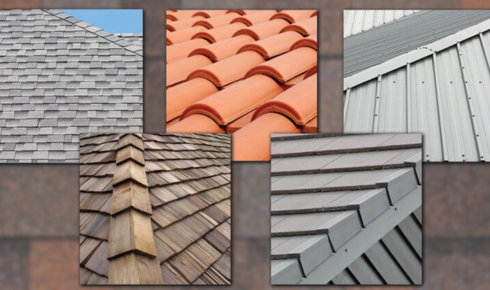
Choosing from the many types of roofing materials available today can feel overwhelming, especially when each option comes with different costs, durability, and maintenance needs. Your roof is one of the most important investments in your home, protecting it from weather, regulating temperature, and adding to overall curb appeal. This guide breaks down the most common roofing materials, along with their pros, cons, and cost considerations, to help you make an informed decision.
1. Asphalt Shingles
Asphalt shingles remain one of the most popular types of roofing materials due to their affordability and ease of installation.
Pros:
- Budget-friendly compared to most other roofing materials
- Available in a wide range of colors and styles
- Relatively easy and quick to install
Cons:
- Shorter lifespan compared to metal or tile roofing
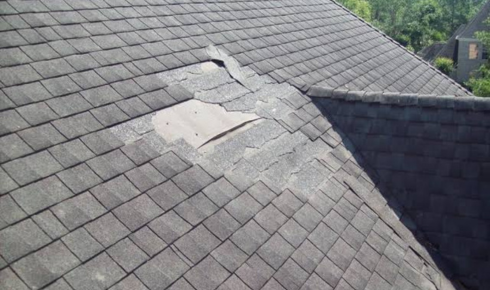
- More susceptible to weather damage over time
- Requires more frequent replacement
Asphalt shingles are a solid choice for homeowners looking for an affordable, straightforward roofing solution without a huge upfront investment.
2. Metal Roofing
Metal roofing has grown in popularity due to its durability and long lifespan.
Pros:
- Extremely durable, often lasting several decades
- Energy-efficient, reflecting heat and reducing cooling costs
- Resistant to fire, pests, and extreme weather conditions
Cons:
- Higher upfront cost compared to asphalt shingles
- Can be noisy during heavy rain without proper insulation
- Requires professional installation for best results
While the initial investment is higher, metal roofing often pays off over time due to its longevity and lower maintenance needs.
3. Clay and Concrete Tiles
Clay and concrete tiles are common in many regions due to their durability and classic aesthetic appeal.
Pros:
- Extremely long lifespan, often exceeding 50 years
- Excellent resistance to fire and extreme weather
- Naturally insulating, helping regulate indoor temperatures
Cons:
- Heavy weight requires strong structural support
- Higher installation costs due to specialized labor
- Tiles can crack under significant impact, like falling branches
These roofing materials work particularly well in hot climates, offering natural cooling benefits alongside their long-term durability.
4. Slate Roofing
Slate is considered one of the most premium types of roofing materials, known for its elegance and exceptional lifespan.
Pros:
- Can last over 100 years with proper maintenance
- Naturally fire-resistant and weatherproof
- Distinctive, high-end appearance that boosts curb appeal
Cons:
- Among the most expensive roofing materials available
- Heavy weight requires significant structural reinforcement
- Installation requires highly skilled, specialized labor
Slate is best suited for homeowners looking for a long-term investment who value aesthetics and durability over initial cost savings.
5. Wood Shingles and Shakes
Wood roofing offers a natural, rustic appearance that appeals to certain architectural styles.
Pros:
- Attractive, natural aesthetic that suits traditional homes
- Provides decent insulation compared to some other materials
- Can be a sustainable option when sourced responsibly
Cons:
- Requires regular maintenance to prevent rot and pest damage
- More vulnerable to fire compared to other materials
- Shorter lifespan in humid or heavy rainfall climates
Wood roofing works best in drier climates and for homeowners willing to commit to consistent upkeep and maintenance.
6. Cost Comparison of Roofing Materials
Understanding relative costs helps you compare options more effectively when planning a roofing project.
- Asphalt shingles — most budget-friendly option
- Wood shingles — moderate cost, higher maintenance investment over time
- Metal roofing — moderate to high upfront cost, lower long-term maintenance
- Clay/concrete tiles — higher upfront cost due to installation complexity
- Slate roofing — highest upfront cost, but longest lifespan among all options
When budgeting, remember to factor in installation, structural reinforcement (if needed), and long-term maintenance costs, not just the material price itself.
7. Choosing the Right Material for Your Climate
Climate plays a significant role in determining which roofing material performs best for your home.
- Hot climates benefit from reflective materials like metal or tile roofing
- Regions with heavy monsoon rainfall need materials with strong water resistance
- Areas prone to storms may benefit from impact-resistant materials like metal
Matching your roofing material to your local climate not only extends the roof’s lifespan but also improves overall energy efficiency.
8. Maintenance Considerations for Each Material Type
Ongoing maintenance requirements vary significantly across different types of roofing materials.
- Asphalt shingles need periodic inspection for curling or missing pieces
- Metal roofs require occasional checks for rust or loose panels
- Tile roofs need inspection for cracked or shifted tiles
- Wood roofing requires regular treatment to prevent rot and pest damage
If you’re unsure whether your current roof needs repair or replacement, check out our guide on signs your roof needs replacement for more clarity (internal link opportunity).
Frequently Asked Questions
1. What is the most durable roofing material? Slate and metal roofing are among the most durable options, often lasting several decades with proper maintenance.
2. Which roofing material is the most affordable? Asphalt shingles are typically the most budget-friendly option in terms of both material and installation costs.
3. What roofing material is best for hot climates? Metal and tile roofing are excellent choices for hot climates due to their reflective and insulating properties.
4. How long does a metal roof typically last? Metal roofs can last anywhere from 40 to 70 years depending on the material quality and maintenance.
5. Is wood roofing a good choice for humid climates? Wood roofing generally performs better in drier climates, since humidity and heavy rainfall can accelerate rot and damage.
6. Do different roofing materials affect home resale value? Yes, durable and aesthetically appealing materials like metal or tile can positively influence buyer perception and resale value.
Conclusion
Choosing among the many types of roofing materials comes down to balancing your budget, climate, and long-term maintenance preferences. From affordable asphalt shingles to premium slate roofing, each material offers distinct advantages depending on your priorities. Take time to weigh the pros, cons, and costs outlined in this guide, and consult a roofing professional to determine the best fit for your specific home and location.
Suggested Image Alt Text:
- “Comparison of asphalt shingles and metal roofing materials”
- “Clay tile roof installed on a residential home”
- “Close-up of slate roofing shingles showing texture and durability”