DIY Plumbing Fixes vs When to Hire a Professional
Knowing which DIY plumbing fixes are safe to attempt yourself, and which ones need a professional, can save you both time and money. Plumbing issues range from simple, quick fixes to complex problems that require specialized tools and expertise. Attempting the wrong repair yourself can sometimes make things worse, leading to bigger expenses down the line. This guide breaks down which plumbing tasks you can safely handle at home and which ones are best left to licensed professionals.
1. Simple DIY Plumbing Fixes You Can Handle
Many minor plumbing issues can be resolved with basic tools and a bit of patience.
- Unclogging a slow drain using a plunger or drain snake
- Fixing a running toilet by adjusting or replacing the flapper valve
- Replacing a worn-out tap washer to stop dripping faucets
- Tightening loose pipe fittings under sinks
These are great starting points for anyone interested in learning basic DIY plumbing fixes, since they require minimal tools and carry low risk if done carefully.
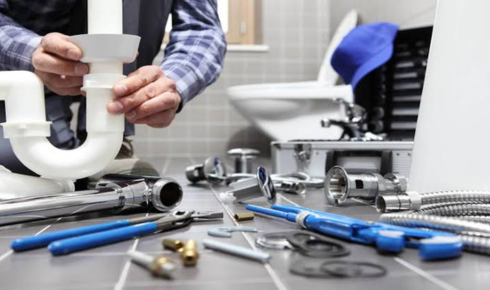
2. Tools Every Homeowner Should Have
Having the right tools makes DIY plumbing fixes much easier and safer to attempt.
- A good plunger for both sinks and toilets
- An adjustable wrench for tightening or loosening fittings
- Plumber’s tape for sealing pipe threads
- A drain snake for clearing minor clogs
Investing in these basic tools means you’ll be prepared to handle small plumbing issues as soon as they arise, without waiting for a professional visit.
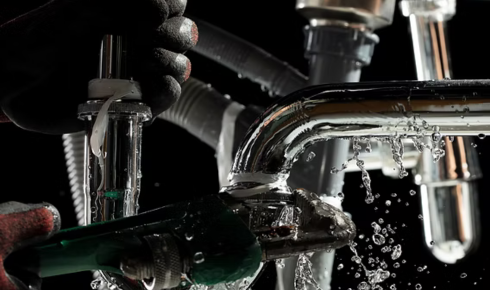
3. Fixing a Dripping Faucet
A dripping faucet is one of the most common and beginner-friendly DIY plumbing fixes.
- Turn off the water supply to the faucet
- Remove the handle and unscrew the valve stem
- Replace the worn washer or O-ring
- Reassemble and test for leaks
This simple fix not only stops annoying dripping sounds but also helps conserve water and reduce your utility bill over time.
4. Unclogging Drains Safely
Clogged drains are extremely common, and many can be fixed without professional help.
- Use a plunger for sinks, tubs, and toilets first
- Try a mixture of baking soda and vinegar for minor clogs
- Use a drain snake for clogs that plungers can’t clear
Avoid using harsh chemical drain cleaners too frequently, as they can damage pipes over time. If clogs persist despite these methods, it may indicate a deeper blockage that needs professional attention (see our guide on signs you need to call a plumber immediately — internal link opportunity).
5. When DIY Plumbing Fixes Become Risky
Some plumbing issues may seem manageable but can quickly become dangerous or costly if handled incorrectly.
- Attempting to fix gas line connections without proper training
- Working on main water line issues without proper shut-off knowledge
- Ignoring water pressure warnings while attempting pipe repairs
If a task involves your home’s main water supply or gas connections, it’s safer to call a professional rather than risk further damage or safety hazards.
6. Signs a Plumbing Issue Needs Professional Help
Certain warning signs indicate that a plumbing problem is beyond typical DIY plumbing fixes.
- Persistent leaks that return even after repair attempts
- Multiple drains clogging at the same time
- Low water pressure throughout the entire house
- Visible water damage or mold growth near pipes
These signs often point to larger system issues that require specialized tools and expertise to diagnose and fix properly.
7. Cost Comparison: DIY vs Professional Repairs
Understanding the cost difference helps you decide when DIY makes sense versus hiring a professional.
- Minor DIY fixes typically cost only the price of small tools or replacement parts
- Professional plumbers charge based on the complexity and time required for the job
- Attempting complex repairs yourself and getting it wrong can lead to higher costs from water damage or repeated fixes
While DIY fixes save money upfront, incorrect repairs can sometimes lead to expenses far higher than a professional’s initial service charge.
8. Preventive Maintenance to Reduce Plumbing Issues
Regular maintenance helps prevent many plumbing problems before they require any fix at all, DIY or professional.
- Avoid flushing non-flushable items down toilets
- Use drain guards to catch hair and debris before it causes clogs
- Periodically check under sinks for early signs of leaks
- Schedule an annual plumbing inspection for peace of mind
Staying proactive with maintenance reduces how often you’ll need either DIY plumbing fixes or professional intervention in the first place.
Frequently Asked Questions
1. What plumbing issues are safe to fix myself? Minor issues like dripping faucets, running toilets, and simple drain clogs are generally safe for most homeowners to fix themselves.
2. When should I avoid attempting a DIY plumbing fix? Avoid DIY attempts for gas line issues, main water line problems, or any repair involving significant structural or electrical components.
3. Can DIY plumbing fixes save money in the long run? Yes, for minor repairs, DIY fixes can save money, but incorrect attempts on complex issues can lead to higher costs from water damage.
4. What tools do I need for basic DIY plumbing repairs? A plunger, adjustable wrench, plumber’s tape, and a drain snake cover most basic DIY plumbing needs.
5. How do I know if a clog requires professional help? If a clog persists despite plunging or using a drain snake, or if multiple drains are affected at once, it’s time to call a professional.
6. Is it worth learning basic plumbing skills as a homeowner? Yes, learning basic DIY plumbing fixes can save time and money for minor issues, while knowing your limits helps avoid costly mistakes.
Conclusion
Knowing the difference between simple DIY plumbing fixes and issues that need a professional can save you time, money, and unnecessary stress. Minor tasks like fixing a dripping faucet or unclogging a drain are manageable for most homeowners, but persistent leaks, low water pressure, or main line issues are best left to licensed plumbers. Use this guide to confidently handle small repairs yourself, and know exactly when it’s time to call in an expert.
Suggested Image Alt Text:
- “Homeowner fixing a dripping faucet with basic tools”
- “Using a plunger to unclog a bathroom sink drain”
- “Professional plumber inspecting pipes under a kitchen sink”