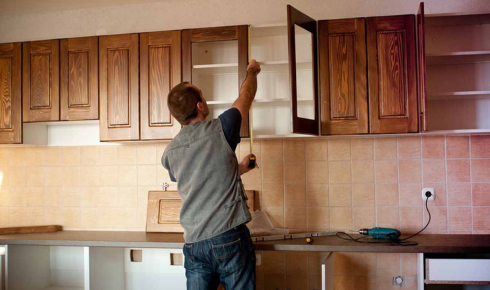
Home Improvement Mistakes That Cost You Thousands
Making home improvement mistakes is easier than you think, and they can cost you far more than the project itself. Many homeowners jump into renovations with excitement but end up overspending, hiring the wrong people, or making choices they regret later. Whether you’re planning a small upgrade or a full remodel, knowing what to avoid can save you thousands of rupees and a lot of stress. Let’s break down the most common mistakes and how to steer clear of them.
1. Skipping the Planning Stage
One of the biggest home improvement mistakes homeowners make is starting a project without a clear plan.
- No fixed budget leads to overspending mid-project
- Lack of a timeline causes delays and rushed decisions
- Unclear priorities mean money gets spent on the wrong things first
Before picking up a hammer, sit down and outline exactly what needs to be done, in what order, and how much you’re willing to spend. A written plan keeps contractors accountable and keeps your budget in check. Projects without planning almost always run over cost — sometimes by a significant margin.
2. Choosing the Cheapest Contractor
It’s tempting to go with the lowest quote, but this is one of the most costly home renovation mistakes you can make.
- Low quotes often mean lower-quality materials
- Inexperienced contractors may miss important structural details
- Redoing poor work ends up costing more than hiring right the first time
Instead of choosing based on price alone, check reviews, ask for past project photos, and get at least three quotes before deciding. A slightly higher upfront cost from a reliable contractor almost always saves money in the long run.
3. Ignoring Permits and Approvals
Skipping necessary permits is a mistake that can come back to haunt you, especially with structural or electrical work.
- Unapproved work can create issues when selling the property
- You may be fined or asked to redo work to meet code
- Insurance claims can be denied for unpermitted renovations
Always check with your local municipal authority before starting major work like adding a room, changing electrical wiring, or altering plumbing lines. This step is often overlooked but is critical to avoiding future renovation cost mistakes.
4. Underestimating the Budget
Many people budget only for materials and labor, forgetting the extra costs that always show up.
- Unexpected structural repairs (common in older homes)
- Price fluctuations in materials like cement, tiles, or wood
- Additional finishing costs (hardware, paint touch-ups, cleanup)
A smart rule is to keep 15-20% of your total budget as a buffer for surprises. Not doing this is one of the most common home improvement budgeting mistakes, and it’s why so many projects run out of money halfway through.
5. DIY-ing Jobs That Need Professionals
DIY projects can save money, but doing electrical, plumbing, or structural work yourself without proper knowledge is risky.
- Faulty wiring can lead to fire hazards
- Incorrect plumbing can cause leaks and water damage
- Structural mistakes may compromise the safety of your home
Know your limits. Painting, minor decor, and small fixes are great DIY projects, but leave electrical and plumbing work to licensed professionals (check our guide on DIY plumbing fixes vs hiring a professional for more clarity — internal link opportunity).
6. Over-Personalizing for Resale Value
If you’re planning to sell your home eventually, overly personal design choices can hurt you.
- Bold paint colors or unusual layouts may turn off buyers
- Expensive custom features don’t always add resale value
- Highly specific renovations (like a home theater) may not appeal to everyone
Keep resale in mind, especially for kitchens and bathrooms, since these areas influence buyer decisions the most (see our guide on increasing home resale value before selling — internal link opportunity).
7. Poor Material Choices
Choosing materials based on looks alone, without considering durability, is a costly home improvement mistake.
- Cheap flooring may wear out within a year or two
- Low-quality paint fades or peels quickly, especially in humid climates
- Poor-quality fixtures rust or break sooner than expected
Always balance aesthetics with durability. Spending a little more on quality materials upfront often means fewer repairs and replacements later.
8. Not Getting Everything in Writing
Verbal agreements with contractors often lead to disputes over cost, timeline, or scope of work.
- Always get a written contract with cost breakdown
- Include timelines and payment milestones
- Document any changes to the original plan in writing
This simple step protects you from unexpected charges and miscommunication, which is one of the most avoidable home renovation mistakes homeowners make.
Frequently Asked Questions
1. What are the most common home improvement mistakes? Skipping proper planning, choosing the cheapest contractor, ignoring permits, and underestimating the budget are among the most common mistakes.
2. How can I avoid overspending on home improvement projects? Set a clear budget with a 15-20% buffer for unexpected costs, get multiple quotes, and avoid making decisions without a written plan.
3. Is it a mistake to DIY home renovations? Not always — simple tasks like painting are fine for DIY, but electrical, plumbing, and structural work should be left to licensed professionals.
4. Do home improvement mistakes affect resale value? Yes. Overly personalized designs, poor material choices, and unpermitted work can all lower your home’s resale value.
5. Why is planning important before starting a renovation? Planning helps you set realistic budgets, timelines, and priorities, reducing the risk of costly changes mid-project.
6. How do I choose the right contractor to avoid mistakes? Check reviews, ask for references, compare at least three quotes, and avoid choosing solely based on the lowest price.
Conclusion
Avoiding common home improvement mistakes comes down to careful planning, hiring the right people, and budgeting realistically for the unexpected. From skipping permits to choosing the cheapest contractor, these errors can cost you thousands if left unchecked. Before you start your next project, take time to plan properly, get everything in writing, and prioritize quality over shortcuts. A little extra caution now can save you a lot of money and stress later.
Suggested Image Alt Text:
- “Homeowner reviewing renovation budget and contractor quotes”
- “Poorly installed flooring showing common home improvement mistake”
- “Contractor and homeowner signing a written renovation agreement”