
How to Choose the Right Paint Color for Every Room
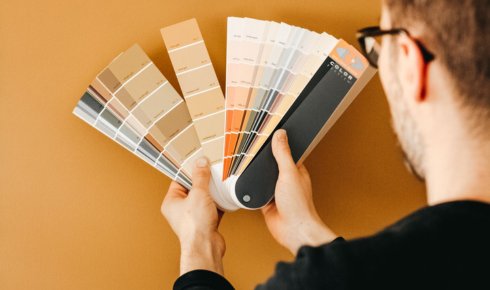
Learning how to choose paint color correctly can completely transform the feel of your home, but it’s a decision many people find surprisingly tricky. With endless shades, finishes, and lighting variables to consider, it’s easy to feel overwhelmed standing in front of a paint color chart. The good news is that with a few practical guidelines, you can confidently choose colors that suit each room’s purpose, lighting, and overall mood. Here’s a room-by-room approach to help you make the right choice every time.
1. Understand the Basics of Color Psychology
Before diving into specific rooms, it helps to understand how color affects mood and perception.
- Warm colors like reds, oranges, and yellows create energy and coziness
- Cool colors like blues and greens promote calmness and relaxation
- Neutral tones like beige, grey, and white offer versatility and timeless appeal
Understanding this foundation makes it easier to match colors to each room’s intended purpose and atmosphere.
2. Consider Natural and Artificial Lighting
Lighting significantly affects how paint colors appear throughout the day, making it a crucial factor in choosing the right paint color.
- Rooms with abundant natural light can handle darker or bolder shades
- Rooms with limited natural light benefit from lighter colors to avoid feeling closed in
- Always test paint samples at different times of day before committing
Artificial lighting, whether warm or cool-toned, can also shift how colors appear, so testing swatches under your home’s actual lighting conditions is essential.
3. Choosing Colors for Living Rooms
Living rooms often serve multiple purposes, from relaxing to entertaining guests.
- Warm neutrals like beige or soft taupe create an inviting atmosphere
- Soft blues or greens work well for a calming, sophisticated look
- Consider an accent wall if you want to add personality without overwhelming the space
Since living rooms are seen by guests frequently, many homeowners prefer versatile colors that pair well with various furniture and decor styles.
4. Choosing Colors for Bedrooms
Bedrooms should prioritize relaxation and comfort above all else when selecting paint colors.
- Soft blues and greens promote a calming, restful environment
- Muted lavender or soft grey can add subtle sophistication
- Avoid overly bright or bold colors that might feel too stimulating for a resting space
If you’re also updating your bedroom decor alongside painting, our guide on budget-friendly home decorating ideas offers useful tips for pairing colors with furnishings (internal link opportunity).
5. Choosing Colors for Kitchens
Kitchens benefit from colors that feel both energizing and easy to maintain visually.
- Warm whites and soft yellows create a bright, welcoming atmosphere
- Sage green or soft blue works well for a fresh, modern kitchen look
- Consider durability alongside color, since kitchens experience more wear and splashes
Since kitchens often connect to dining or living areas, choosing a color that complements adjacent rooms helps maintain visual flow throughout the home.
6. Choosing Colors for Bathrooms
Bathrooms are typically smaller spaces, which affects how bold or subtle your color choice should be.
- Light colors like soft blue or white make small bathrooms feel more spacious
- Consider moisture-resistant paint specifically formulated for bathrooms
- Darker accent walls can work well in larger bathrooms with good ventilation
- Match your color choice with existing tile or fixture colors for a cohesive look
If you’re planning a full bathroom update, check out our guide on small bathroom renovation ideas for additional design inspiration (internal link opportunity).
7. Choosing Colors for Home Offices
Home offices benefit from colors that support focus and productivity throughout the workday.
- Soft blues and greens help maintain calm concentration
- Muted greys offer a professional, distraction-free backdrop
- Avoid overly bright or saturated colors that might cause visual fatigue during long work hours
Since home offices are used for extended periods, choosing a color that supports sustained focus makes a meaningful difference in daily comfort.
8. Practical Tips for Testing and Choosing Paint Colors
A few practical steps can help you avoid costly mistakes when finalizing your paint choice.
- Always test sample patches on the actual wall, not just paint chips
- View samples at different times of day to see how lighting affects the shade
- Consider the room’s existing furniture, flooring, and decor when selecting a color
- Choose a slightly lighter or darker shade than you initially expect, since colors often appear more saturated once applied to full walls
Following these steps significantly reduces the chances of repainting due to an unexpected color outcome.
Frequently Asked Questions
1. How do I choose a paint color that works with existing furniture? Look at the dominant tones in your furniture and flooring, then choose a paint color that complements rather than clashes with those existing elements.
2. Should I choose the same paint color for my entire home? Not necessarily. Using a cohesive color palette with slight variations by room often works better than a single uniform color throughout.
3. What paint color makes a small room look bigger? Light, neutral colors like white, soft grey, or pale blue tend to make small rooms appear more spacious and open.
4. How important is lighting when choosing paint color? Very important. The same color can look completely different under natural versus artificial lighting, so always test samples under your room’s actual lighting conditions.
5. Should I test paint samples before committing to a full room? Yes, testing sample patches directly on your walls helps you see how the color actually looks in your space before committing to a full paint job.
6. What are the best paint colors for a calming bedroom? Soft blues, greens, and muted lavender tones are commonly recommended for creating a calm, restful bedroom environment.
Conclusion
Learning how to choose paint color for each room comes down to understanding lighting, room purpose, and personal style preferences. From calming bedroom tones to energizing kitchen colors, every space benefits from thoughtful color selection rather than guesswork. Take time to test samples, consider your room’s natural light, and think about how each color will complement your existing decor. With these practical tips, you can confidently choose paint colors that transform every room in your home.
Suggested Image Alt Text:
- “Paint color swatches being tested on a living room wall”
- “Calming blue bedroom with soft paint color scheme”
- “Bright kitchen painted in warm sage green tones”
